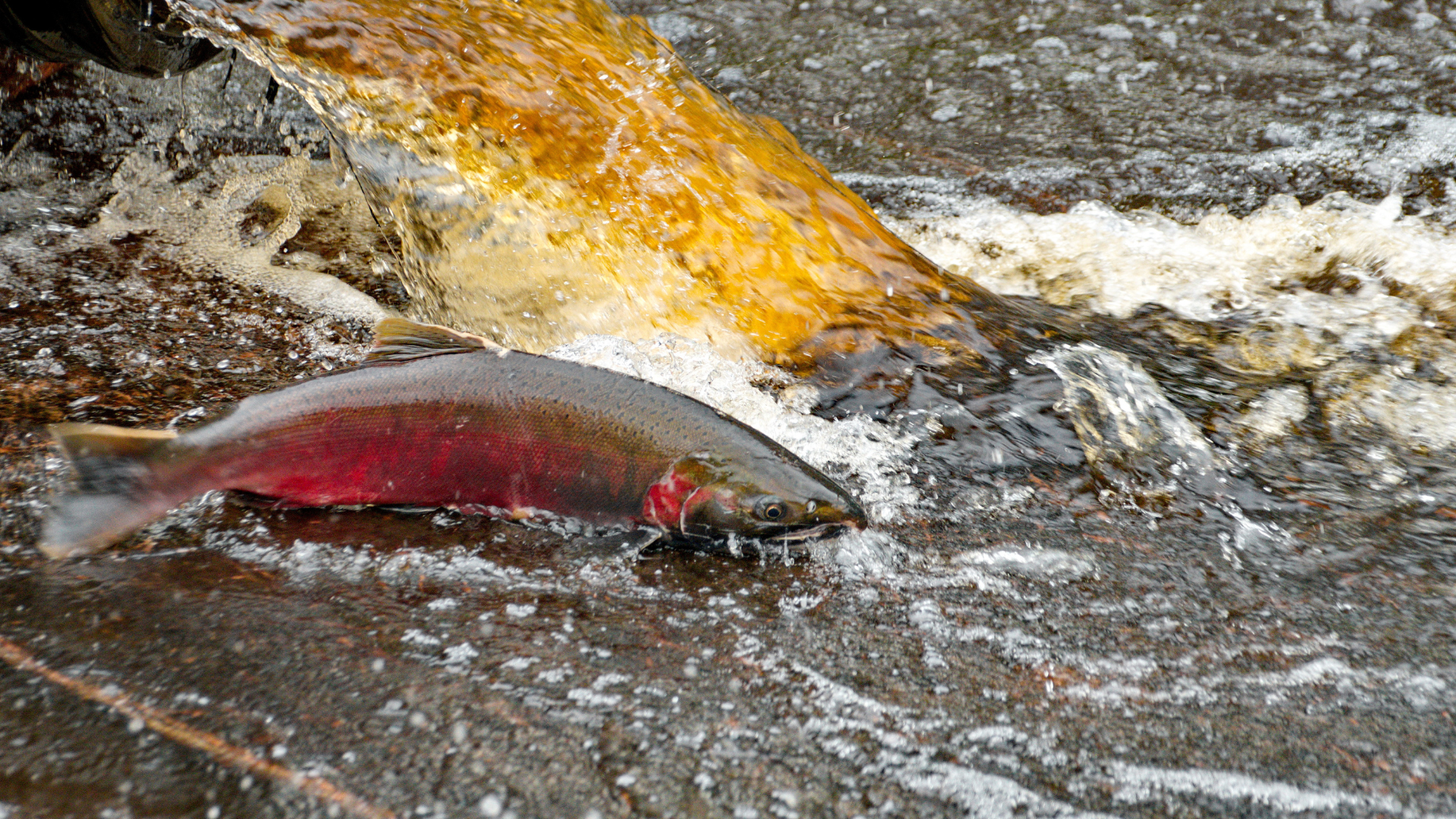
Today, tribes, agencies, and companies throughout the Pacific Northwest, including Kittelson, are working with ingenuity and resources—and hope—to set policy, seek funding, and deliver projects that improve salmon habitat and passage. Here’s how.
Think Like a Salmon: How Transportation Infrastructure Can Support Fish HabitatThink Like a Salmon: How Transportation Infrastructure Can Support Fish HabitatThink Like a Salmon: How Transportation Infrastructure Can Support Fish Habitat
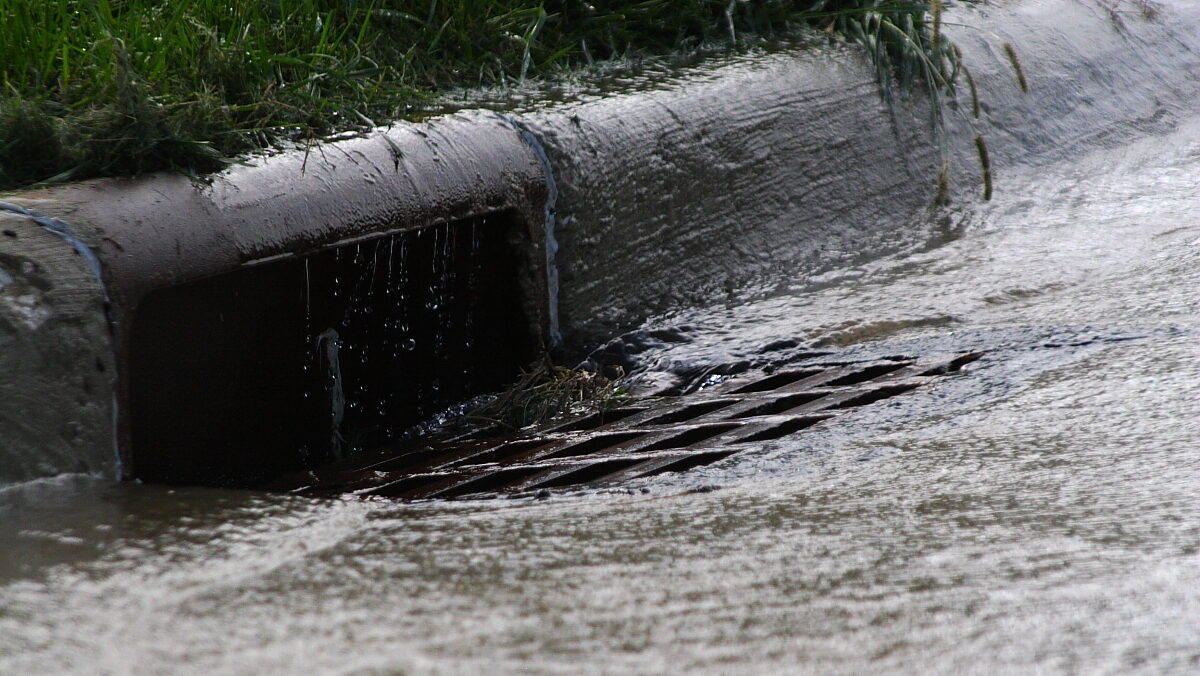
Communities are now experiencing intense downpours more often. Streets flood more often; storm drains overflow; and the infrastructure that was once enough is struggling to keep up. The question isn’t just how to respond to these changes, but how to intelligently and sustainably prepare for them.
How to Get All-Weather Protection for Communities and EcosystemsHow to Get All-Weather Protection for Communities and Ecosystems
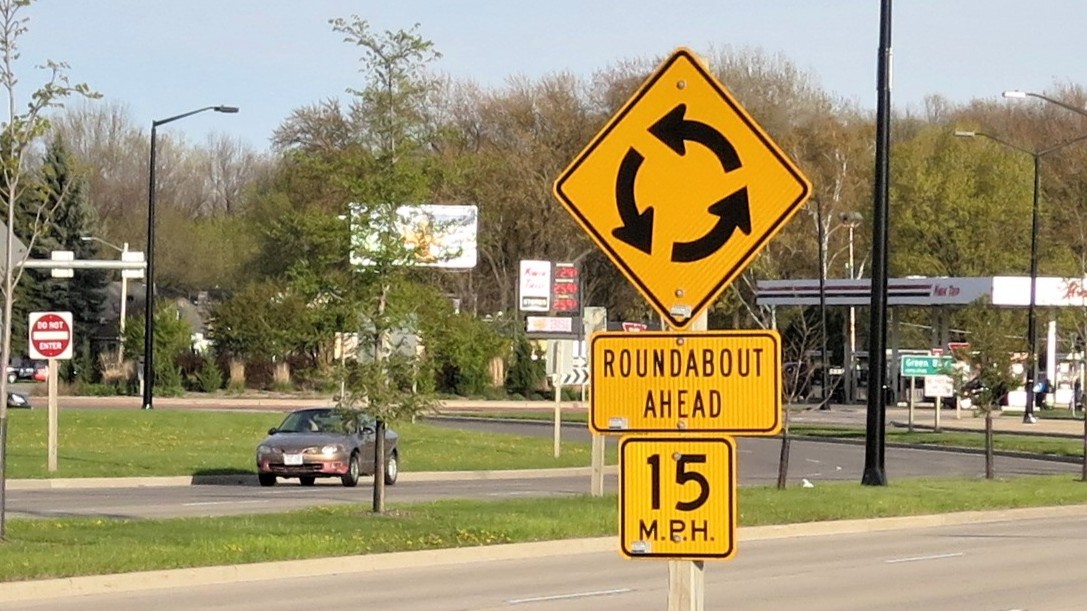
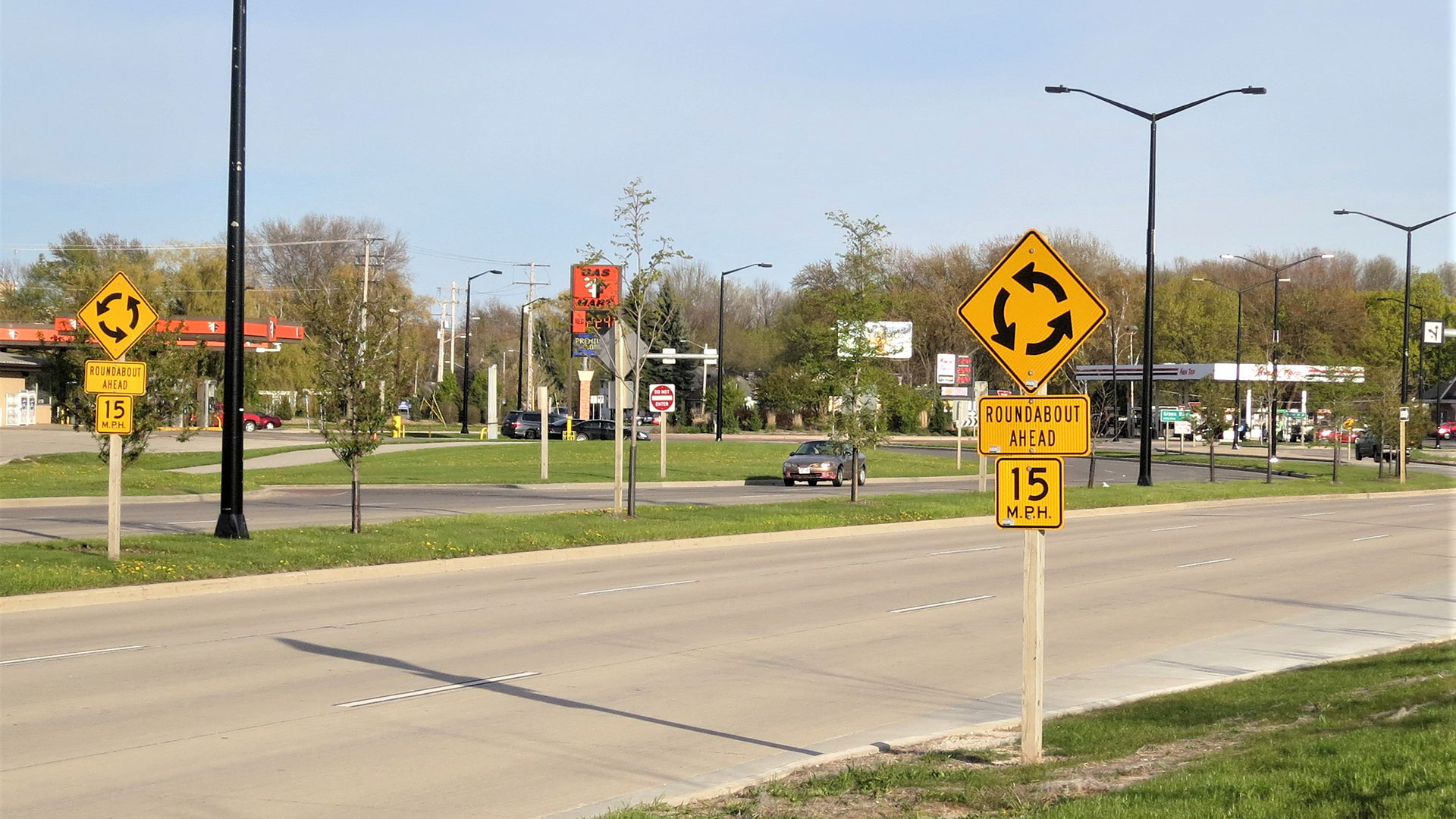
To celebrate Roundabouts Week, we’ve gathered recent projects, research, and stories that show the ways roundabouts are being applied in our communities.