
“People often think about roads, sidewalks, and intersections, but so much of good transportation design starts with understanding where the water goes.”
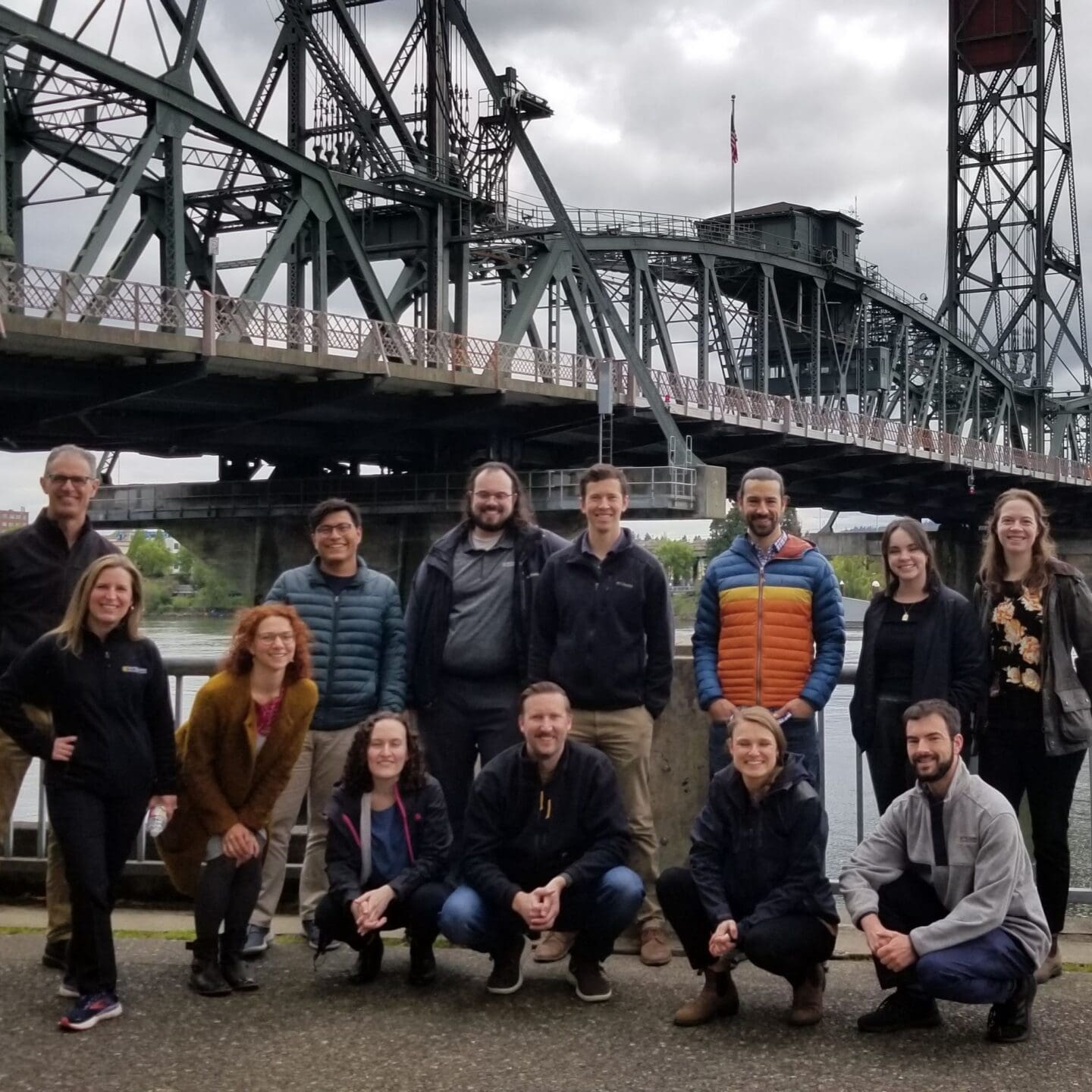
We’re an interconnected nationwide team, but we each have our own reasons for being passionate about the work we do. Get to know Daniel Child, a Senior Engineer in our Portland office.
What’s your background, and how did you end up at Kittelson?
I earned a bachelor’s degree in both civil engineering and forest engineering from Oregon State University. While the civil engineering degree gave me a strong technical foundation, the forest engineering program taught me many of the problem-solving skills I still use today. It emphasized thinking creatively, working through challenges without a clear set of instructions, and making the most of limited information and resources.
During college, I spent three summers interning in land development, where I was first introduced to stormwater management. The more experience I gained, the more interested I became in the field. After graduating, I worked on a variety of projects, including land development, storm and sewer rehabilitation, and public infrastructure improvements. Through that work, I built relationships with Tony Roos, Fred Wismer, Jamestaun Kraupp, and Cedomir Jesic who would later join Kittelson. When the opportunity to become Kittelson’s internal stormwater engineer came along in 2021, it felt like a natural next step.
What do you enjoy outside of work?
I spend a lot of time playing video games and tabletop role-playing games with friends. I enjoy everything from highly technical games that reward system mastery to more story-driven experiences where you’re simply creating a fun experience with others.
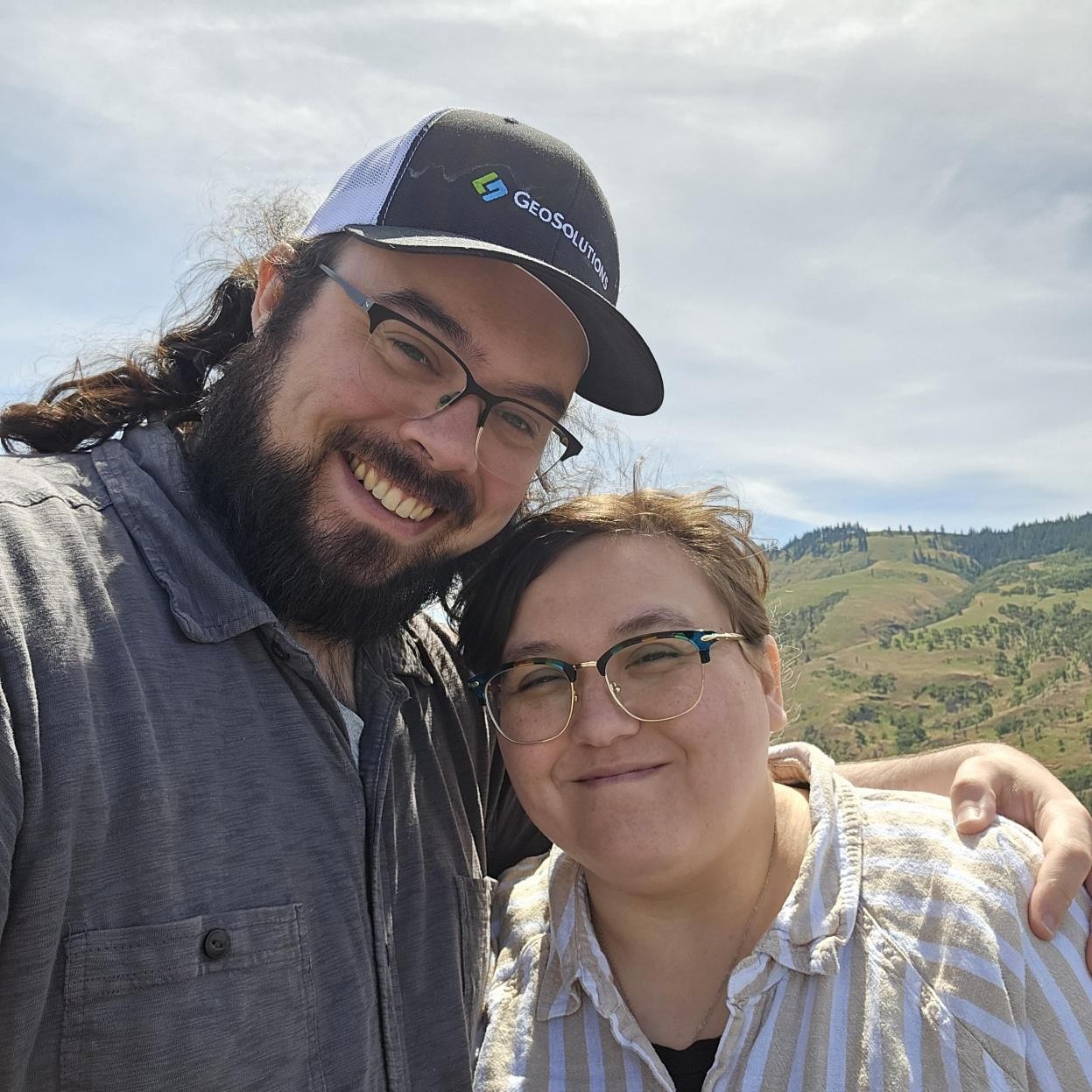
My wife and I also enjoy getting outdoors, whether that’s exploring a new area, going for a hike, or taking advantage of everything the Pacific Northwest has to offer.
Can you share a project where the stormwater solution changed the way people understood the larger transportation or community challenge?
One thing I enjoy about stormwater is helping people understand how much it influences transportation design. Something as simple as the cross slope of a sidewalk of the crown of a roadway ultimately comes back to managing water. Beyond protecting infrastructure, stormwater design also affects flooding, water quality, and habitat protection. On some projects, stormwater requirements become one of the largest challenges to solve. I’ve worked on projects where major design decisions, including property acquisition, were driven by the need to manage stormwater effectively and meet environmental requirements.
When things get busy, uncertain, or technically complex, what helps you stay grounded and effective?
I like to get information out of my head and into a format I can see and interact with. Whether that’s a checklist, flowchart, project outline, or reference sheet, having a visual system helps me organize priorities and focus on the details of the problem I’m trying to solve.
How do you stay connected and collaborate meaningfully and efficiently with team members across offices and time zones?
Regular check-ins are essential. Consistent meetings help teams stay aligned, catch issues early, and share updates that might otherwise be overlooked. If a project doesn’t already have a regular cadence for communications, I’m usually advocating for one because it makes collaboration much easier, especially across multiple offices and time zones.

What excites you the most about the future of stormwater design and transportation infrastructure?
Stormwater management requirements are becoming more sophisticated, which is driving innovation throughout the industry. Advances in technology and modeling tools allow us to better understand complex systems and evaluate solutions that weren’t practical as recently as a decade ago. It’s exciting to see how those tools are helping engineers create infrastructure that performs better for both communities and the environment.
Fast Lane Facts:
Most underrated stormwater feature?
The humble catch basin. It’s easy to overlook, but it’s critical to roadway safety and drainage.
Best fieldwork snack?
Clif bars.
Favorite rainy-day activity?
Watching where the water goes and spotting drainage issues in the real world.
A book, podcast, album, or show you’ve been into lately?
I’ve been revisiting everything from Stand Up by Jethro Tull to The Downward Spiral by Nine Inch Nails. I like keeping a diverse music rotation.
Hand calculations, spreadsheets, or modeling software?
Spreadsheets. I use a lot of VBA, so many of my spreadsheets function like modeling tools. If something becomes too complex, then it’s time to bring in dedicated modeling software.