
“Biking is transportation, recreation, and community all at once.”
We’re an interconnected nationwide team, but we each have our own reasons for being passionate about the work we do. This month, get to know Jackson Lynch, an Engineer in our Portland office.
What’s your background, and how did you end up at Kittelson?
I discovered transportation engineering during the summer after my freshman year of college. I came in as “engineering undeclared” with no real sense of what I was looking to do. So I joined what Northeastern University calls a “Dialogue of Civilization” where I spent 5 weeks in the Netherlands with fellow students studying bike, pedestrian, and transit infrastructure. It was the first time I really thought critically about the ways in which we choose to allocate the space of a roadway, and the ways in which those decisions impact people’s ability to get around safely and smoothly.
Next, I took this interest to work for the City of Portland, ME Department of Public Works where I spent that year designing the City’s first ever parking protected bike lane. That summer, I attended the Park Ave bike lane ribbon cutting and watched something I’d spent months tinkering with and laying our carry real riders down the street. I was officially hooked. For the rest of my time at Northeastern, I studied civil engineering, completed a co-op at another transportation engineering firm, and then interned with Kittelson in our Tucson office. Sadly, Covid cut that internship short and pushed it online, but I still found my way onto a MassDOT design project with Radu and Angela in the Boston office. I kept working part time while I finished school, then joined Kittelson’s Boston office full time after graduating.
What do you like to do outside of work?
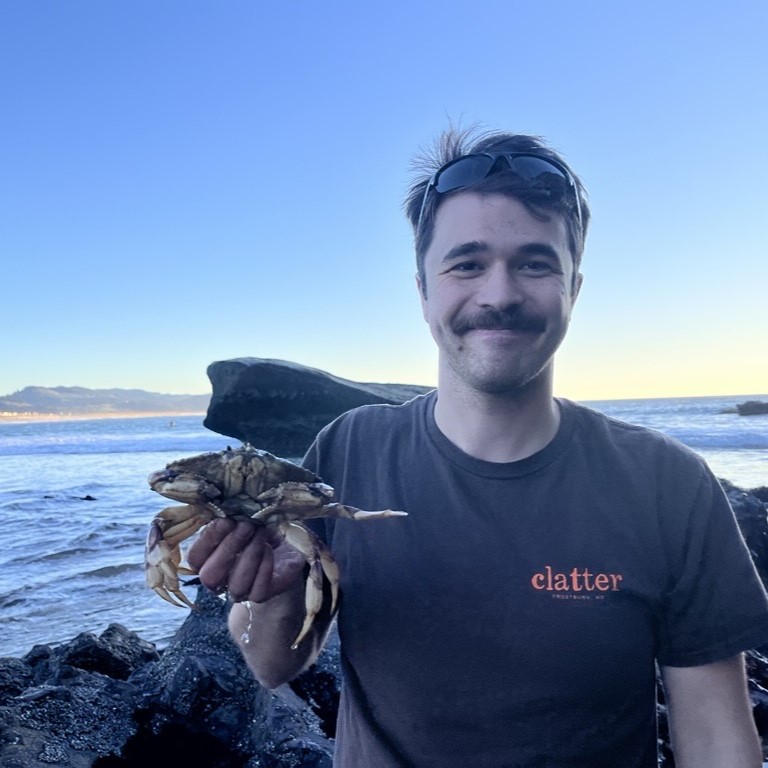
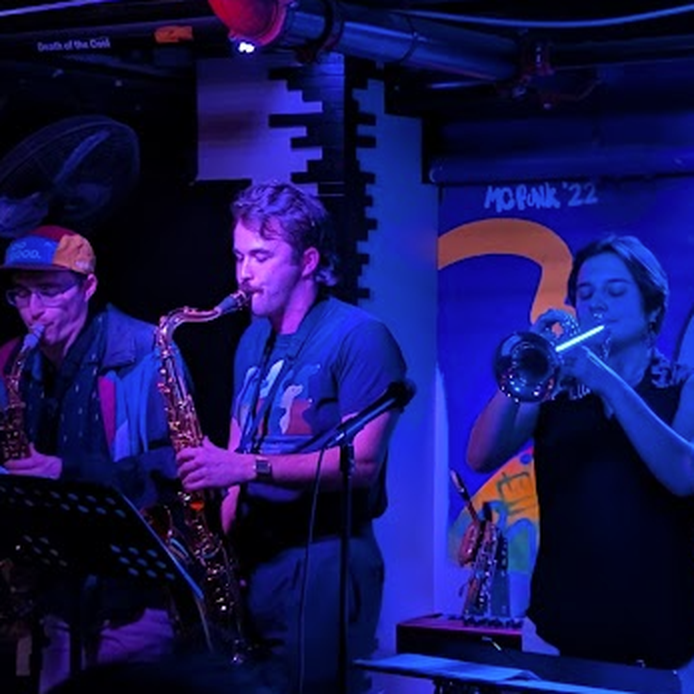
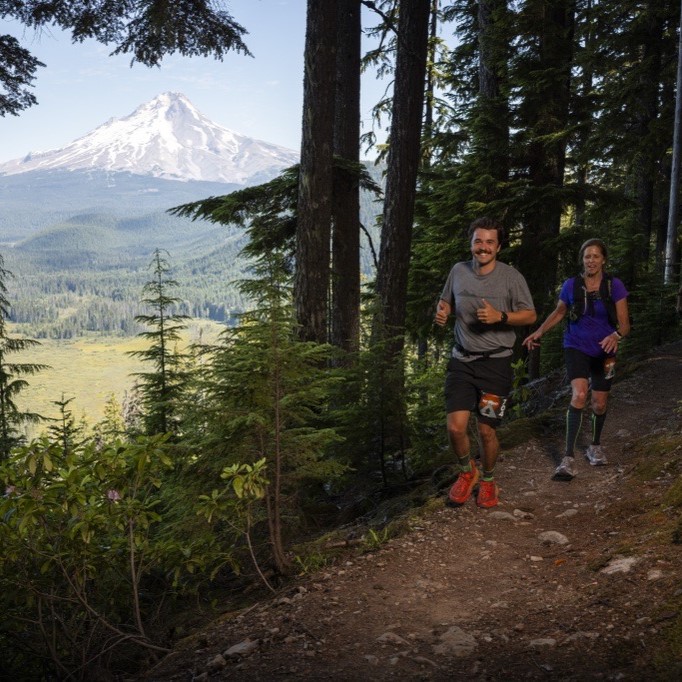
I’m up for just about anything! Around town, you can usually find me walking or biking, cooking, reading, hitting the gym, playing music, squeezing in a pickleball game, or spending time with friends and family. When I can, I head for the woods—backpacking, mountain biking, hiking, skiing, swimming, surfing (poorly), or saying yes to whatever someone wants to teach me next (most recently, fly fishing).
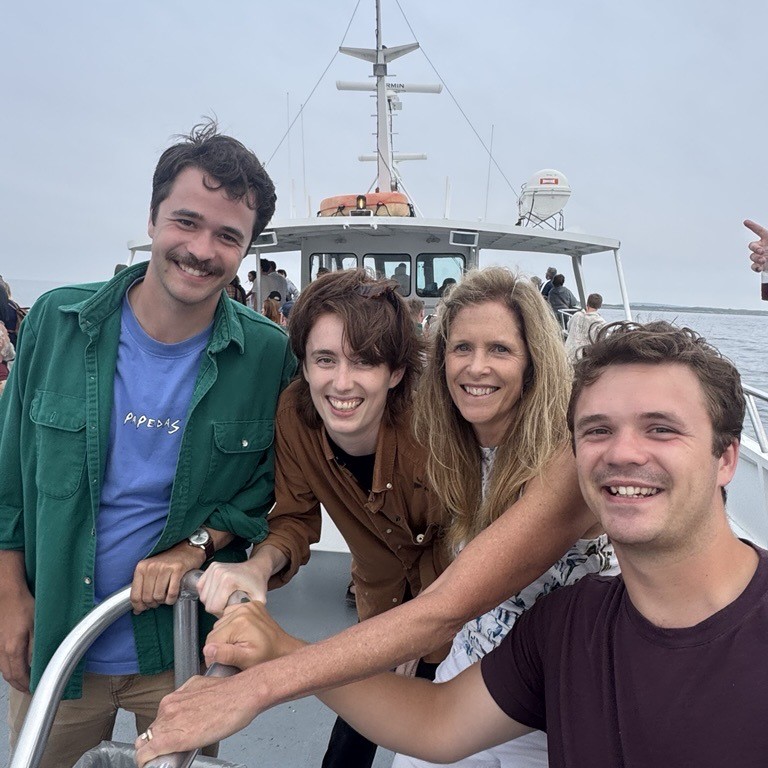
Tell us about your office exchange from Boston to Portland. What have you learned about work, life, and biking culture in your time on the other side of the country?
At this point, I’ve been “on loan” from the Boston office to the Portland office for a bit over a year. I jumped at the exchange for two reasons: personally, I wanted to live somewhere beyond New England; professionally, I wanted to learn from—and work alongside—the staff in our flagship (and largest) office. I’ve learned too much to list it all, but a few things have really stuck with me:
- Grids and redundancy make biking work. Portland’s neighborhood greenway system makes getting around by bike easy—and genuinely enjoyable. In Boston, it can feel like every mode has to fight for the same one main road (bikes, buses, cars, businesses).
- Every Kittelson office has its own personality, shaped by local history and the people who built it. At the same time, the same core values show up everywhere I’ve visited—and it’s been fun to see how each office puts them into practice.
- East Coast vs. West Coast culture: my take keeps evolving. The differences feel subtle, but real—and I’ll happily compare notes if you want to talk about it (without getting myself in trouble).
How do you stay connected and collaborate across offices and time zones in a way that feels real and meaningful?
This is a great question, and I’m still trying to figure that out. Working across offices and time zones doesn’t happen without a bit of extra effort. These days my project work is split between Northeast and Northwest work. If you try and overlap an eight-hour day and avoid both EST/EDT and PST lunch hours, you’re only left with about 3 hours of overlap in the middle of the day! I try to have semi-regular calls with teams I’m working with that I don’t see in person. Even if there aren’t many specific action items to discuss, I find that the second half of a Teams meeting can provide space for those informal conversations that you’d otherwise have at the coffee machine or at lunch. Making time for in person travel/interaction is key whenever possible. When working locally, I think the key is the same: communicating. This is harder across time zones, but there are some opportunities for efficiencies if you’re able to make it work, like handing off a report at the end of the day PST for someone to take a look at it first thing EST.
You’ve been a big part of our annual Bike & Activity Challenge the last few years. Why is biking and encouraging others to bike important to you?
Biking has been a large part of my life since early college. I use it as a key mode of transportation for utilitarian purposes like commuting or running errands, as well as recreational purposes like bike camping and gravel riding. Biking has also provided a good platform for building community, whether that means a ride in the woods with friends or borrowing a second bike so I can show visiting friends around the city.
I’ve helped with the Bike & Activity Challenge for about five years, and what keeps me coming back is simple: I love seeing someone choose a ride they wouldn’t have taken otherwise, dusting off a garage bike or hopping on bike share instead of taking the bus or driving. Sure, it’s fun to watch the usual suspects rack up miles (will someone hit 1,000 again?), but the one-ride breakthroughs are the ones that feel special.
What about the future of transportation excites you?
What excites me most about transportation is how directly it shapes everyday life. The way people get around influences everything from access to jobs and school to health, housing, and local businesses. I’m excited to watch cities and states keep evolving their systems as needs and culture change. More and more, people want the option to live without needing a car for every trip, whether that’s a reliable bus network, a comfortable bike route to work or school, or daily errands within a short walk. I love seeing communities respond by building connected networks that give people real choices. And even though a signal head or push button can feel like a small detail, those details add up. Getting them right helps make the whole system work better, and I’m excited to see where that momentum takes us over the next few decades.
Fast Lane Facts:
If you weren’t in the transportation engineering field, what would you be?
Both my parents are/were teachers, and I really enjoy helping people learn, so probably a teacher
Favorite thing to listen to while running, biking, or hiking?
Ideally, chatting with friends! Other than that, I usually go without any music
Guilty pleasure snack?
Ben and Jerry’s Half Baked
One piece of technology you can’t live without (besides your cell phone)?
Garmin watch… I’m a sucker for Strava kudos
Favorite way to unwind after work?
Going for a swim on my commute home (when weather allows)