
“Safe Routes to School is about more than getting kids to school. It’s about creating communities where families feel safe, connected, and empowered.”
We’re an interconnected nationwide team, but we each have our own reasons for being passionate about the work we do. This month, get to know Jessica Josselyn Burghdoff, a Principal Planner in our Deland office.
What’s your background and how did you end up at Kittelson?
I earned a degree in civil engineering from Rensselaer Polytechnic Institute in New York, where I first connected with Kittelson through roundabout research. At the time, I was focused on engineering and wasn’t very familiar with transportation planning. Once I joined Kittelson, I discovered planning and quickly fell in love with it. I was drawn to the opportunity to understand communities, dig into data, identify challenges, and help shape solutions from the very beginning of a project. That combination of problem-solving, collaboration, and community impact ultimately led me to build my career in transportation planning.
What do you like to do outside of work?
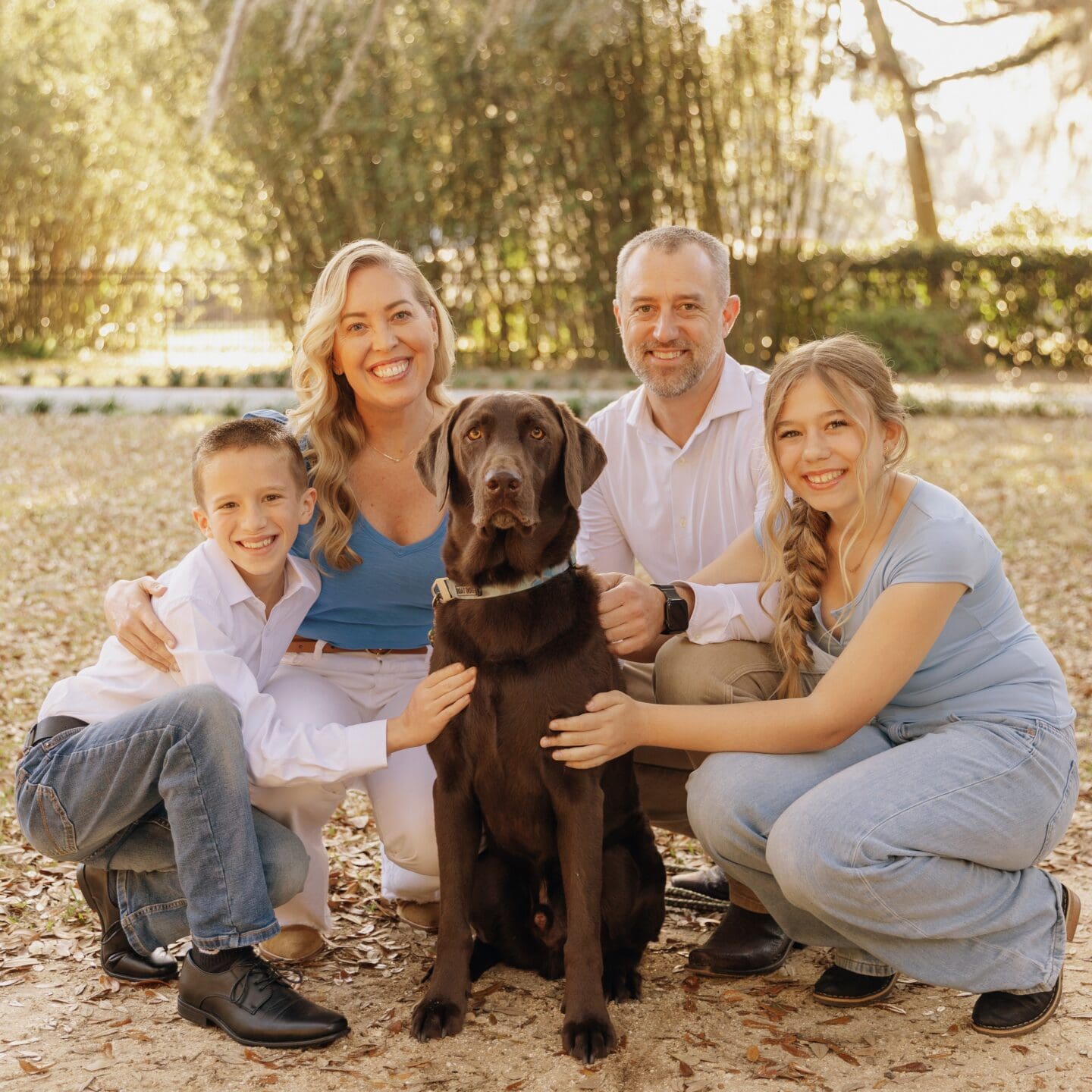
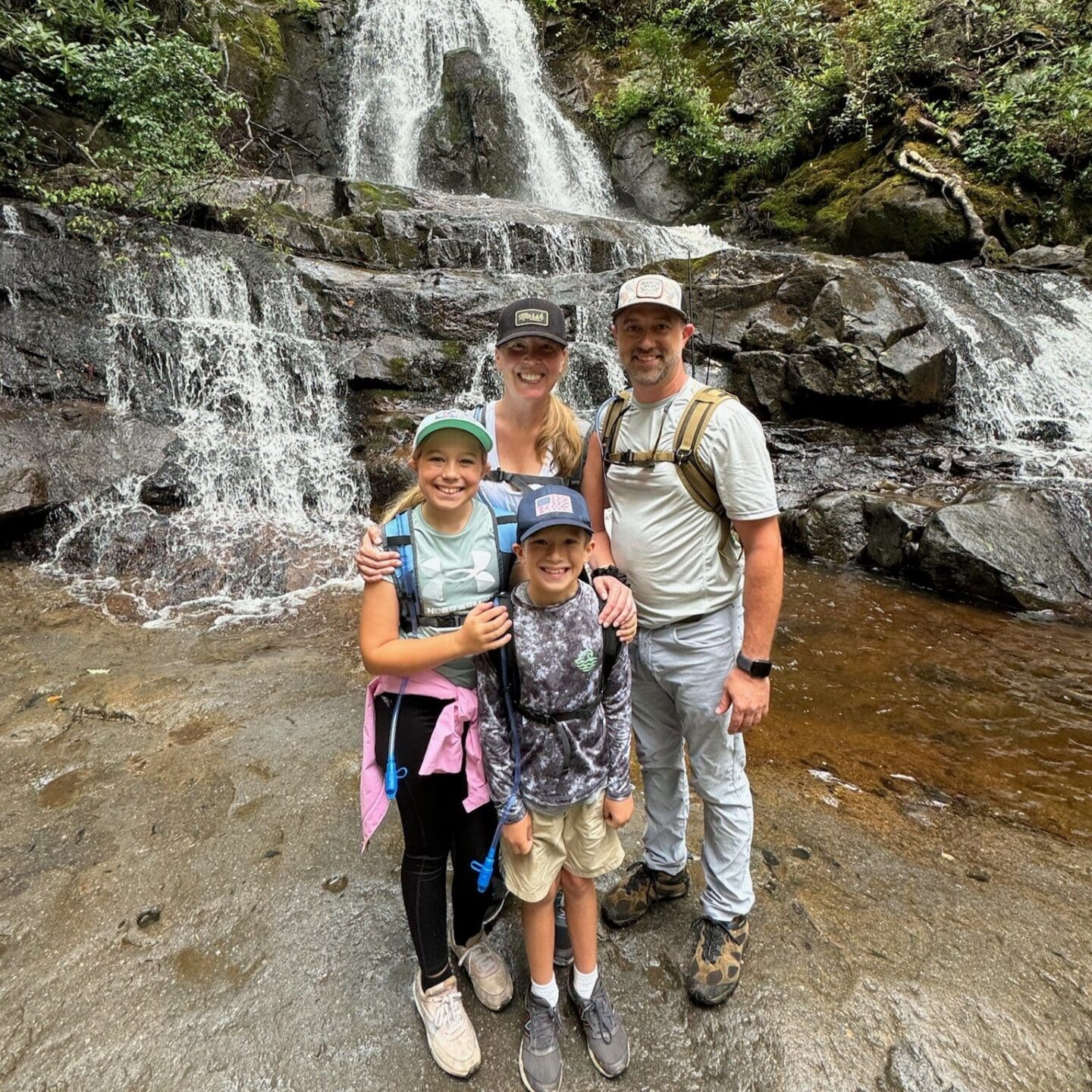
Outside of work, some of my favorite moments are spent with my family – especially when we can get out on the boat and enjoy the water. My faith and church community are also a big part of my life, and I have a special heart for children and families who need a little extra support. I’ve been fortunate to mentor and volunteer with children connected to the foster care system, which is something that’s become incredibly meaningful to me.
You started with a civil engineering background but found your way into transportation planning. What drew you to planning, and what has kept you in that space?
What drew me to planning was the opportunity to be involved at the very beginning of a project, when you’re exploring challenges, gathering information, and considering a range of possible solutions. I enjoy connecting with people and bringing different perspectives together, and planning give me the chance to do that every day.
What has kept me in this field is seeing how thoughtful, community-informed planning can shape decisions long after a project is complete. I love helping tell the story of why a solution was chosen, grounding recommendations in data and public input, and creating a clear path forward for implementation. Ultimately, it’s rewarding to know the work can improve people’s daily lives and create safer, more connected communities.
Whether you’re working with schools, local agencies, community groups, or transportation partners, your career has centered on bringing people together around shared goals. What common thread connects the work you’re most proud of?
The common thread is service. Whether I’m working with a client, partnering with a community, or supporting my team, the goal is always to help people solve problems and create positive outcomes. I’ve been fortunate to work on a wide variety of projects throughout my career, but the ones I’m most proud of are the ones that are grounded in community needs and lead to meaningful improvements for the people who use the transportation system every day.
What keeps me passionate about this work is bringing people together around a shared vision and helping turn complex challenges into practical solutions. At the end of a project, it’s rewarding to know that the recommendations are informed by data, shaped my community input, and ultimately designed to make life better for families and communities. Serving others and helping communities thrive is the thread that ties it all together.
How do Safe Routes to School projects help communities think differently about safety, access and everyday travel?
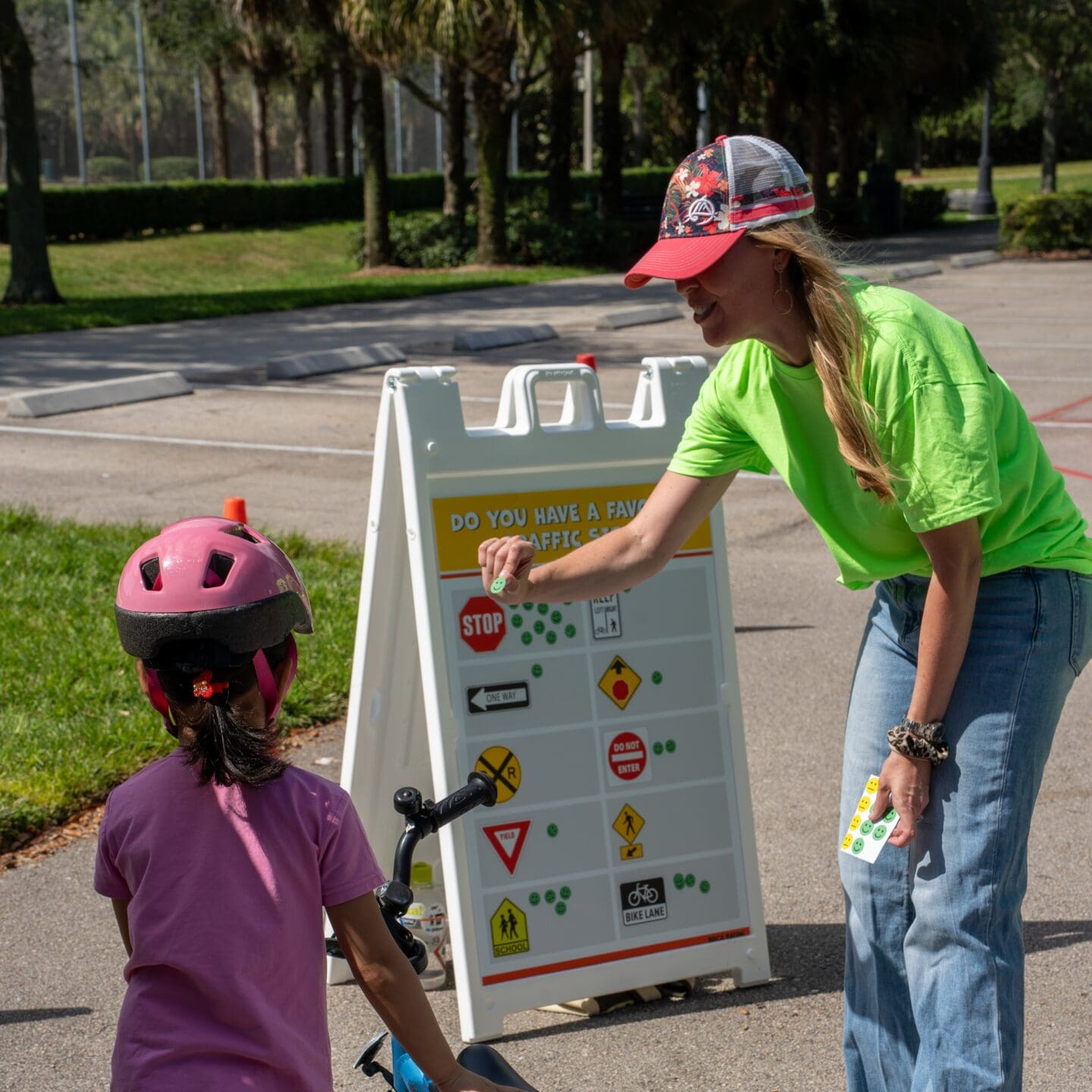
Safe Route to School projects start with a simple goal: helping families feel confident that children can travel to and from school safely. But their impact extends far beyond the school day. When communities create safe walking and biking routes, children gain independence, confidence, physical activity, and opportunities to connect with their peers. Families can spend less time sitting in drop-off lines, and communities benefit from reduced traffic, improved air quality, and healthier transportation options.
These projects also encourage people to rethink what everyday travel can look like. Instead of relying exclusively on driving, communities can create environments where walking, biking, and other active transportation choices are practical, comfortable, and safe for more people.

What’s one misconception people may have about Safe Routes to School?
One common misconception is that Safe Routes to School is only about managing school pick-up and drop-off traffic. In reality, these projects benefit entire communities. Schools serve as gathering places for sports, events, after-school activities, and other community functions, so safer routes support people throughout the day, not just during school arrival and dismissal times.
Another misconception is that Safe Routes to School is only about infrastructure. The most successful programs combine physical improvements with education, helping children understand how to safely navigate transportation systems and build lifelong travel skills. Infrastructure and education work hand in hand to create safer, more connected communities.
Fast Lane Facts:
Favorite way to get around, other than a car?
By boat!
Transportation planning hill you’ll die on?
Safety is #1 and should never be compromised.
Go-to piece of advice you give mentees?
ALWAYS believe in yourself. Everyone has a unique gift that only they can nurture and share.
Coffee or tea?
Coffee. No contest.
Favorite way to spend a day off?
With my family, on the boat!