
“The most meaningful and energizing part of my role is the feeling of creating something tangible that improves people’s daily lives.”
We’re an interconnected nationwide team, but we each have our own reasons for being passionate about the work we do. This month, get to know Joel Amarillas, senior engineer in our Phoenix office.
What’s your background and how did you end up at Kittelson?
I have a background in civil engineering and earned my undergraduate degree from the University of Arizona. I was introduced to Kittelson through Felipe Ladron de Guevara, who was my professor for geometric design. During my job search, I reached out to him, and he connected me with the Tucson office, where I got to know the leaders of the design practice at the time. That connection ultimately led me to join Kittelson.
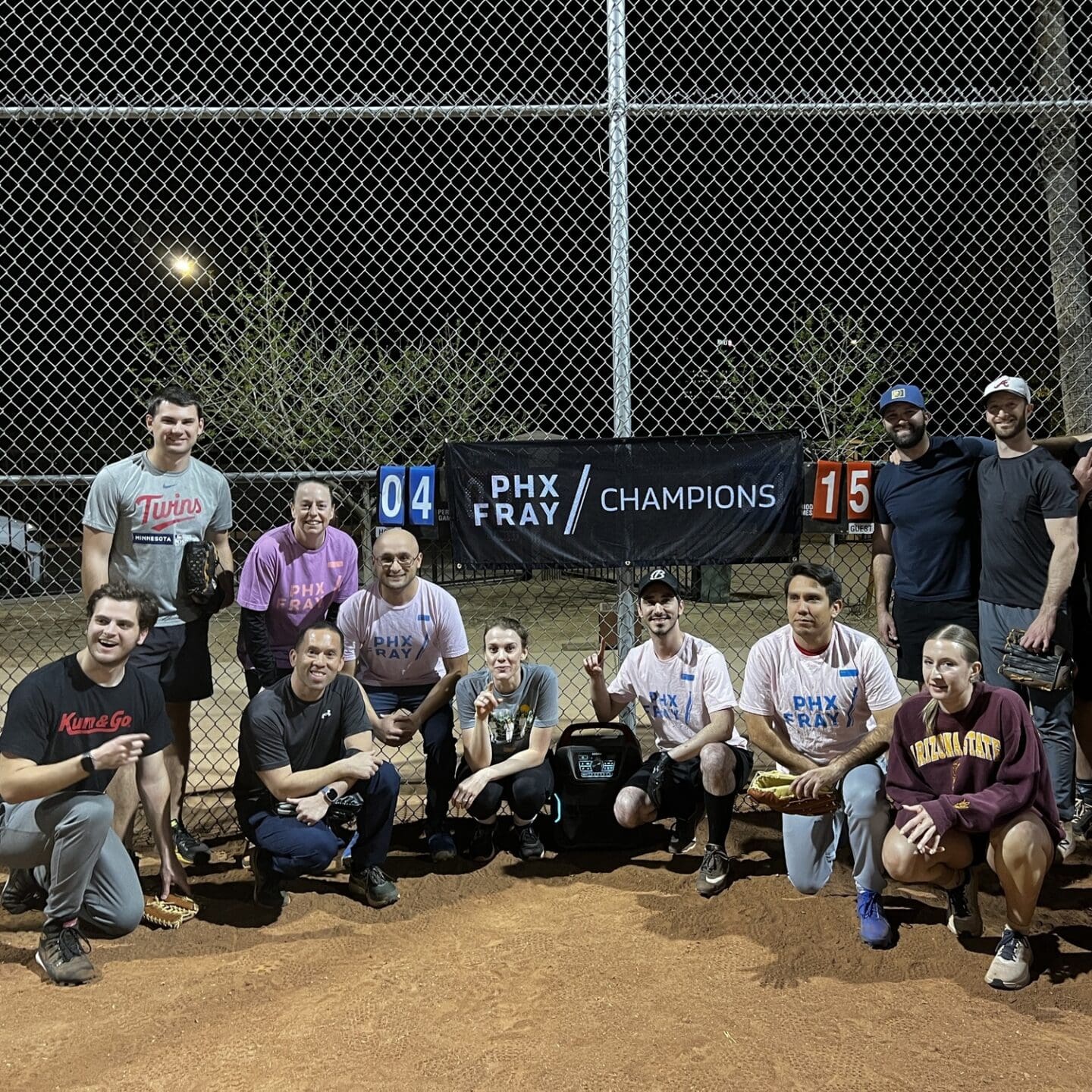
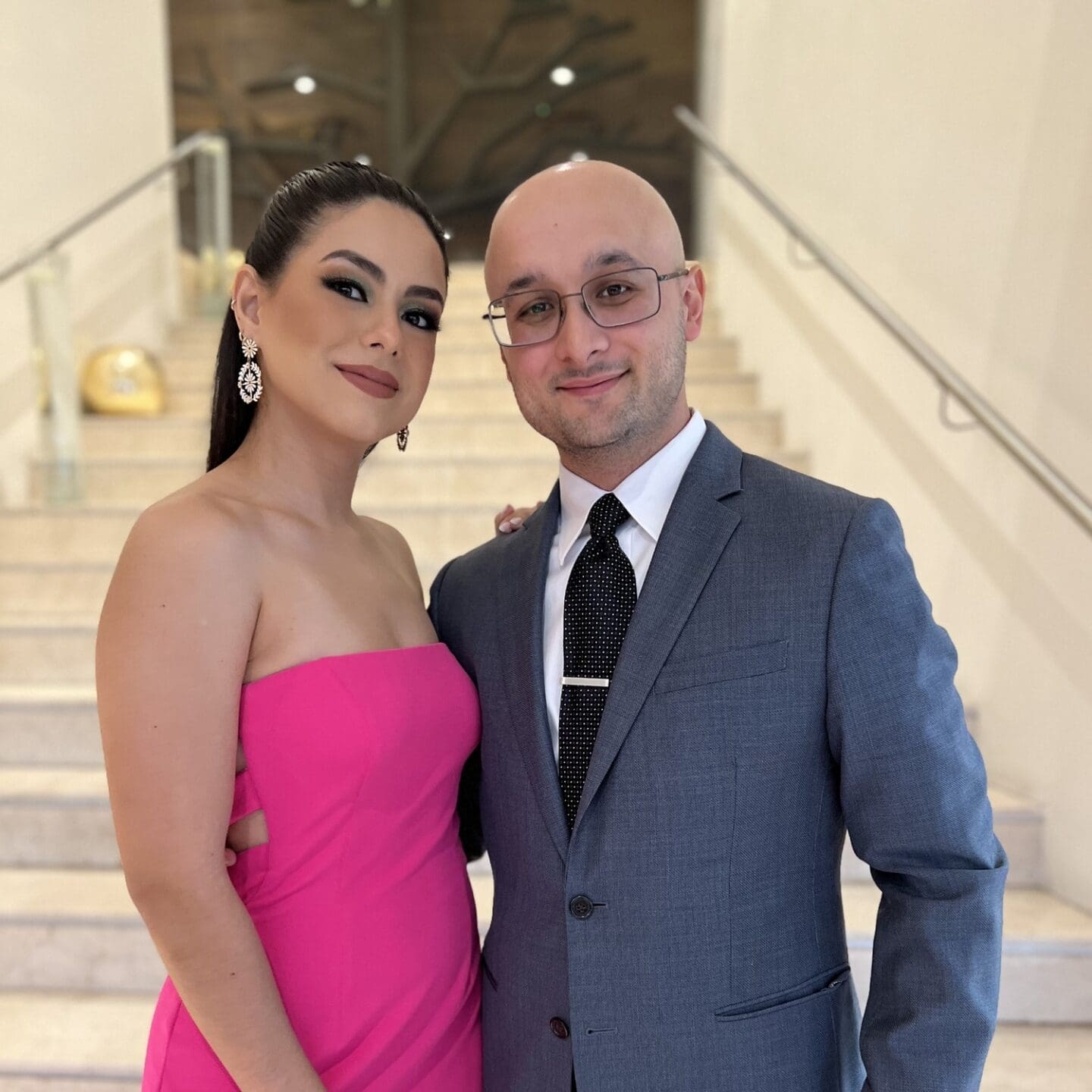
Outside of work, I really enjoy activities that involve being with other people. I play in a co-ed softball league and have been on the same team for over a year. I also play tennis recreationally and try to spend time outdoors whenever I can. My wife and I enjoy spending time at plant nurseries and working on our house, which we bought about a year ago. We also love cooking together — one tradition I keep up is making a breakfast sandwich recipe my dad has been making since I was a kid, which I occasionally make for my wife, friends, or family. Overall, I enjoy social and hands-on activities that allow me to connect with others.
What aspects of your work do you find most meaningful or energizing?
The most meaningful and energizing part of my role is the feeling of creating something tangible that improves people’s daily lives. That’s what drew me to roadway design. Watching a project progress from a concept into detailed vertical design and 3D models is incredibly rewarding. I love seeing all the pieces come together, from lighting and landscaping to drainage and major structures.
Even though projects can be challenging with community concerns and many stakeholders, the end result makes it worthwhile. I keep a folder of the projects I’ve worked on and rotate those images on my desktop as a reminder of the impact we’ve made. Sometimes I’ll even pull up Street View to compare before and after images, and seeing that transformation is truly energizing.
Are there other work or life experiences that have helped you to be successful?
Yes — several experiences have shaped my success. At the core, I’ve always had a drive to do my best in whatever I’m working on, and that mindset has pushed me to learn broadly and stay curious. Early in my career and through the past decade, I gravitated toward many areas beyond design, especially traffic operations. Projects like signal timing taught me how impactful our work can be. Seeing real-time improvements from one day to the next and hearing direct feedback from agencies made me appreciate the complexity and importance of what we do.
I also enjoy explaining engineering concepts to people who aren’t familiar with them. Helping others understand why a signal behaves a certain way, or how many variables go into operations, has helped me build confidence and communicate effectively in any setting.
A big influence has been my dad, who taught me to take pride in any job. Whether you’re a CEO or a janitor, do it at the highest level you can. That perspective has shaped how I approach my work, pushed me to contribute meaningfully in any conversation, and encouraged me to gain experience across many areas before narrowing my focus.
These experiences of staying curious, seeking variety, valuing impact, and taking pride in my work have all played a major role in my success.

What do you think is the most exciting development in the transportation industry right now?
For me, the most exciting development in the transportation industry is the advancement of 3D modeling and BIM for roadway design. Even though it’s not brand-new, the level of detail and visualization we can achieve now is transforming how we design and communicate projects.
On a past project in Tucson, we created a full 3D model of the roadway including all underground utilities like water, sewer, stormwater structures, and cross drains—and brought it into virtual reality for a public meeting. Instead of looking at flat plan sheets, people could stand “in” the intersection and see what the final design would actually look like. We could even drop below the surface to visualize utility conflicts at real scale, which is much harder to understand from traditional plans and profiles.
This level of modeling has become more common in vertical construction, but seeing it expand into roadway design is exciting, especially given the complexity and length of roadway corridors. The ability to model pavement layers, utilities, foundations, and everything else in one environment helps catch issues early and gives both designers and the public a much clearer understanding of the project. It’s a tool I really enjoy working with, and I think it’s changing the way we deliver transportation projects.
Fast Lane Facts:
What’s the most rewarding part of your work?
Seeing the impact of my projects on people and receiving feedback from communities and agencies about improvements is the most rewarding part.
Best career advice you’ve ever received?
The best career advice I’ve received is to trust myself more and stop relying so heavily on others for validation. Early on, I often looked to more experienced people to confirm that I was doing things correctly, but over time I’ve learned that part of growing is recognizing when you are the expert. As I reach ten years in my career, that advice has really resonated. I need to trust my knowledge, trust my judgment, and have confidence that I’m capable without always seeking approval from others.
Coffee or tea?
Coffee every day. I enjoy tea too, but more as a nighttime, caffeine-free drink to wind down. I’m not picky about coffee either; I’m happy with anything from Starbucks to small local shops.