
“Having the opportunity to connect research and practice—turning ideas into tools that deliver practical solutions—that’s what keeps me curious.”
We’re an interconnected nationwide team, but we each have our own reasons for being passionate about the work we do. This week, get to know Jonah Chiarenza, Associate Planner in our Boston office.
What’s your background and how did you end up at Kittelson?
I’ve always been interested in how we shape the built environment. I started out in architecture, but while working and teaching in Copenhagen, I became fascinated by the “space between buildings” and how thoughtful design can strengthen people’s connections to places and their communities. That led me to pursue a master’s in urban and environmental planning and eventually to work in urban design, transit-oriented development, and transportation planning.
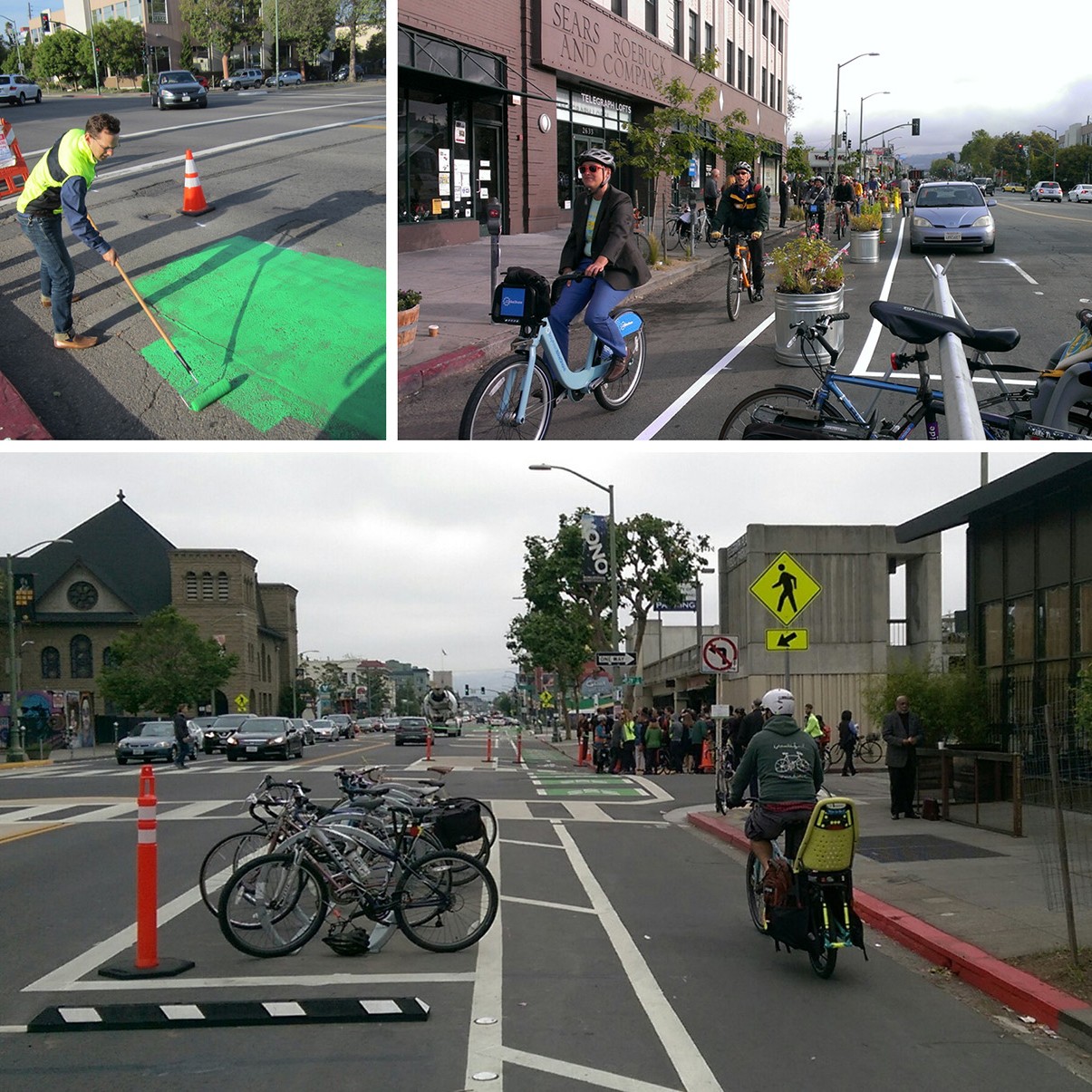
A turning point was leading a corridor plan for Telegraph Avenue in Oakland, which accelerated my career shift toward Complete Streets and active transportation and reinforced for me that streets can be more than roads for driving. From there, I managed the Vision Zero pedestrian safety program at the San Francisco MTA before spending nine years at the USDOT Volpe Center, where my work ranged from helping stand up grant programs like Safe Streets and Roads for All to leading research into the implications and application of AI on transportation planning and operations.
In 2025, conversations with colleagues I’d gotten to know over the years led me to Kittelson’s Technology, Research, and Software (TRS) group. I was drawn to the opportunity to connect research with real-world implementation and work alongside people who share a passion for creating transportation systems and places that make people’s lives better by giving them more options and opportunities for personal and professional growth.
What do you like to do outside of work?
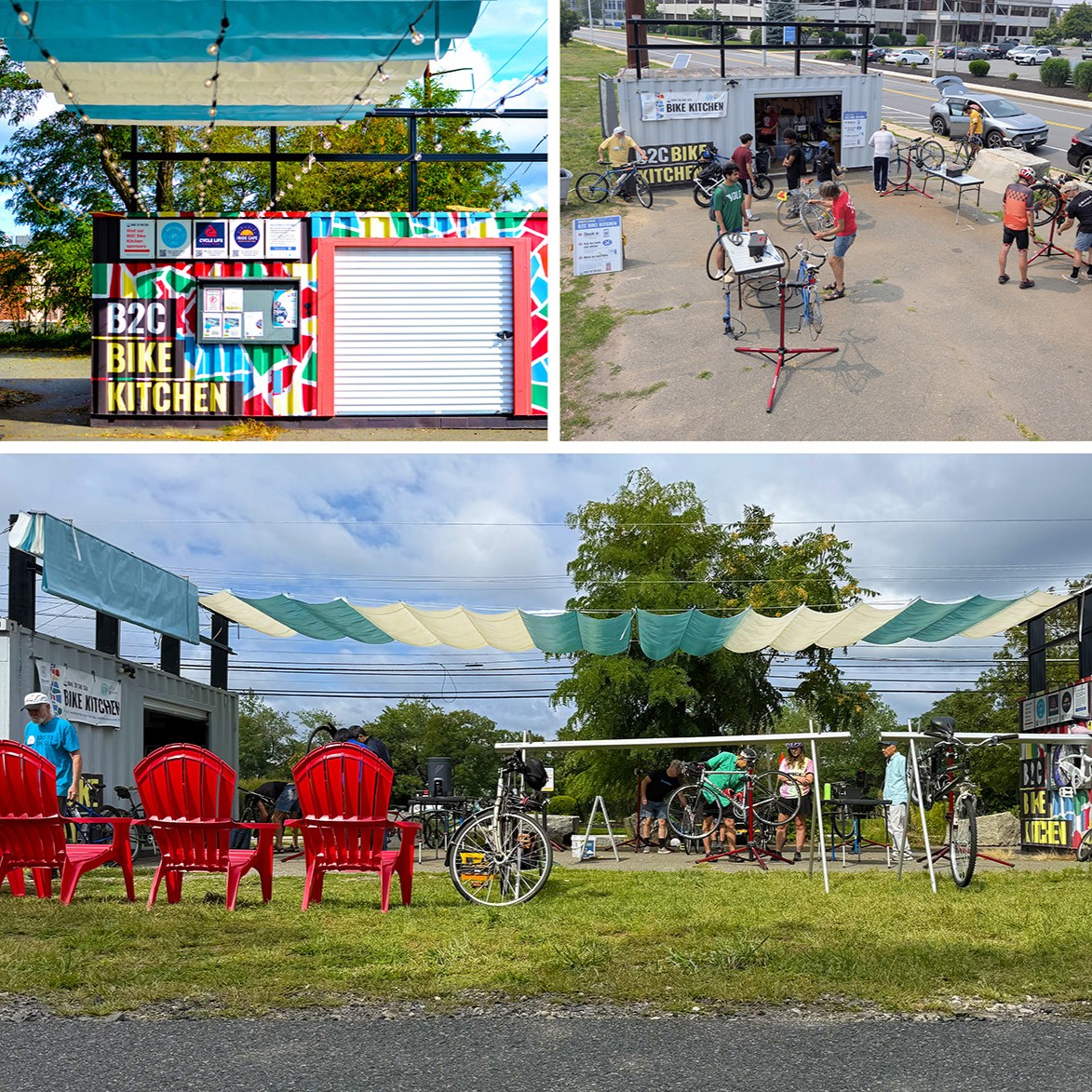
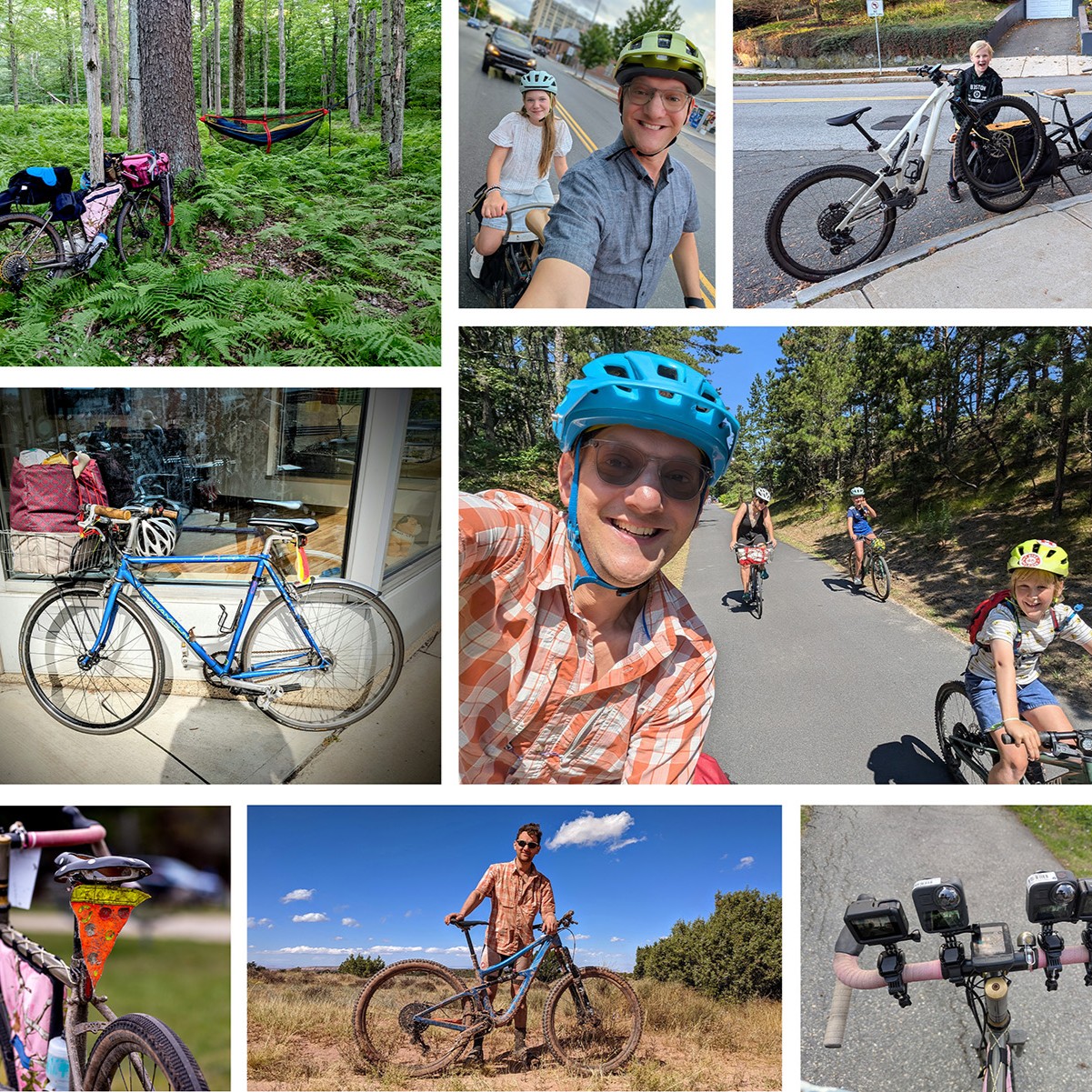
There’s a lot of soccer in my life right now, mostly cheering on my kids from the sidelines. When I have the time, I also love mountain biking, gravel biking, and making things. Most recently, that meant building a Wally the Green Monster Halloween costume with my son. I also serve as Executive Director of Bike to the Sea and have been building our Bike Kitchen as both a program and a physical community space along the Northern Strand Trail, which gives me another creative outlet that, unsurprisingly, still revolves around bikes.
With your background in active transportation safety, what do you think communities need to understand about e-bikes as they become a bigger part of the transportation mix?
I think the first thing communities need to understand is just how much opportunity e-bikes create. They can make biking a realistic option for people who haven’t biked for transportation before, and help existing riders travel farther, ride more frequently, and tackle hills or challenging weather. At the same time, we need to better understand the safety implications. One issue is that people have an ingrained sense of how fast a person on a bike should be moving, and e-bikes can be just fast enough to surprise someone who’s trying to judge whether they have time to cross a rider’s path. Another issue is confusion among consumers, police, and lawmakers about what’s actually an e-bike, and what’s a higher-speed “e-moto.” E-bikes typically have a maximum motor-assisted speed of 20 mph, while e-motos that might be marketed as “e-bikes” could reach speeds north of 50 mph, and many of them aren’t even street-legal.
There’s still a lot we don’t know, so I think it’s important to keep studying these interactions and supporting clear legislation at the state and local level, without overreacting in ways that could discourage the safe growth of e-bike use.
E-bikes can make longer trips, hills, and carrying kids or cargo more manageable. How should planners think about the ways e-bikes expand who can bike and where they can go?
I think e-bikes challenge some of the traditional ways we think about how far people can reasonably travel by bike. Planning has used an “as the crow flies” radius of three to five miles, but that doesn’t necessarily reflect the routes people actually take or whether those routes feel comfortable to ride. E-bikes can help overcome some of those barriers by making longer distances, hills, challenging weather, and even stretches of riding in mixed traffic more manageable. That opens more of the transportation network to more people and makes biking a much more viable option for all kinds of everyday trips, not just commuting. We know a majority of people’s vehicle trips are under five miles and e-bikes make replacing some of those trips even easier.
What kinds of infrastructure or design details help e-bike riders feel comfortable while also supporting people walking, driving, and using other modes?
Creating infrastructure that works well for e-bike riders really comes down to making it safer and more comfortable for everyone using the transportation system. E-bikes are part of a broader spectrum that includes conventional bikes and other forms of micromobility, so many of the same strategies apply, including traffic calming, safer intersection designs, and separating users in time and space where appropriate.
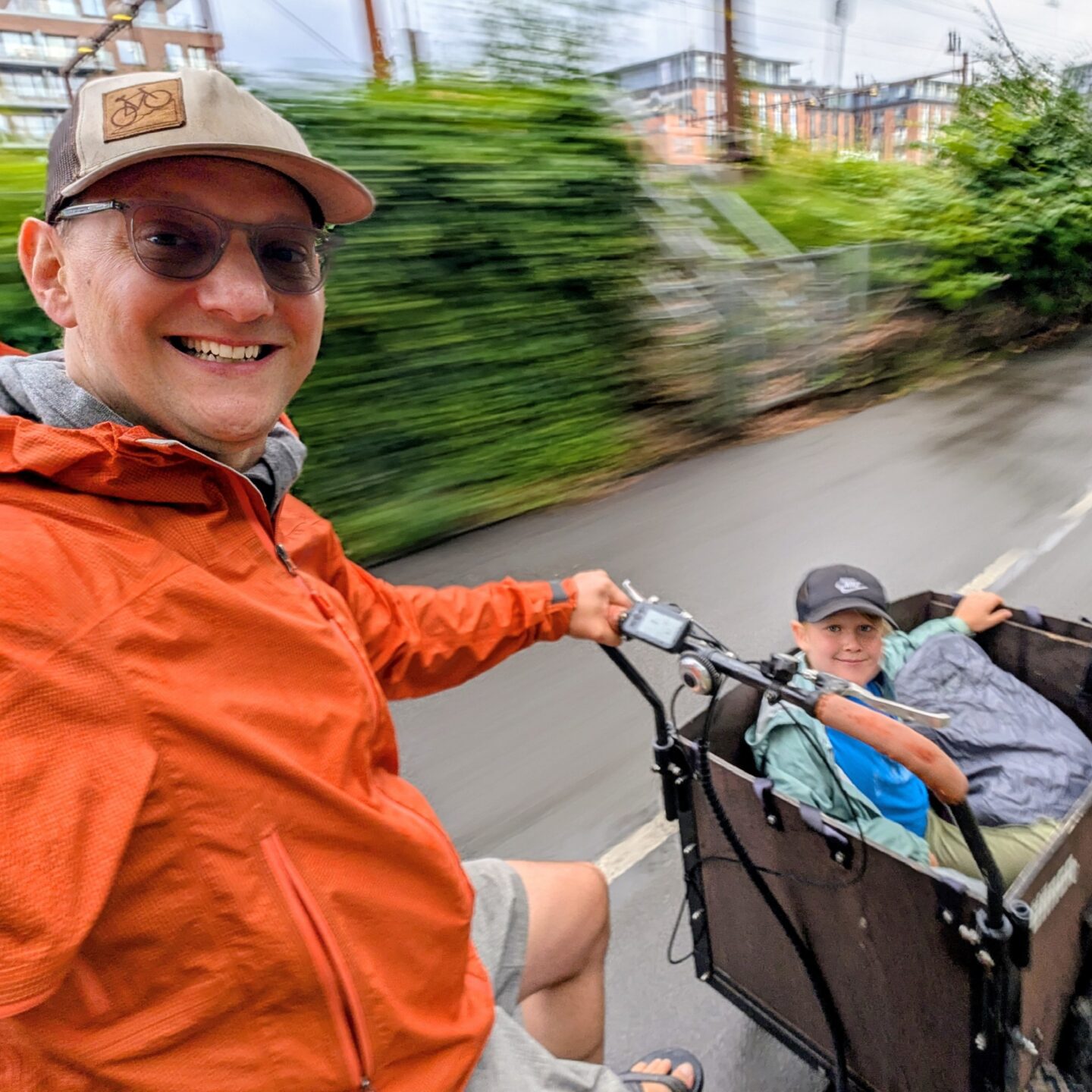
A key element of the Safe System approach is safe speeds—the human body can only survive so much trauma, and bringing vehicle speed down reduces the harm of crashes with people walking or riding exponentially and increases the time people have to react to avoid a crash in the first place. We also need to think about providing enough room in bike facilities for people traveling at different speeds to comfortably pass one another and for larger vehicles like cargo bikes, which are becoming more common with electric assistance. We know cargo bikes are important for families carting children around and people running errands.
Building that additional space and flexibility into our infrastructure can better accommodate the growing variety of ways and reasons for people to get around.
What are you excited to learn or try next, and what is driving that curiosity?
I’m excited about a lot of things, and honestly, the challenge is narrowing them down. What interests me most is using new data and technology to evaluate trade-offs in how we allocate roadway space among road users. Kittelson’s NCHRP Report 1036 is an amazing step in that direction. Our industry is very good at collecting and analyzing vehicle data to maximize vehicle speed and throughput.
We need a commensurate level of data and methods to make the case for projects that support more walking, biking, and transit use. We need to help people connect their project-level decisions back to their policy goals, and that means helping them measure anticipated benefits and negative externalities accurately and holistically. That’s one of the things that excites me about being at Kittelson and part of both TRS and local market projects. Kittelson works across the spectrum, from conducting generalized research and developing new data collection and analysis methods, to helping individual cities and states address specific challenges as each takes incremental steps forward.
Having the opportunity to connect research and practice—turning ideas into tools that deliver practical solutions—that’s what keeps me curious.
Fast Lane Facts:
A book, album, podcast, or show you’ve been into lately?
Freakonomics Radio. They don’t just report on a topic or trend, they dig into the “why” and the data that support or refute a claim. And North Woods by Daniel Mason. Everybody should read it.
Dream city to explore by e-bike?
Somewhere in the Alps, the more mountains the better! Or somewhere in Asia, maybe India.
One piece of gear you always bring on a ride?
Water! And a helmet. And a snack.
Favorite way to get around when you’re not driving?
An old Schwinn Paramount road bike that belonged to my late mother-in-law. I converted it into a city bike, and it’s a vessel of memory. It was designed for racing, so riding it feels like going back in time. My cargo bike, on the other hand, is like getting into a minivan.