
“The best transportation graphics don’t just look good; they help people quickly understand what matters.”
We’re an interconnected nationwide team, but we each have our own reasons for being passionate about the work we do. This month, get to know Mikayla Montoya, a Graphic Designer in our Portland office.
What’s your background and how did you end up at Kittelson?
I went to San Diego State University and earned my bachelor’s degree in civil engineering. While I was in school, I interned part-time in transportation and had the chance to experience both the private and public sectors. After graduating, I worked full-time as a transportation analyst in that sweet spot of “plangineering,” where I could move between design and planning. I enjoyed the variety in my work, but the tasks I gravitated toward most always had a visual element, whether that was cross sections, maps or complex layouts.
During the 2020 lockdown, I decided it might be the right time to pivot and go back to school for graphic design. In that program, I was able to build my design skills and deepen my understanding of design principles. Because the transportation world is small, I had kept many of the connections I made in school and at work. When I was ready to finish my program, I reached out to an old friend and coworker to learn more about Kittelson. I was drawn to Kittelson because I knew the firm has a creative team and valued graphic designers. I also wanted to live in Portland, which happens to be home to Kittelson’s largest office!
What do you like to do outside of work?
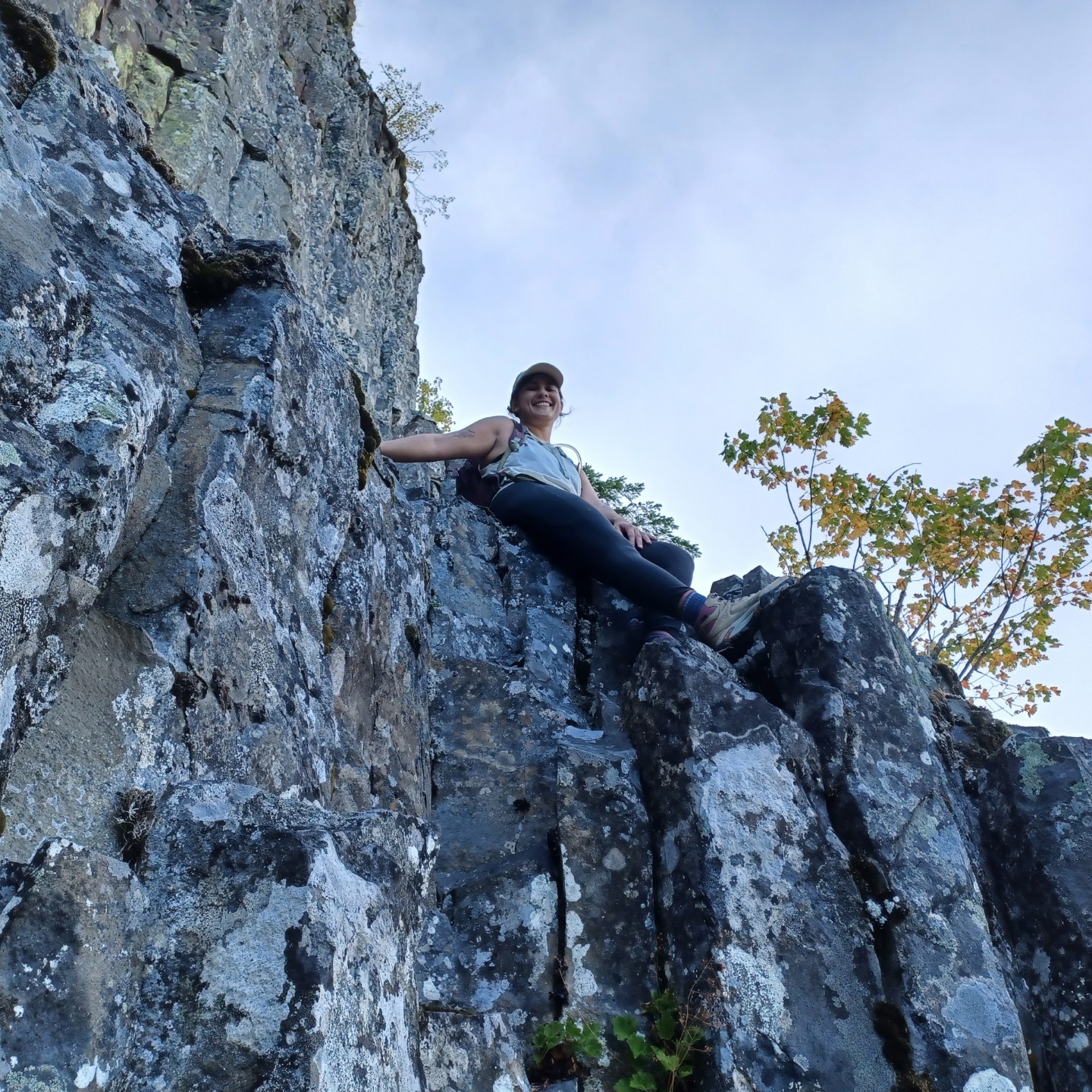
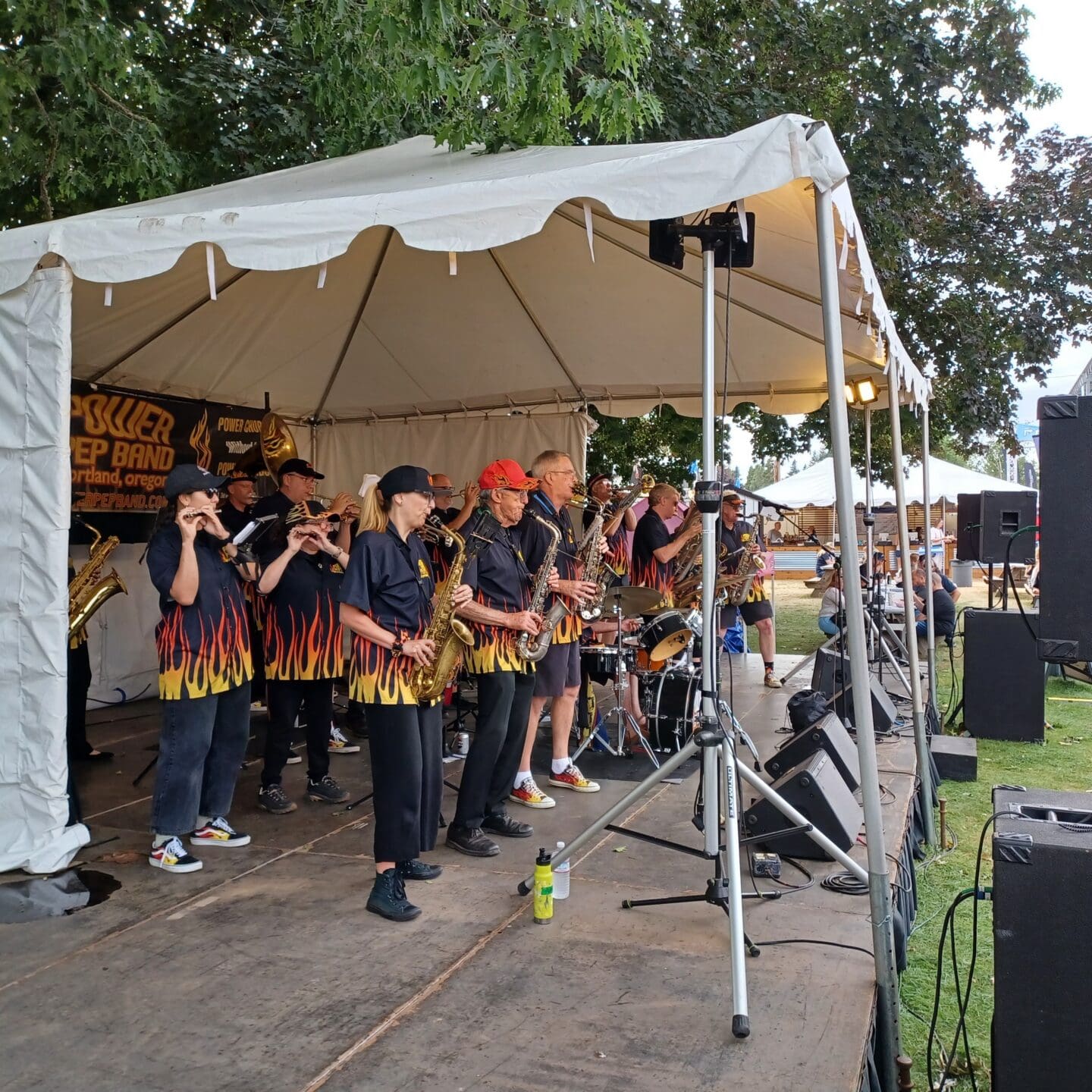
Outside of work, I play piccolo in a local pep band where the goal is simple: play loud and have fun. We perform at all kinds of events, including county fairs, neighborhood parades, and sporting events. I also love outdoor activities like rock climbing, camping, and neighborhood walks. I like taking advantage of Portland’s walkability and easy transit access, and lately, one of my regular evening activities has been renting DVDs from Movie Madness.
Was there a moment when you realized graphic design could be more than a side skill and become a core part of your career?
I think that moment came when I was still working as a transportation analyst and started becoming the go-to person for figures and graphical layouts. Before long, I was also training others on design programs like InDesign and Illustrator. That helped me see graphic design as more than a side skill. It was becoming a meaningful part of how I contributed to transportation work.
What makes a transportation infographic, map, or figure effective, rather than just attractive?
A strong transportation infographic, map, or figure is easy to understand, even for someone without a transportation background. It should be easy to skim and have a clear hierarchy so the audience can quickly see what matters most. Sometimes the best solution for a complicated figure, or map is to simplify it and break the information into smaller, more digestible parts.
How do you collaborate with planners, engineers, and technical staff who may not think visually?
I get the best results when I understand the project context and the goal of the task. The most important thing is knowing what we want the audience to take away from a graphic. If we are not sure which direction to go yet, I find it helpful to start with a very rough draft and talk through my thought process with collaborators. That gives everyone something tangible to react to and helps move the work forward.


What do you enjoy most about working at the intersection of transportation and design?
My career shift feels less like a complete change and more like a merge between my first career and my childhood dream of being an artist. I do not feel like I wasted my civil engineering degree or my time working as an analyst because I still use that knowledge every day. Now, I get to apply it in a way that also lets me use a more creative part of my brain. I am still solving problems, just with more room for creativity.
I also feel like I can speak both languages, technical and non-technical, which helps me serve as a bridge between engineers, planners, and the public. The public plays such an important role in transportation, so making our work approachable and easy to understand is really important to me.
Fast Lane Facts:
Favorite design tool you can’t live without?
Illustrator
Go-to way to get unstuck on a creative challenge?
I try to look at it in a different format. If I have been working on a screen for too long, printing something out helps my brain see it differently. If there is time, I sleep on it. Sometimes I dream up solutions after spinning my wheels on something all day.
Favorite font?
For usability: Montserrat
For fun: Calder
Another fun typeface is Expressway because it is the closest Adobe font to the one used on highway signs.
Most productive time of day?
In the morning, after coffee and a little treat.
Coffee or tea?
Coffee, big time.