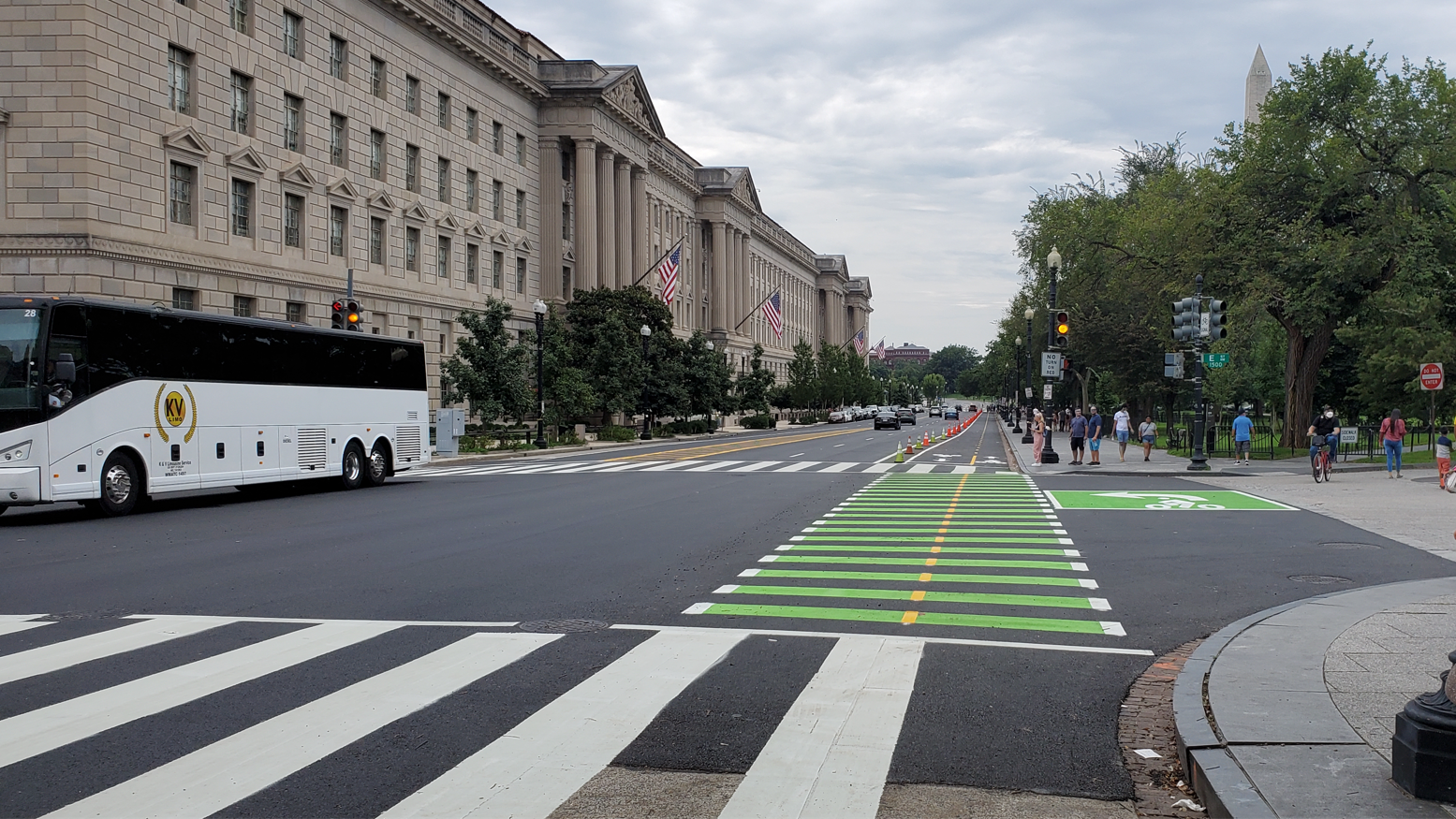
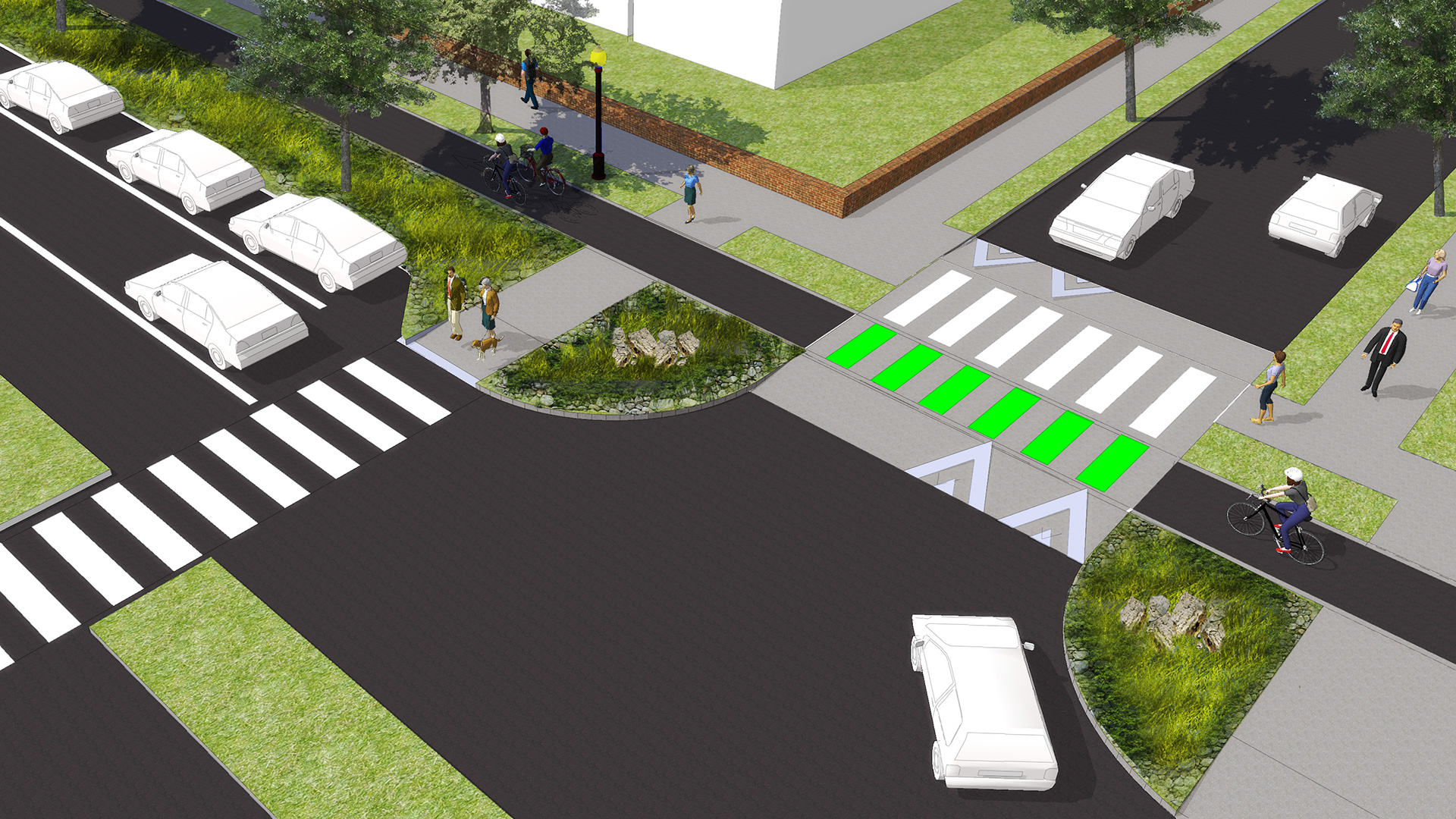
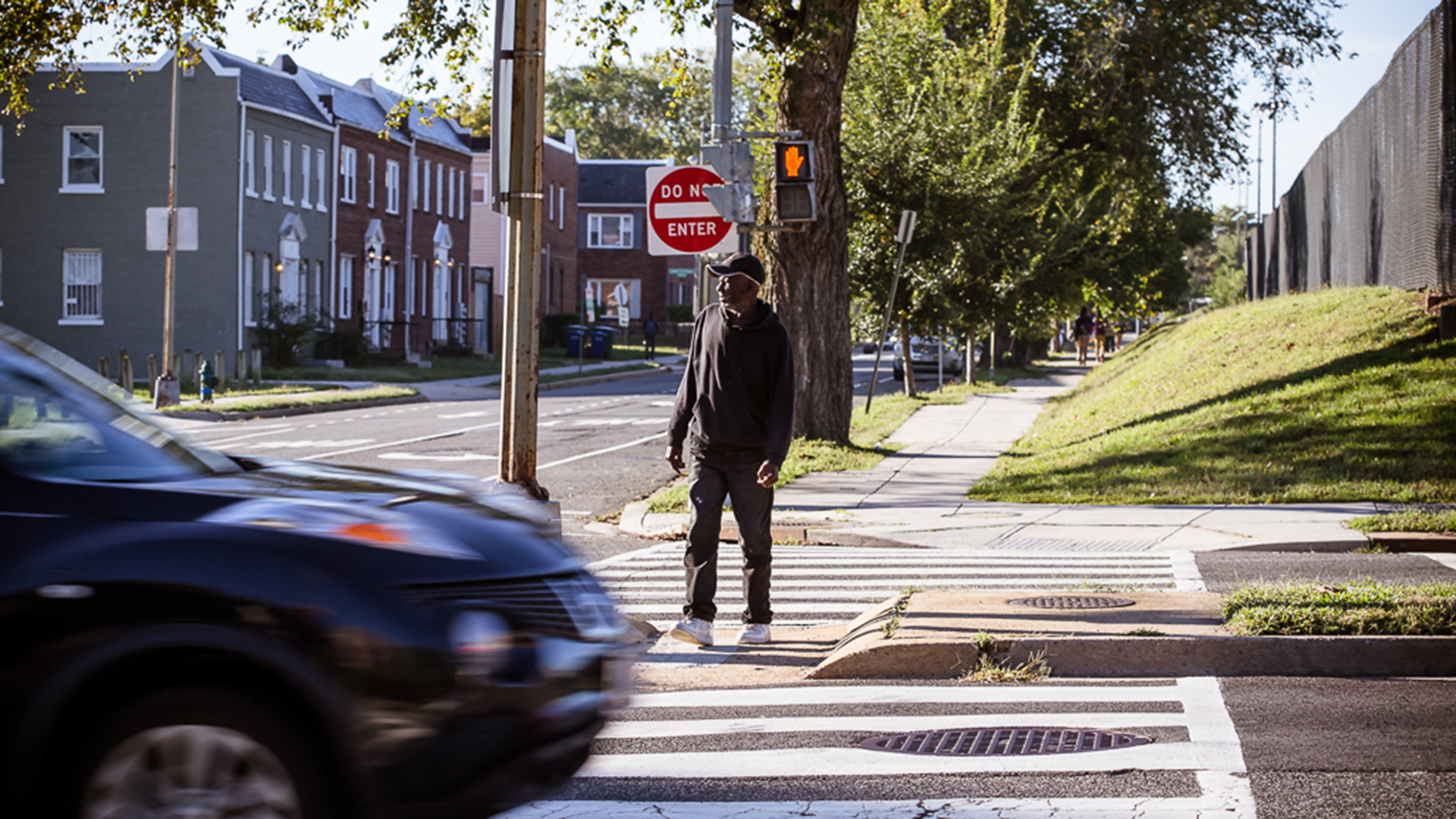
NCHRP Research Report 969 describes a toolbox of treatments to better address the needs of pedestrians and bicyclists at signalized intersections.
Signal Timing for Pedestrians and Bicyclists: Highlights from NCHRP Research Report 969Signal Timing for Pedestrians and Bicyclists: Highlights from NCHRP Research Report 969
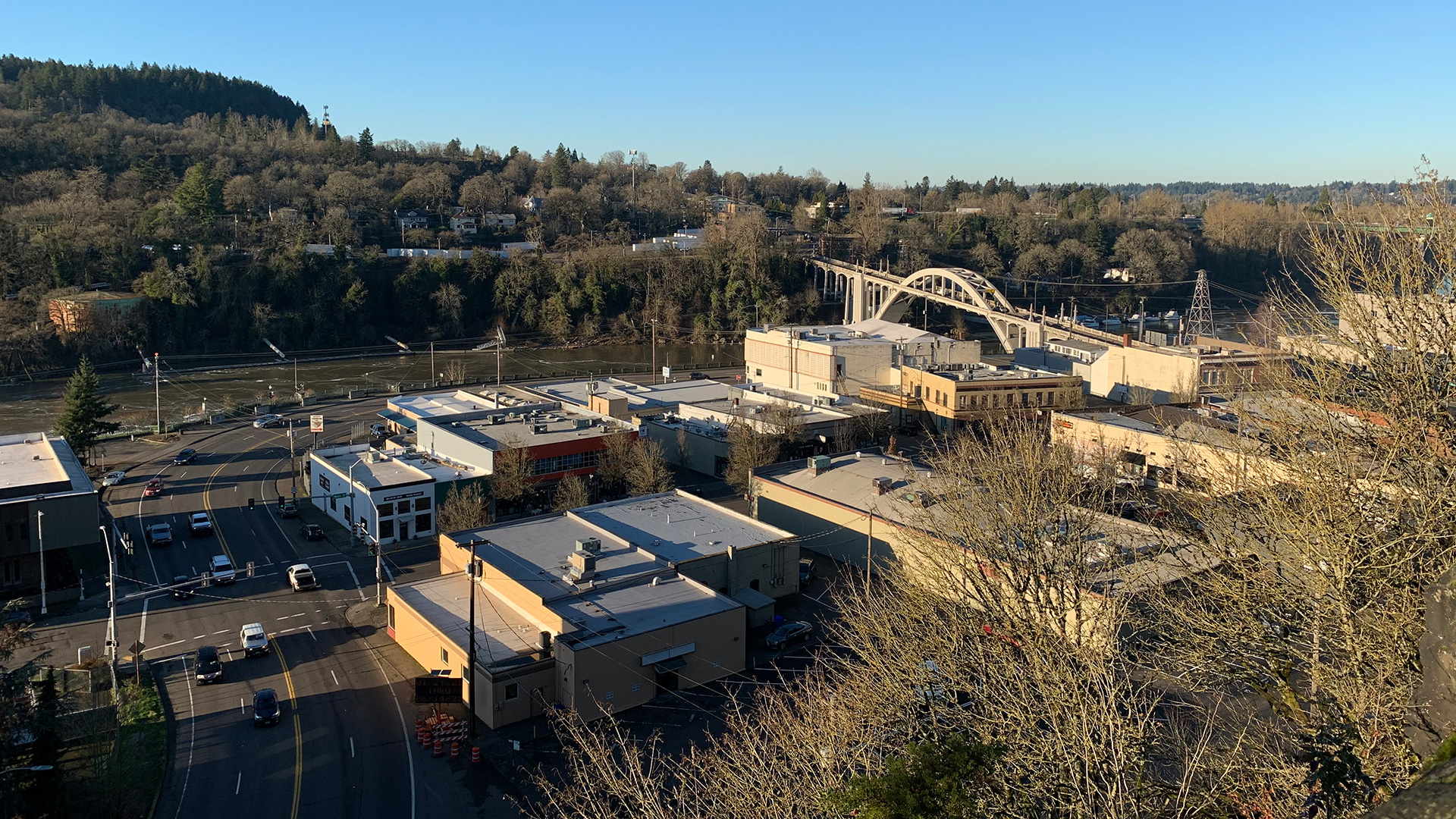
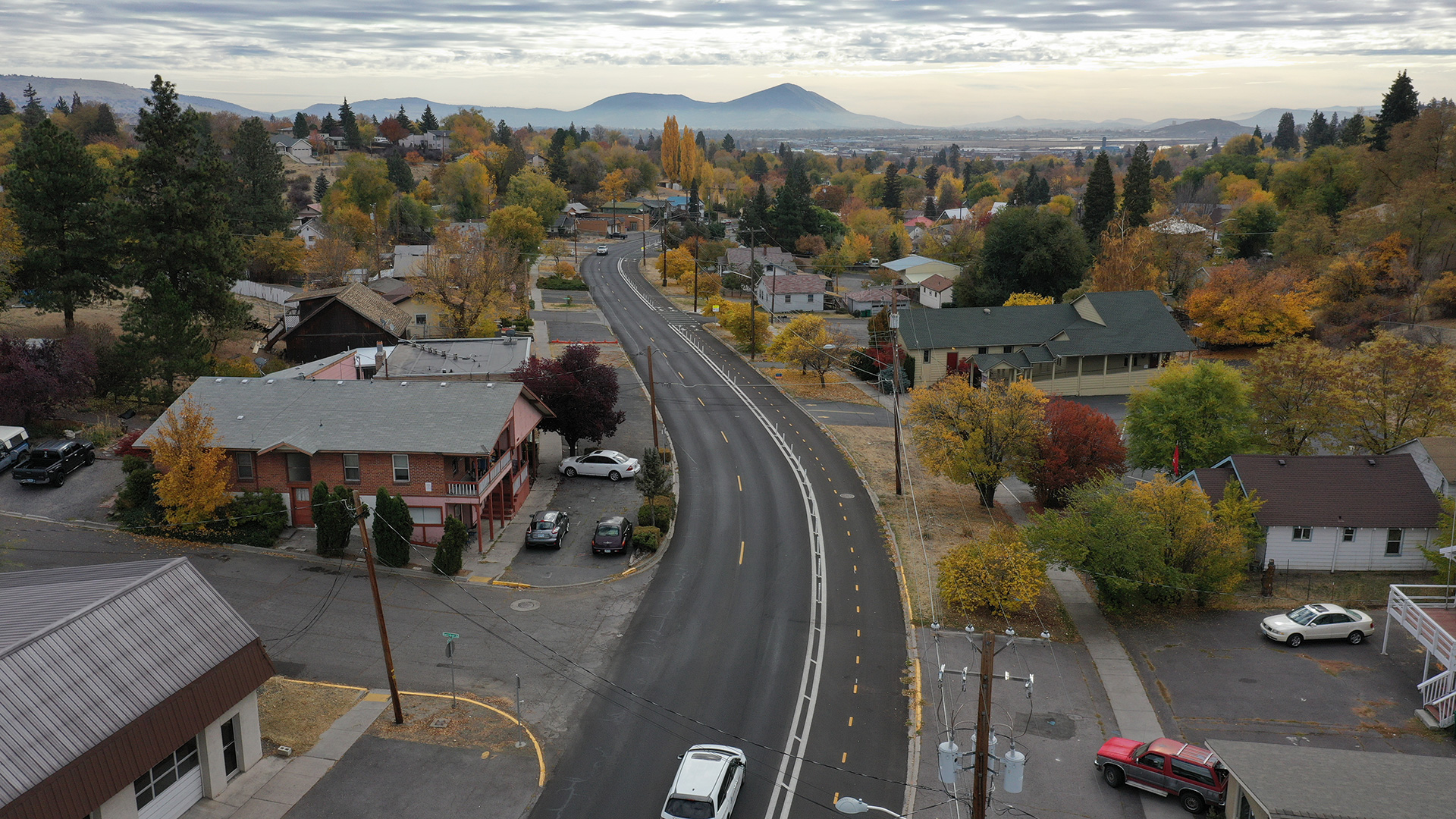
Honoring the culture and history of Willamette Falls was essential to identifying the best alignment location for a new bicycle and pedestrian crossing between West Linn and Oregon City.
Linking Communities Through Active Transportation Infrastructure: An Equity-Focused Quest to Identify a New River CrossingLinking Communities Through Active Transportation Infrastructure: An Equity-Focused Quest to Identify a New River Crossing
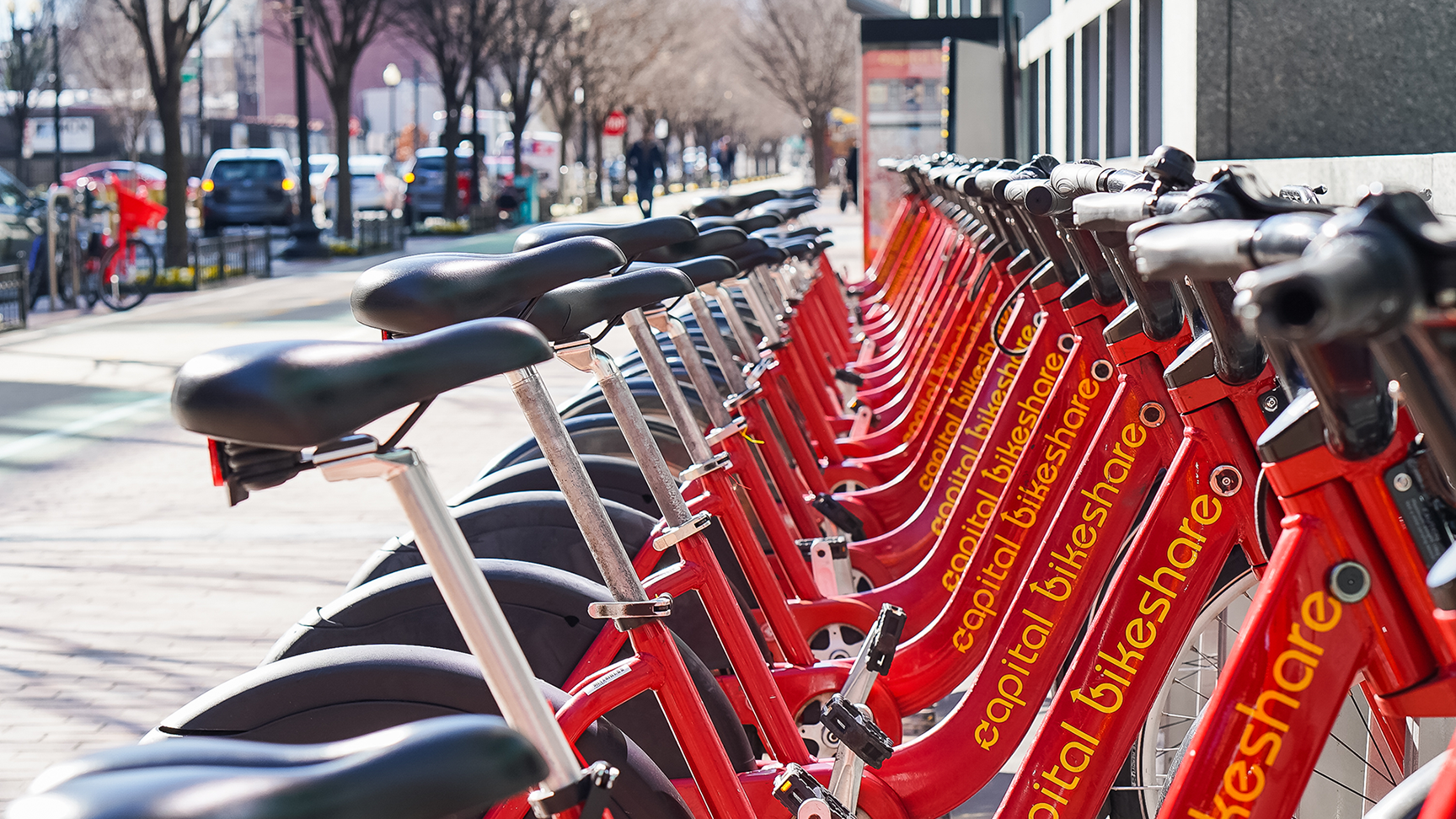
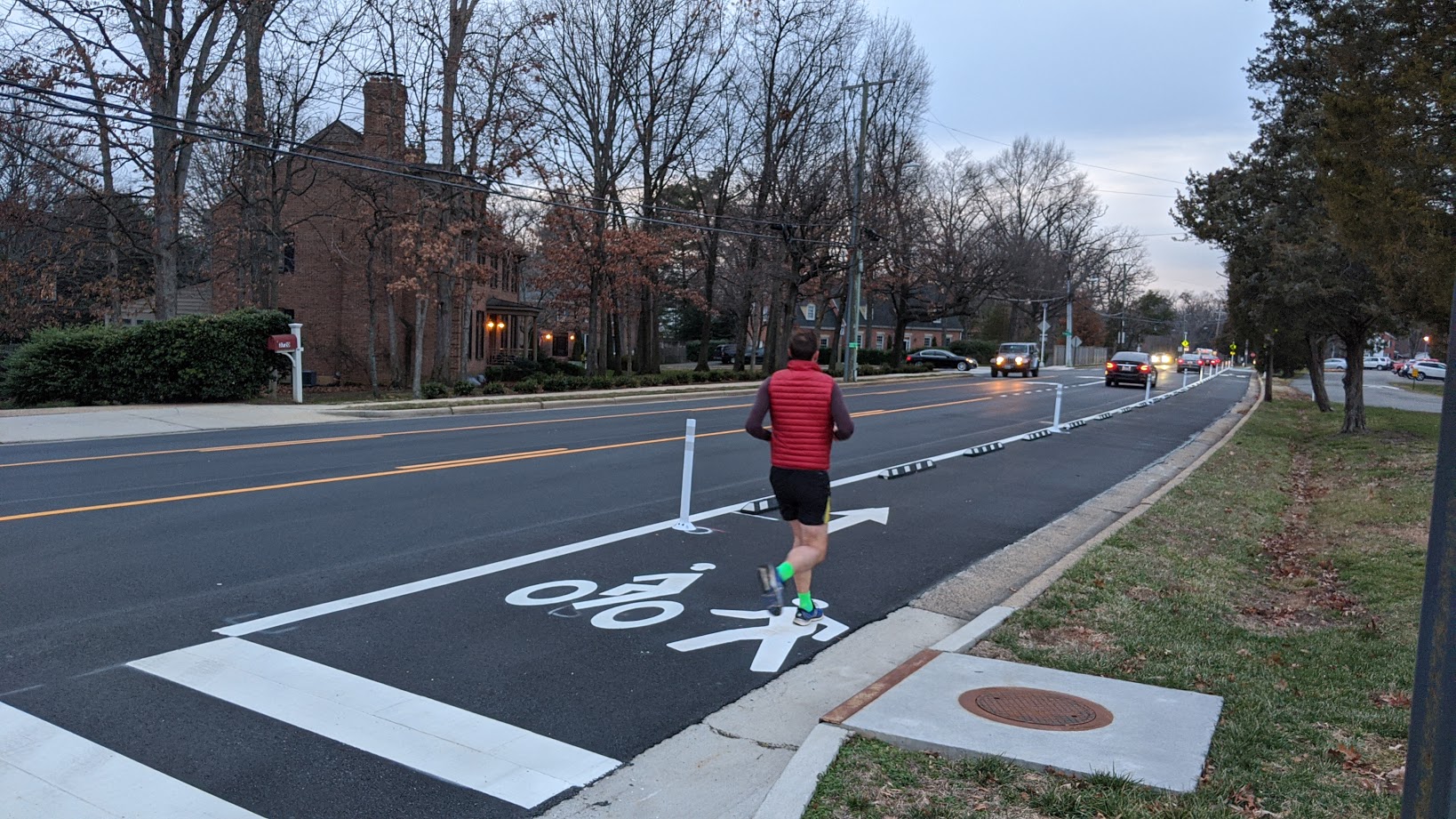
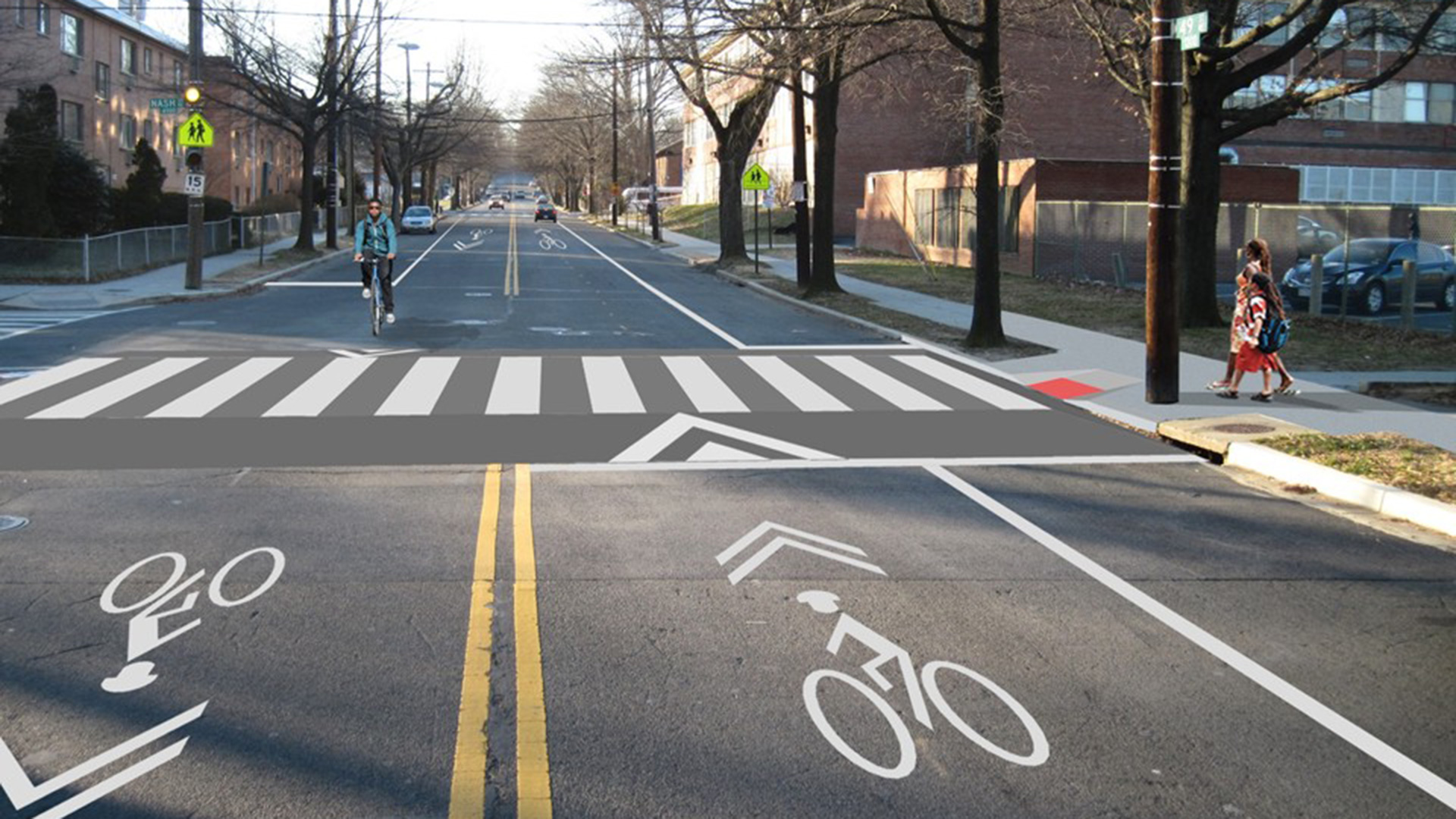
At what types of intersections are bike boxes most appropriate? How much do separated bicycle lanes typically cost? The answers these questions can be found on Virginia Department of Transportation (VDOT)’s new Bicycle and Pedestrian Treatments website.
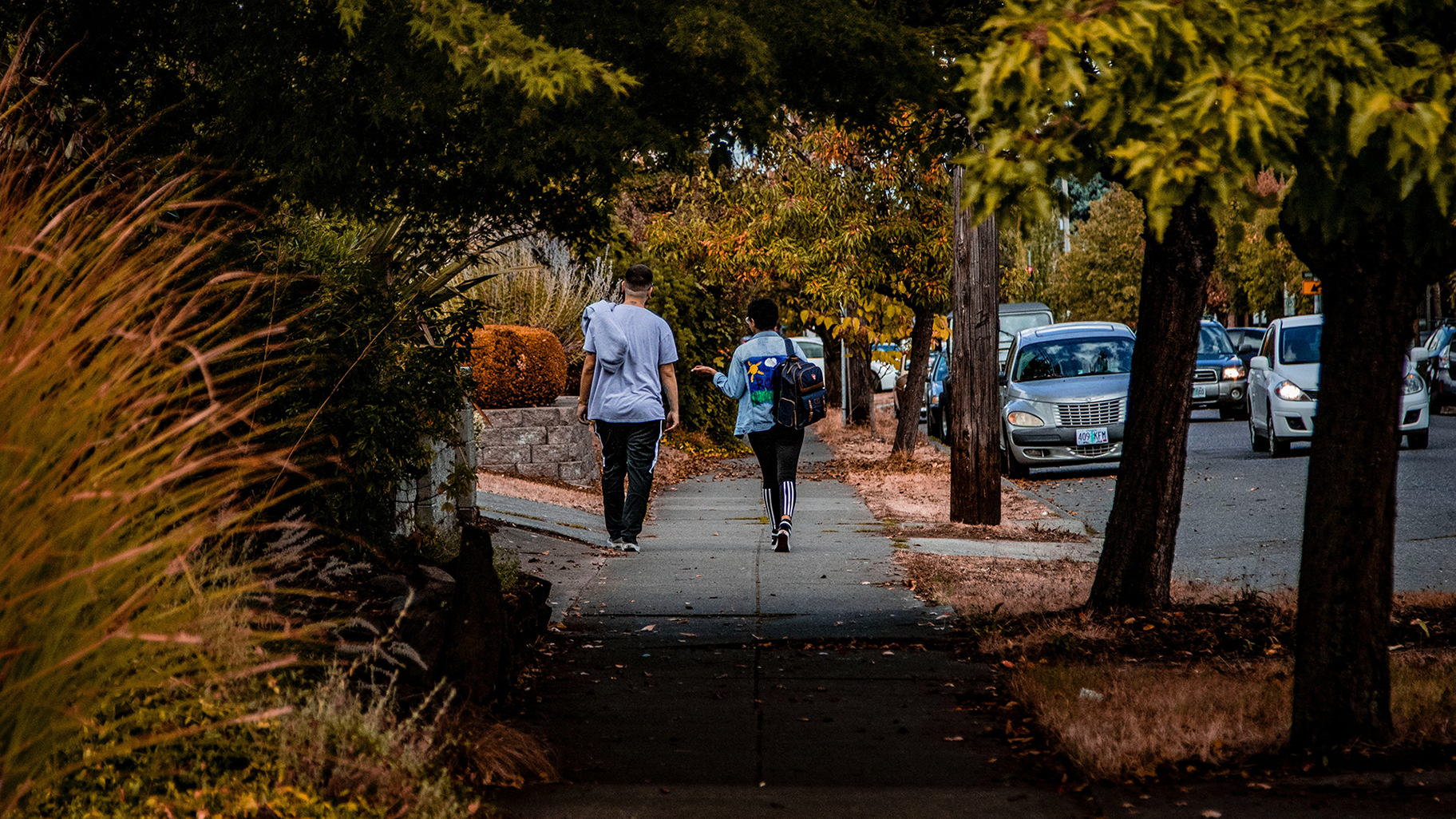
We bring our experiences into our work. Associate Planner Conor Semler writes about why it’s important for transportation engineers and planners to develop empathy for experiences different from our own.
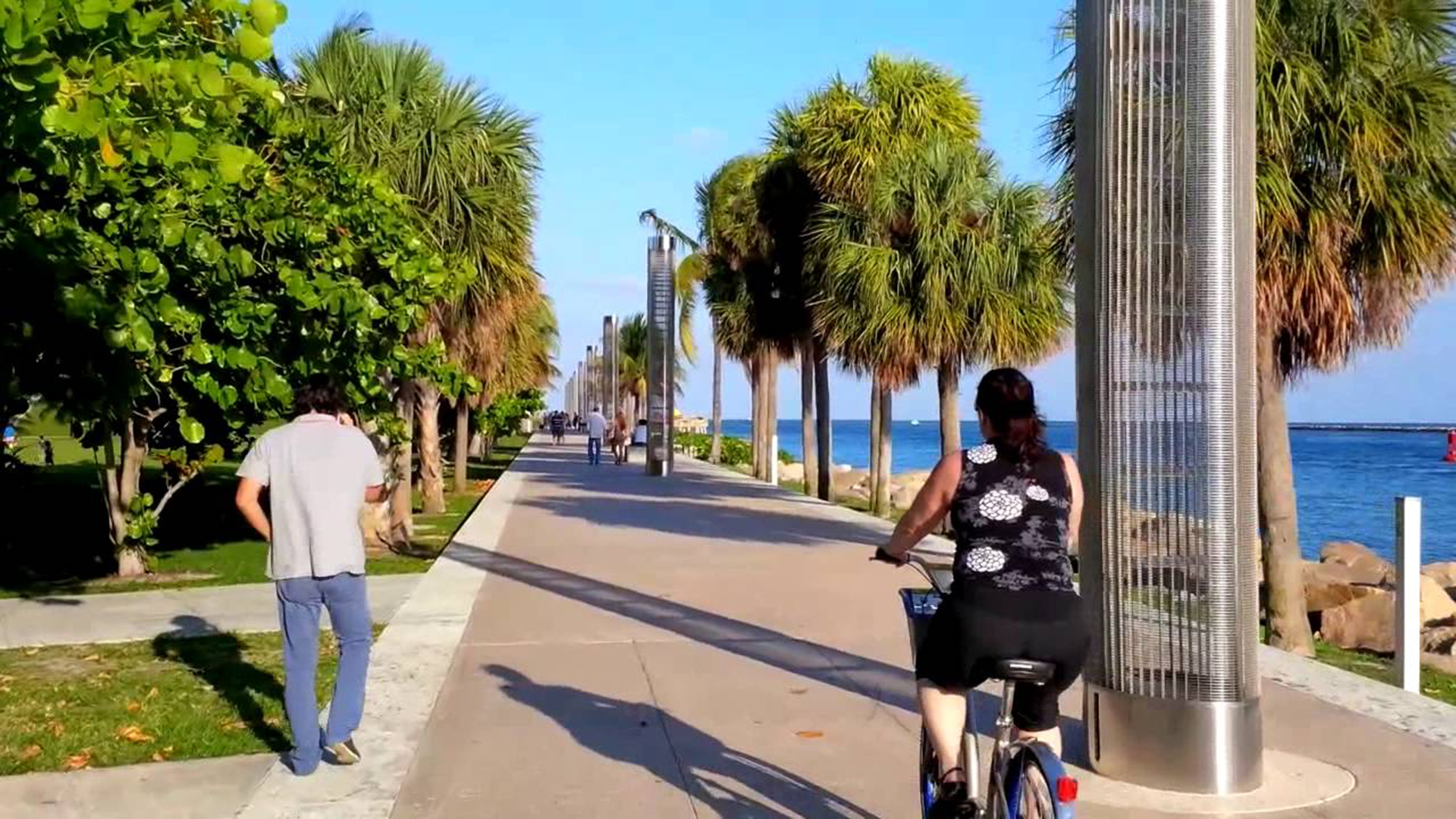
Should e-bikes be allowed everywhere bicycles can go? Responses are divided, and not just at the personal opinion level-regulations also differ state by state.
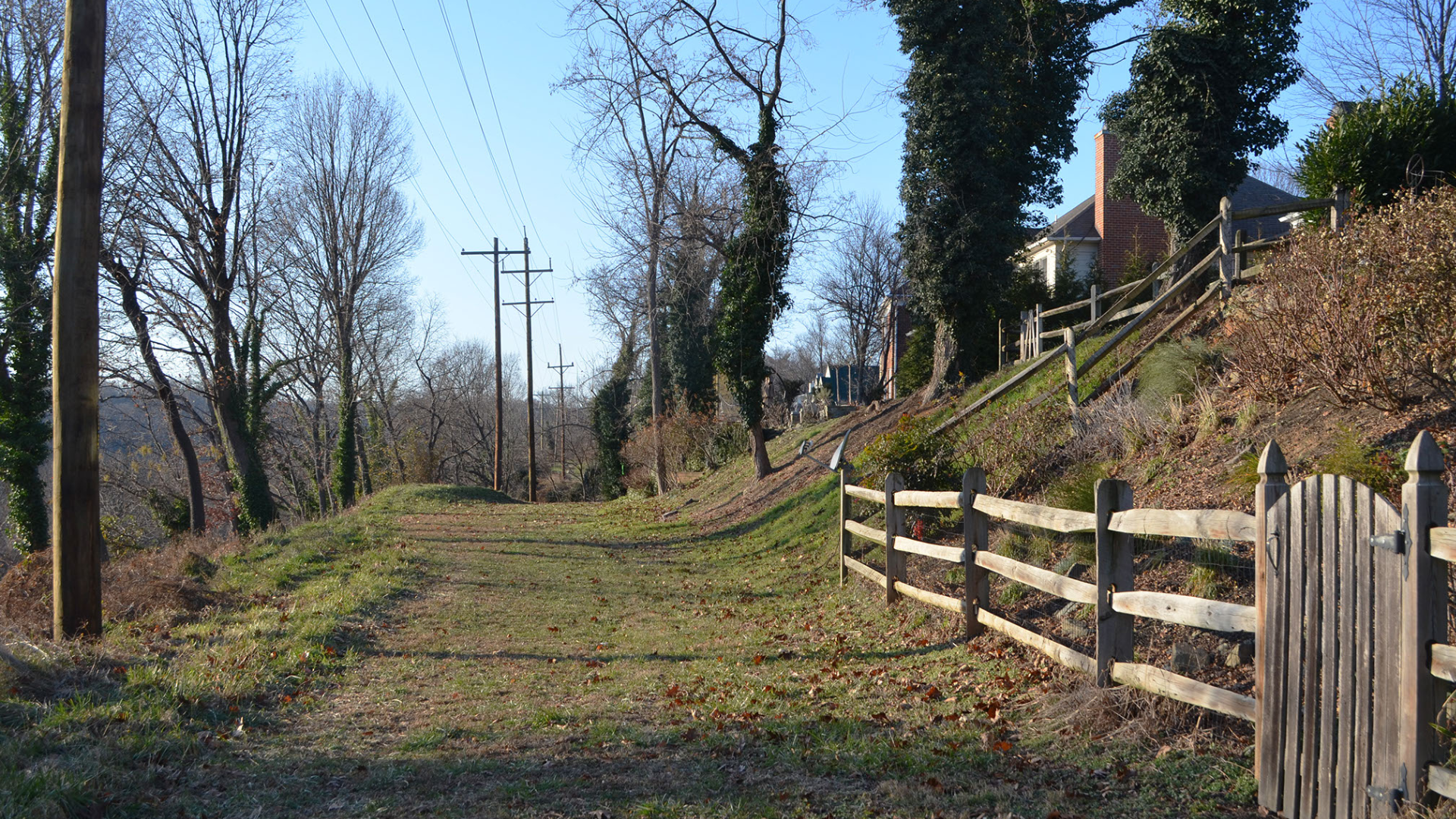
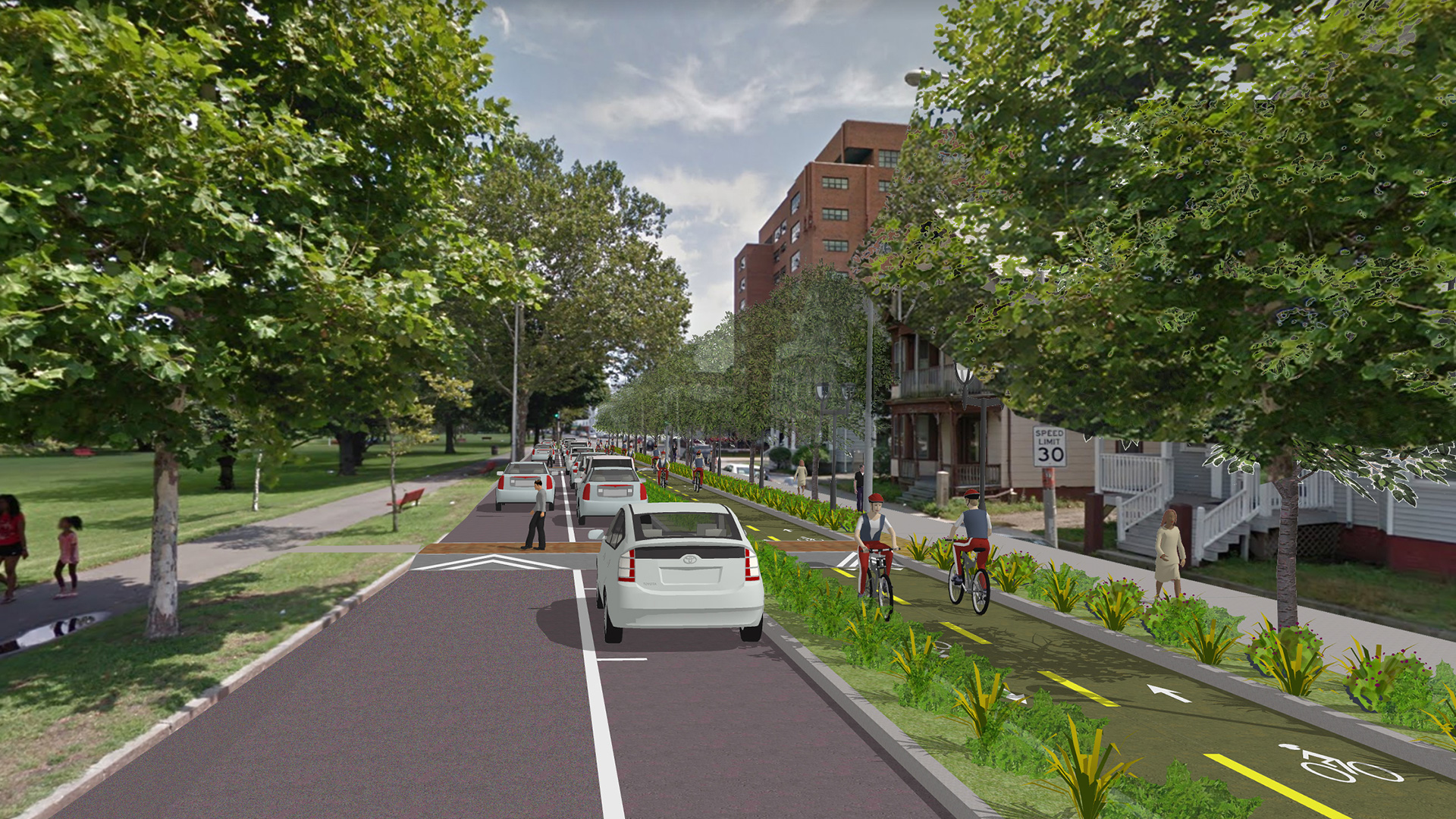
A new study from MassTrails puts numbers behind the health, transportation, environmental, economic, safety, and accessibility benefits of shared use paths.
The Benefits of Shared Use Paths, By the NumbersThe Benefits of Shared Use Paths, By the NumbersThe Benefits of Shared Use Paths, By the Numbers