
April 8, 2026

When you upload a file, send a photo, or stream a movie “in the cloud,” that data isn’t floating through the sky (despite what the name suggests). It’s racing through thousands of miles of buried fiber and cables to a data center. Data centers power the often invisible world of digital infrastructure, housing the servers and equipment that keep the internet striding forward.
It probably doesn’t come as a surprise, then, that the construction of data centers has been rapidly accelerating in correlation with the rise of artificial intelligence (AI). We’re talking the potential of $1 trillion of development between 2025 and 2030 in North America alone. But for as prevalent a development project as data centers are becoming, guidance around how to plan for their transportation-related impacts remains limited. This is likely due to their relative novelty and the rapid evolution of the technology they’re housing that calls for continual changes to operations and staffing. Compounding this challenge, data centers present a unique problem for transportation impact analyses (TIAs): unlike most developments, the largest surge in traffic is not generated by day-to-day operations, but by the intensive (yet temporary) construction phase. In effect, the most intense transportation impacts occur before the facility is even operational.
Ironically, you could say we’re faced with a lack of data. For example, by the time the Trip Generation Manual is updated with volunteer-provided trip data for estimating data center demand on a 4–5 year cycle, data centers have evolved again. Further, the way data centers are constructed, maintained, and operated is changing rapidly as both technology and industry best practices adapt.
In light of this, we’ve put our heads together to assemble a collection of practical insights for agencies, developers, and consultants seeking to prepare for a new data center’s transportation needs. We don’t have all the answers, but we’ve had the opportunity to lead the development of TIAs across the country and want to offer what we’ve learned to help you tackle the unique challenges that come with these projects. Let’s start with the biggest one.
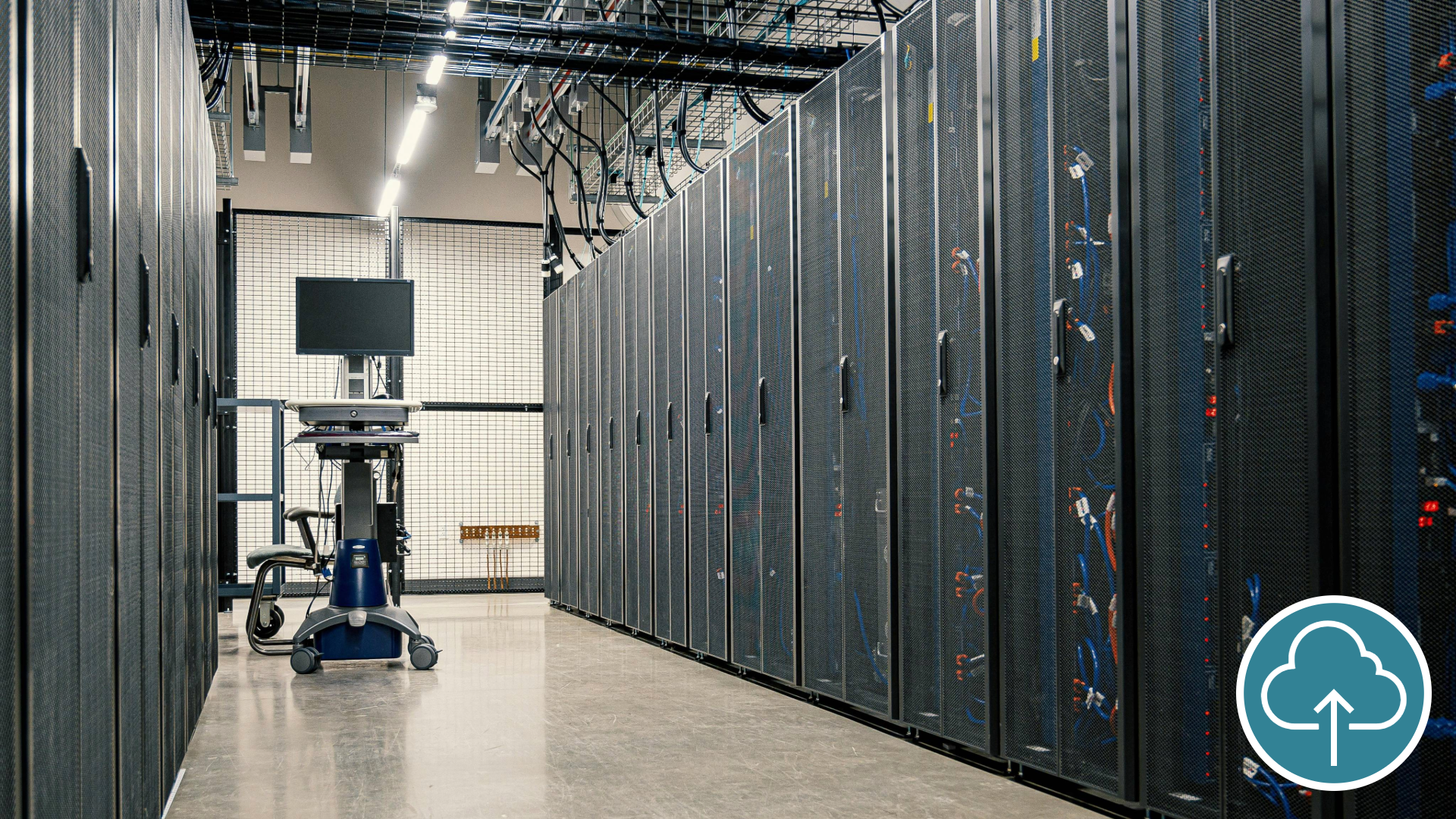
For as prevalent a development project as data centers are becoming, guidance around how to plan for their transportation-related impacts remains limited. Source: Brett Sayles on Pexels.com.
Data Centers Flip the TIA Script
In most development projects, we’d expect daily traffic to increase—whether immediately or gradually—once the development is constructed and operational. Think of a shopping mall, an apartment complex, or an office park. These sites are constructed, and their transportation impacts strategized, to accommodate the predicted influx of people using them for working, living, or recreating. A data center, however, is constructed to house computers and a relatively small contingent of support personnel. Never say never, but we don’t see data servers driving, taking the bus, or riding a bike to work any time soon. The human staffing needs of a data center are relatively low. That means the greatest influx of people and vehicles on the data center property is probably impacting the streets during construction.
Data centers generate a surge of transportation activity while they are being built. This includes large, temporary increases in construction workforce traffic, as well as frequent deliveries of heavy equipment and materials. To complicate matters, construction traffic spikes often occur outside standard commuter peak hours, leading to atypical patterns of congestion and roadway wear.
As a result, traditional TIAs—which are designed to assess the operational impacts of developments during peak traffic periods—may not fully capture the real challenges posed during the data center construction phase. Agencies and communities can experience a mismatch between what a typical TIA evaluates and the actual disruptions on the ground. Let’s dive in a little further.
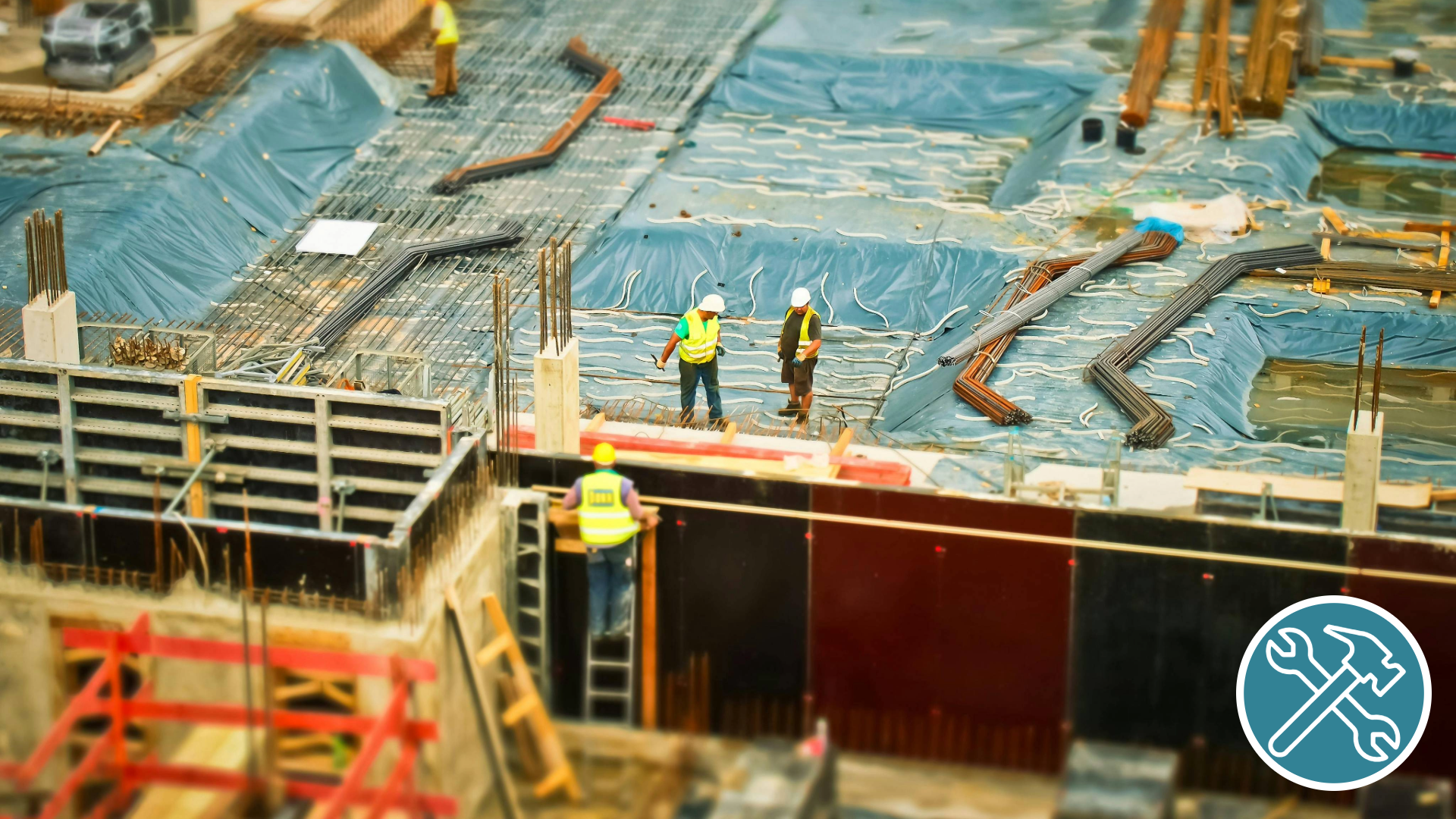
Data centers don’t fit cleanly within typical TIA processes since the biggest transportation surge may occur during construction, and those traffic spikes often occur outside peak hours. Source: Pixabay on Pexels.com.
What a Transportation Impact Analysis Typically Covers
When conducting a TIA, a transportation engineer seeks to determine the manner and magnitude in which a proposed development will impact topics like transportation congestion, safety, and access. This involves capturing current conditions (both capacity and safety) and how these conditions are predicted to evolve, both without the new development and with it. TIAs help us understand what infrastructure changes may be necessary to mitigate the impacts of a development—for example, signalizing an intersection, adding turn lanes, or upgrading sidewalks—essentially, informing decision-makers how to keep the transportation system “whole” before and after development.
Why Traditional Methods Can Miss Data Center Impacts
Predicting future demand on a transportation system hinges on trip generation: figuring out how many trips the site will generate, especially during the busiest hours. For most projects, this means using established methods to estimate the number of trips and travel modes arriving and leaving during peak periods, like classic morning and evening commutes. The unique attributes of data centers, however, throw a wrench in this process. As we’ve covered, it’s likely not the ongoing operations of the data center that are going to cause the biggest surges in traffic; it’s their construction.
This deviation from the norm raises a few head-scratchers. How do we estimate the demand that data center construction traffic will put on the transportation system and when that demand will occur? The trip data for data centers currently available in the Trip Generation Manual, which is published by the Institute of Transportation Engineers (ITE) to help engineers estimate how much traffic will be generated by different land uses, is predicated on data provided by the greater transportation community. At least currently, that available data is for commuter peak hours during typical daily operations, not construction trips. Further, pending local conditions, construction workers often start and end their workdays outside the morning and evening commuter rush to avoid transportation impacts and delays.
And what do we do with the findings? While vehicle capacity-based analysis might point to the need for more travel lanes and different traffic control to accommodate a near-term construction surge, are those investments the best use of financial resources? What transportation infrastructure investments will serve the development and the community long term? Surely it’s not a good investment for a community to size and construct an intersection or roadway corridor only to accommodate vehicle congestion for a six-month period, but developers don’t want to pay handsome hourly wages to have a construction crew sitting in traffic, either.
Put another way: how can we keep construction workers and the traveling public moving safely and efficiently during data center construction without overbuilding?
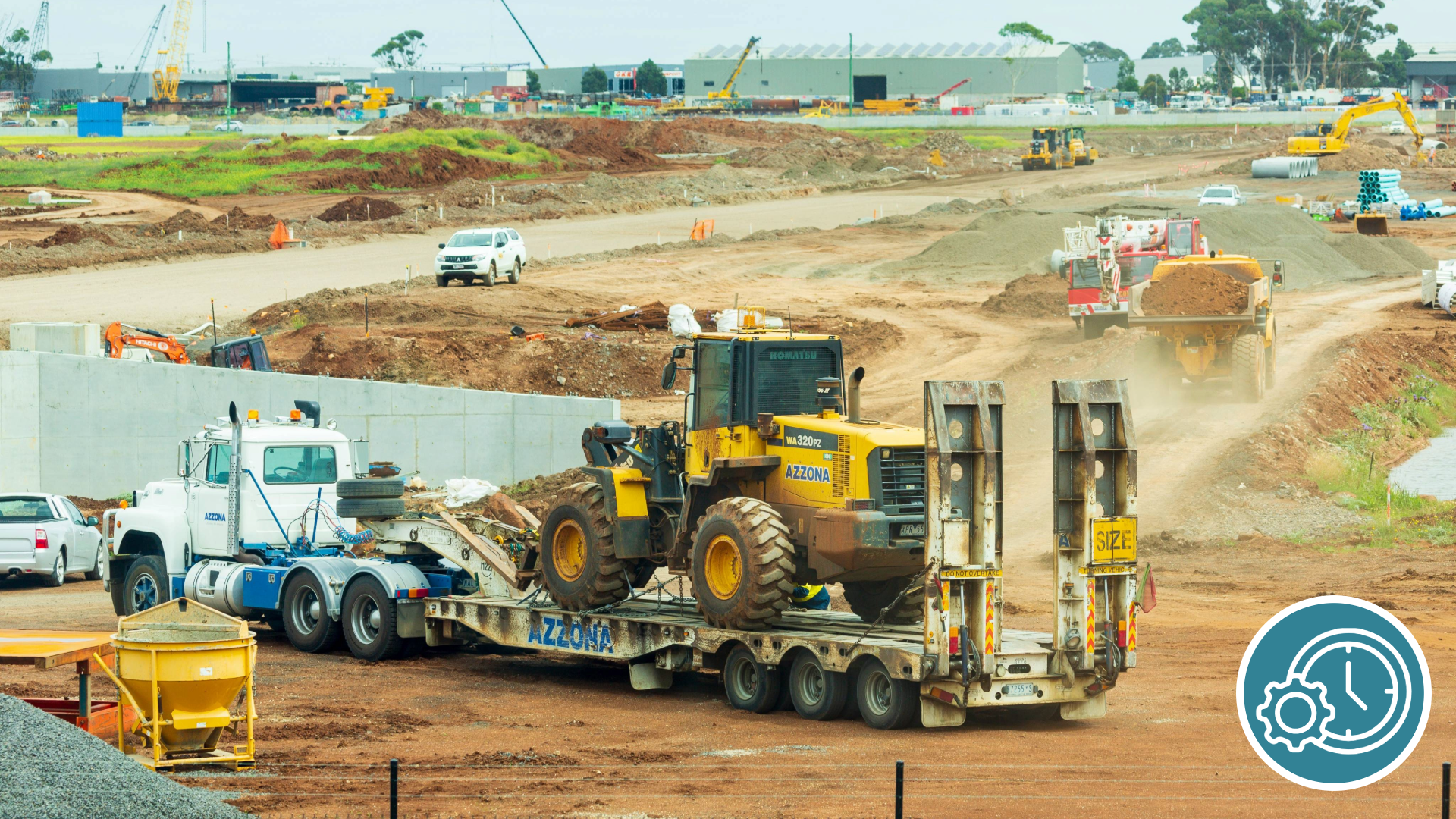
How can we keep construction workers and the traveling public moving safely and efficiently during data center construction without overbuilding? Source: Troy Mortier on Unsplash.com.
5 Steps to an Effective Evaluation of Data Center Impacts
If you were a transportation manager kicking off a TIA for a data center, here are some suggestions we’d share with you based on our experience and lessons learned. While by no means a comprehensive summary of the steps of a TIA, we’ve ordered the recommendations chronologically so that they flow in the sequence you’d naturally encounter them in a project.
1. Scope It Right
Think critically and carefully when scoping a TIA for a data center. The scope needs to recognize that the construction phases are 1) significant, 2) temporary, and 3) typically off-peak. This is not a cookie-cutter TIA approach. A standard daily trip model will probably miss the mark, so set analysis periods that align more closely with expected activity.
Additionally, think about the purpose of the TIA and what it is required to address. It’s likely not going to answer every question here. You may conclude the TIA’s purpose is to address typical day-to-day impacts once the data center is operational. Pair it with a solid construction management plan that tackles those short-term traffic spikes head-on, and you’ll be better positioned to understand and handle the unique challenges that come with building a data center.
2. Build the Construction Traffic Profile
As we mentioned above, the current Trip Generation Manual offers data representative of typical daily operations. Whether you choose to address construction traffic through a TIA or a Traffic Management Plan (TMP), the analysis will need to reflect the unique schedules and rhythms of construction traffic. There’s no substitute for having trusted relationships with developers, contractors, and data center managers when it comes to understanding the magnitude and type of anticipated construction vehicles and the workforce. Gaining a higher resolution understanding of what to expect will help you dial in a more accurate traffic profile that can lead to more effective construction management.
A key factor to keep in mind is where traffic is traveling from and returning to as part of the workday. Many data centers are constructed in rural areas due to available land and access to power and water. These areas likely don’t house the construction workforce for such a large project, so workers will either be commuting in from other areas or staying in temporary accommodations. Each of these scenarios will impact the construction traffic profile.
In addition, with the emerging trend of data centers co-developing power sources (solar, wind, and beyond), be sure to consider the roads and infrastructure construction the supporting power generation facilities may require.
3. Find the True Constraints of the System
Overlaying the construction traffic profile over the current conditions of the transportation facilities sets you up to identify the traffic pinch points. These can be many and varied, for example:
- Intersections or roadways might not be prepared for the volume of traffic traveling to/from a specific direction during a construction phase.
- In urban areas, privacy regulations around data centers might limit internal circulation or require gated entry; either of these scenarios could cause spillback to public streets.
- Particularly in rural areas, unpaved roads might not be prepared to support sustained heavy vehicle movements.
4. Mitigate Without Overbuilding
We now arrive at the stickiest question in the process: if construction traffic will represent the height of the data center’s demand on the transportation system, and if that same traffic will be nonexistent in a year, how can we mitigate construction impacts in a financially sustainable manner? Remember that constructed infrastructure requires long-term maintenance and someone will bear that maintenance obligation.
Data center developers and contractors generally want to get their workers and equipment to and around a construction site efficiently so they can deliver their project as quickly as possible in a competitive environment. Public agencies responsible for transportation facility operations and maintenance want to prioritize safety and minimize impacts to the traveling public, while simultaneously advancing their own planned or desired projects for a given area. There are a few good questions to ask here:
- What temporary strategies are feasible and implementable? The “toolbox” can include traditional elements such as flaggers, temporary signals/automated control, temporary stop signs, and even temporary roads to facilitate vehicle movement. There may also be opportunities to creatively flex the time and size of traffic impacts through techniques such as staggered shifts, creating off-site parking with shuttles serving the construction site, and creating local temporary housing proximate to the construction site. A proven key to success is to be flexible! Remember that measures introduced as temporary solutions could be considered for permanent adoption if they continue to enhance operations and/or safety.
- If infrastructure changes are needed, what are some durable, low-maintenance options that benefit the community without creating a heavy upkeep burden? Opportunities to consider might include a pavement overlay, strengthening roadway shoulders to accommodate heavy vehicles, or restriping within the existing pavement width rather than widening the road. Or thinking creatively again, are there opportunities to repurpose a temporary construction roadway to a future multiuse path or some other mutually beneficial community use?
- What projects could be a win-win for both agency and developer? Perhaps the local transportation agency has already identified a roadway improvement to serve the community that could also serve the data center; funding from the data center developer could be the impetus to help deliver that planned infrastructure more quickly. Or there may be opportunities to have the data center developer design and deliver the planned roadway improvement and then receive credits in the form of system development charges or tax incentives. Agencies and developers could also partner on the workforce housing question: developers can help fund housing accommodations that benefit them in the short term and the community in the long term.
5. Don’t Assume Construction Is the Only Traffic Spike.
Finally, look post-construction: just because day-to-day human staffing needs are low doesn’t mean there won’t be operational events that will impact traffic. While we opened this article joking that data servers aren’t driving or biking to work, they do generate recurring trips: maintenance and equipment replacement.
The shelf life of a server is shorter than many of us might expect. According to a 2025 International Data Corporation (IDC) report, 44% of surveyed organizations refresh their server and compute infrastructure every three years or less, noting that “refreshing or upgrading servers every three to five years may not be frequent enough to keep ahead of the innovation curve.”
From a transportation perspective, equipment refreshes likely translate to periodic increases in site employment and delivery vehicle activity. While upgrade traffic presumably won’t compare to the surge seen during construction, delivery traffic may be steady if a local data center chooses to stagger their upgrades rather than replacing everything at once. Regardless of whether a data center serves one company or many different lease tenants, delivery vehicles will need to bring in new servers and carry out old equipment, and these trips can be streamlined with effective communication and planning. It’s important to keep an eye on the trends, as rapid technological advances will continue to shape how and when these replacements happen.

Equipment maintenance and replacement will continue to generate trips outside of day-to-day data center operations. Source: Quintin Gellar on Pexels.com.
The Data Center Boom Is Here
Most of what is happening on your digital device right now—this article on your screen, the ping of an instant message, the arrival of an email—is supported by a data center somewhere. It may not be a land use that many people think about, but the unprecedented scale of data center construction calls for effective strategies around safe and sustainable construction and management. Whether you’re working through a TIA like we’ve described here or want to talk generally about the transportation implications of this type of project, we’d welcome an opportunity to continue the conversation! Reach out to any one of us through our bio pages linked above.
Additionally, if you have access to data center trip data, consider sharing it with the transportation community through ITE! The Trip Generation Manual is updated every few years and would greatly benefit from more robust data that helps us all better understand data center trips.