
“People don’t have to actively choose to be sustainable when you’re living in a space that provides those options for you.”
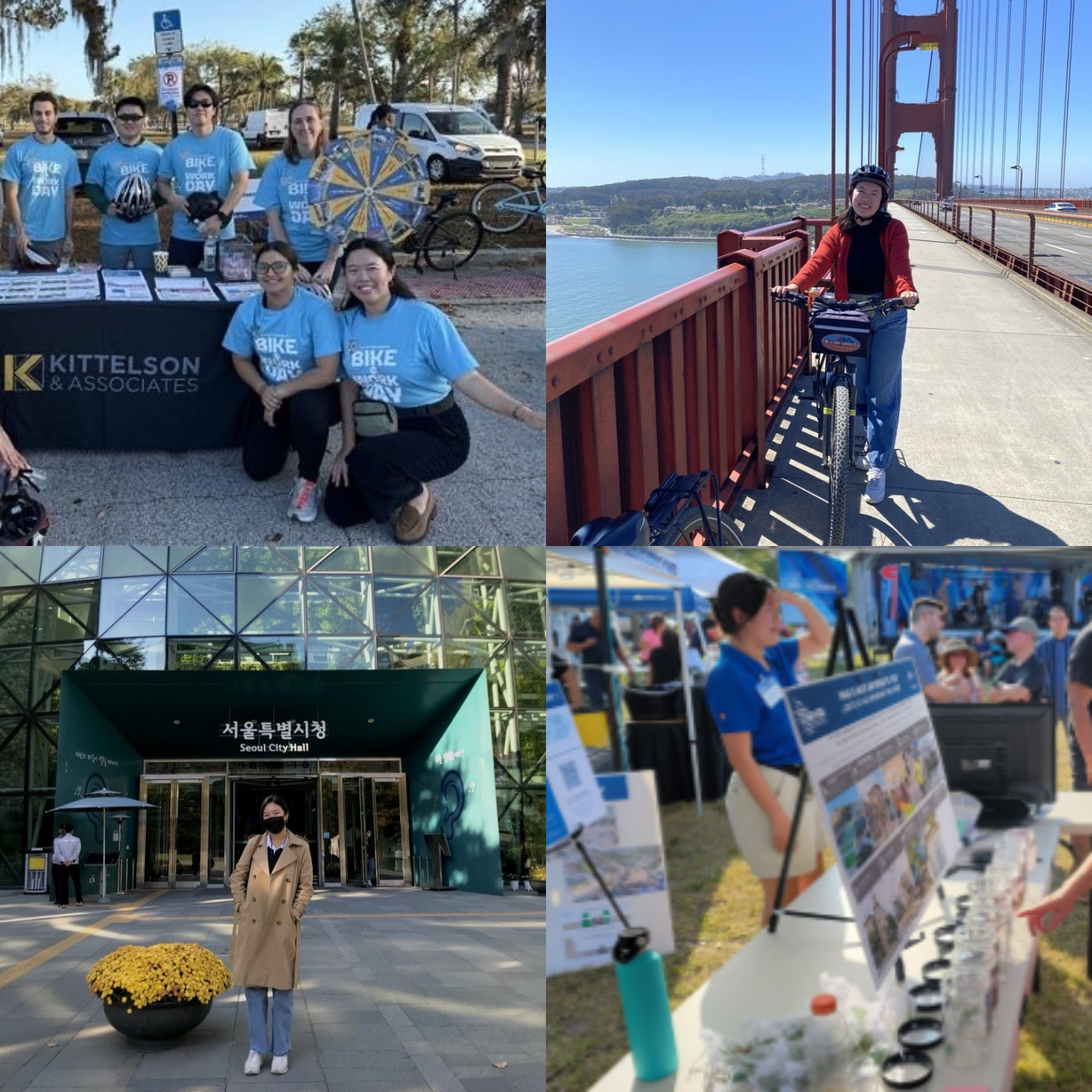
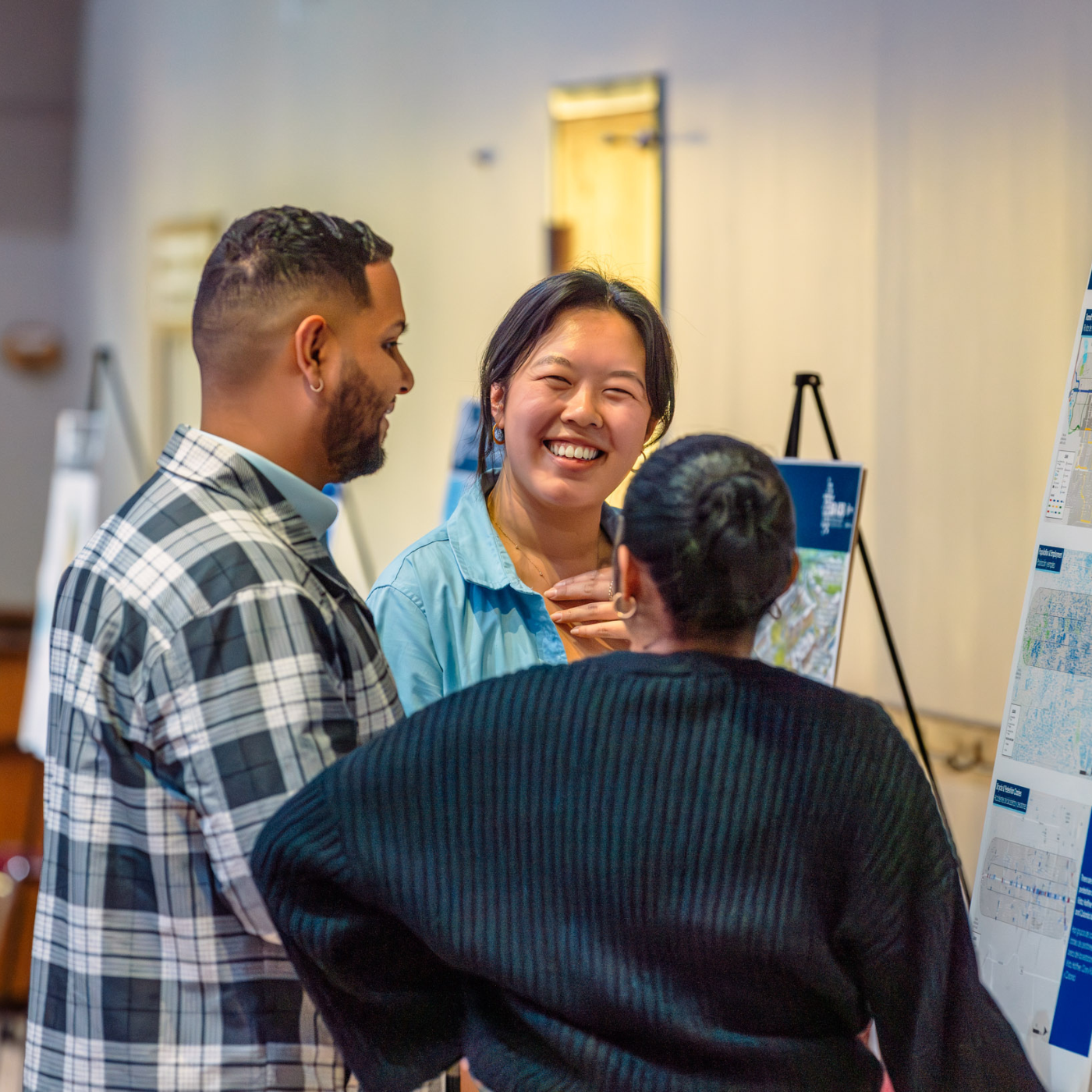
We’re an interconnected nationwide team, but we each have our own reasons for being passionate about the work we do. This month, get to know Jady Chen, a Planner in our Orlando office.
What’s your background, and how did you end up at Kittelson?
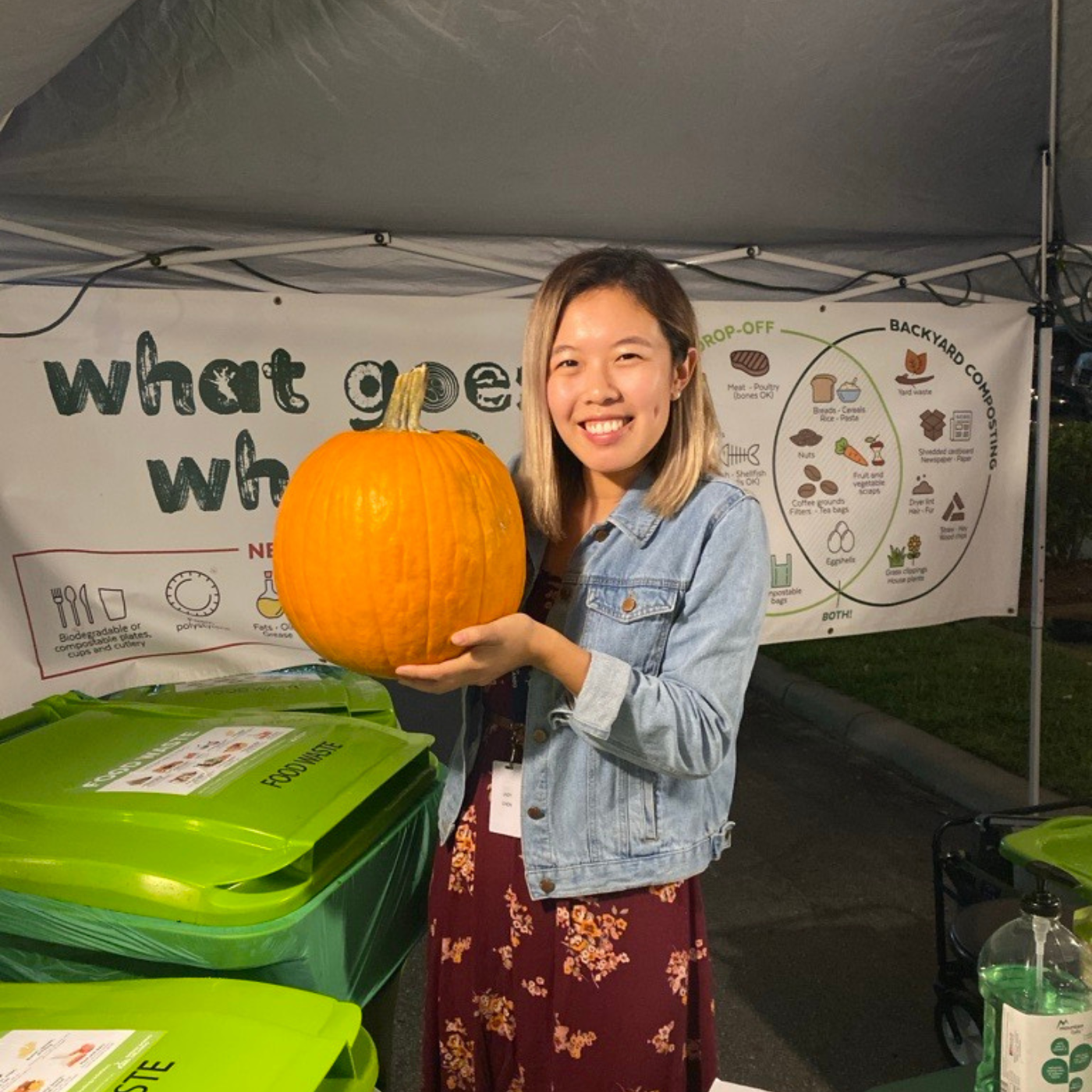
My background is in environmental studies. I did a lot of sustainability work in my undergraduate studies. During that time, I created a vision bicycle network for the City of Orlando as a project for a GIS course I was taking. It never crossed my mind that urban planning was a career until my professor mentioned it. He encouraged me to look into the Urban and Regional Planning Master’s Program at UCF (University of Central Florida). I started taking those courses while I was still working in Sustainability, doing a little bit more on the solid waste side, food waste recycling, energy and greenhouse gas emissions. I really wanted to show how sustainability is heavily influenced by the built environment.
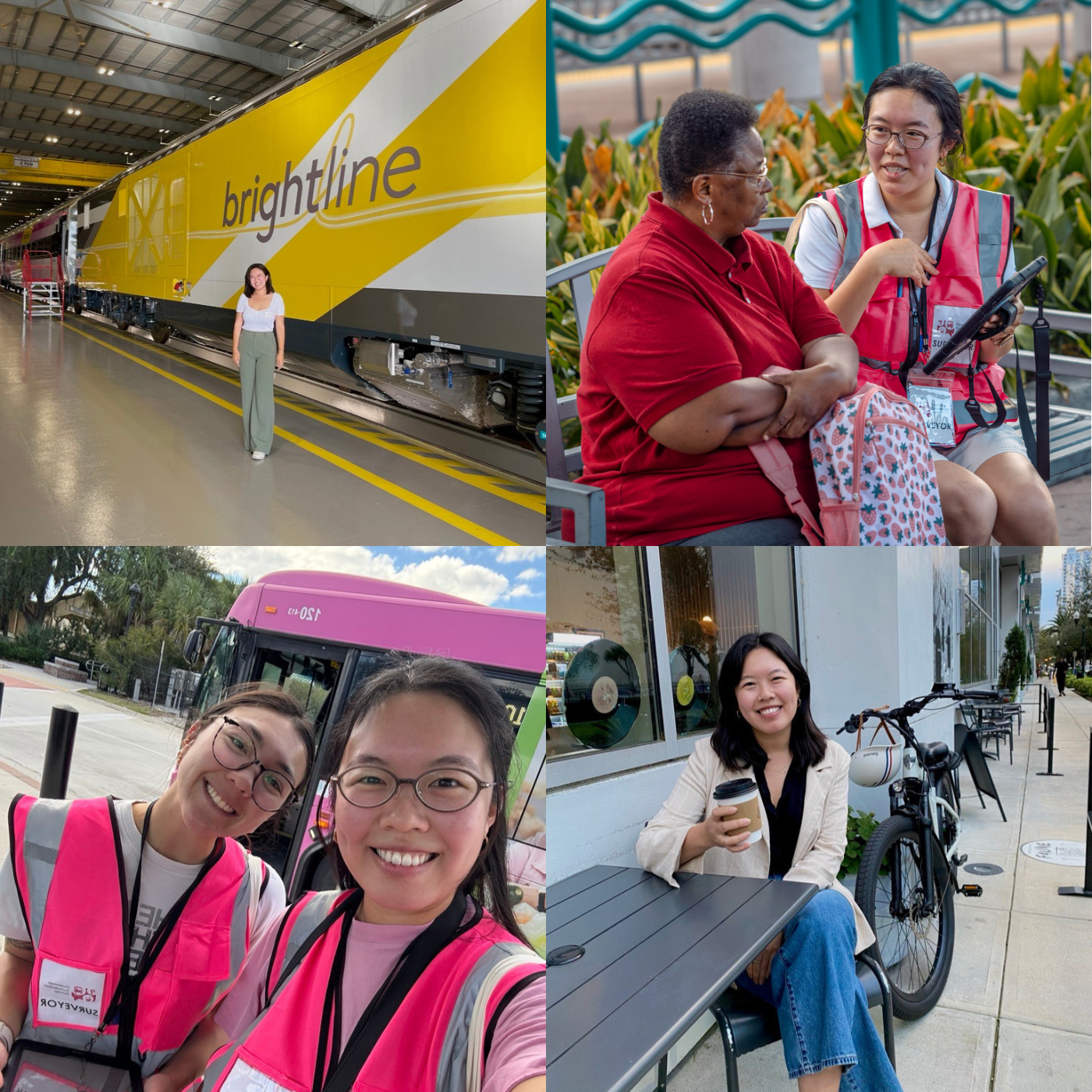
Once I became involved the Urban and Regional Planning Program student organization (Urban Knights), I started inviting different firms and agencies to speak to students about job and internship opportunities. I actually stumbled upon Kittelson through Instagram. Basically, I thought, “Oh, this company does really cool stuff, and they’re in Orlando. Let me see if I know anyone that works there”. Lo and behold, Riva Heinrich was a graduate of the Master of Science of Urban and Regional Planning (MSURP) program and was willing to speak to Urban Knights about Kittelson and transportation planning. In the urban planning program, there was a heavy emphasis on public-sector planning, so being a city planner (working for a city or other public agency), with less focus on what consulting could look like. So I asked Riva to talk a little bit about that. After those conversations, I inquired about an internship.
What do you like to do outside of work?
I really like using a different part of my brain when I’m creating things with my hands outside of work. I love baking, pottery and ceramics, building furniture, anything on the arts and crafts side of things. I’m also happy to partake in “grandma hobbies”. I’ve tried crocheting and knitting. I’m not very good at it yet, but I would like to do more.
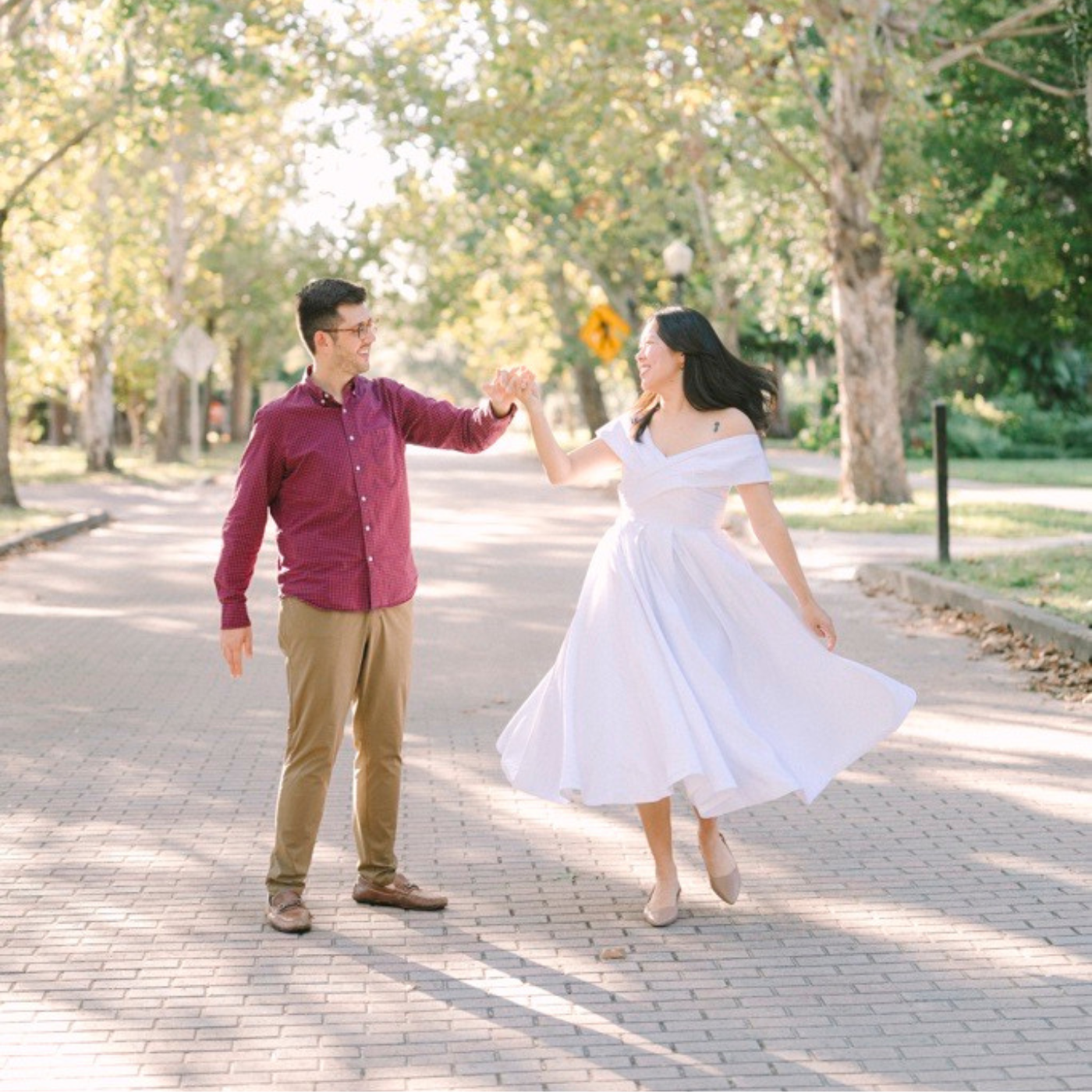
Outside of work I also love just hanging out and chatting with other transportation folks. I feel like we speak the same language most of the time and I end up being friends with a lot of our clients. We talk about life in general, not just the projects we’re working on together. It’s nice to remember we’re all on the same team when we’re trying to move projects forward. There are so many facets to the work we do that sometimes we forget we’re also just people with interests outside transportation. I say this as someone who’s married to a transportation professional.
I mostly think about transportation both at work and outside of work, so having that complete separation (baking, pottery, and other hands-on hobbies) helps me turn my brain off and come back to work refreshed. Also, I have three cats that keep me pretty busy.
What parts of your work do you find most interesting or energizing?
Don’t get me wrong, the technical stuff is fun. But the most energizing and rewarding part of being a planner in the transportation world is bringing stakeholders together around a common goal and getting a project through to implementation. A lot of times, it’s easy to get caught in your own silo and focus on “the data is telling me this” or “public engagement is telling me this,” but if you don’t understand the larger goals of the agency you’re working with, it can be hard to get your project implemented. So the most rewarding part is when we’re able to do things like that.
An example of this is a transit-oriented development project here in Orlando. It’s an interesting one because our main client was LYNX, the transit agency, which partnered with the City of Orlando for the study. It was important for us to build buy-in from other city departments like Land Use and Zoning. If we don’t have land use to support transit ridership, then we’re designing in a vacuum. We’d be looking at alternatives that don’t make sense in a real-world context. It’s important to get those people at the table so we can understand their processes and needs, and then provide recommendations.
What advice would you give someone who wants to pivot into a different specialty?
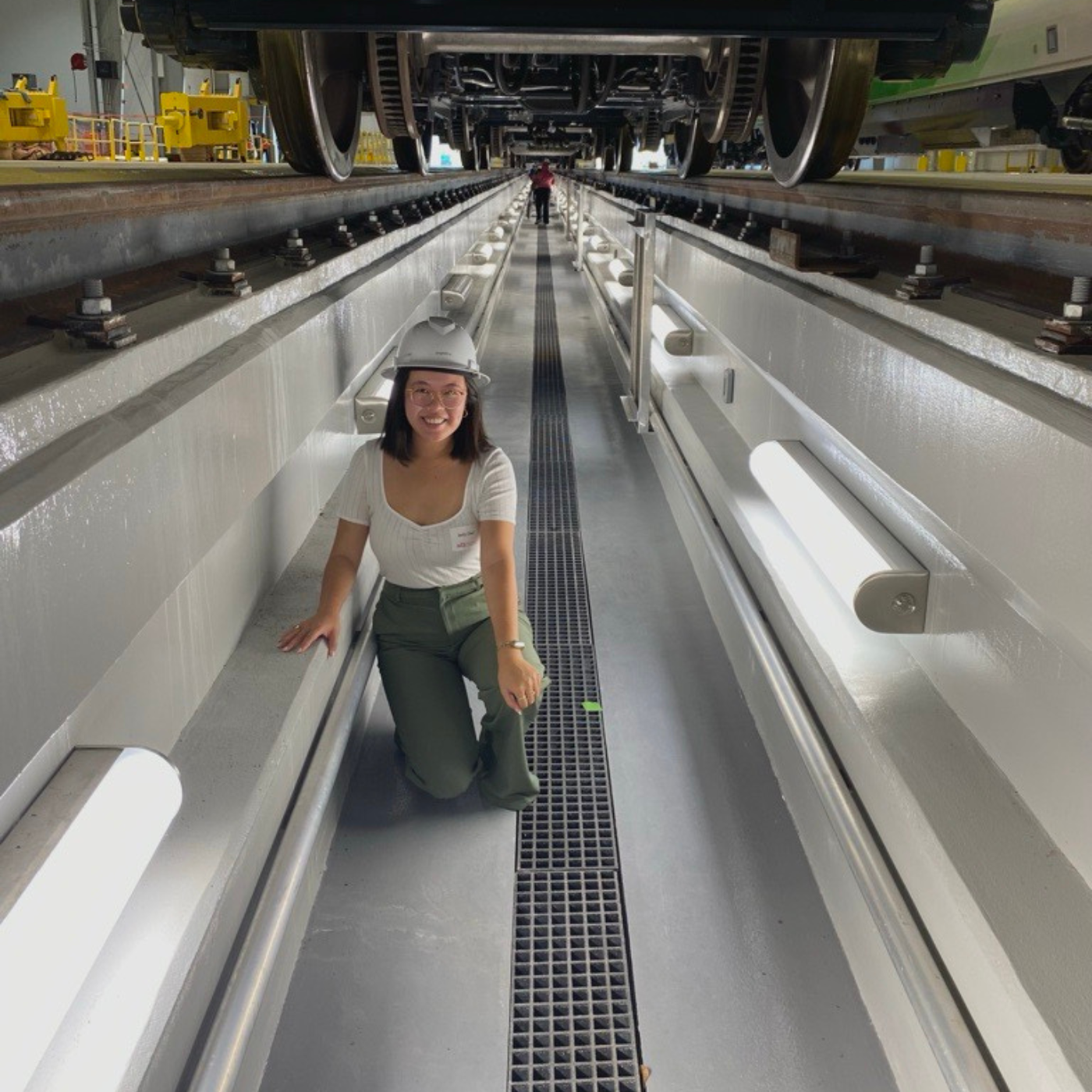
I like this question! We get intern candidates all the time who interview with us and say “Well, I don’t have a civil engineering degree. Can I do transportation?” and the answer is: of course. If anything, coming from a different background can only help you in transportation. With my background in environmental studies, I’m able to bring that lens to the projects I work on, and that might not otherwise be there. For example, if we’re adding more lanes to a roadway, we’re adding more impermeable surface. How does that impact flooding risk? How are pedestrians going to interact with that space during extreme heat, for example? Or if we lose power, how will this intersection operate?
I was on the track to continue on with sustainability work and realized that I could make a much bigger impact for the environment, and for people who live on this earth, through transportation and through the built environment than I could have by looking at greenhouse gas emission all day long. And as much fun as that is, it’s way more fun to design spaces for people so they don’t have to think about their greenhouse emissions. For example, if you’re taking a bus and there’s a lot of people on that bus, those offsets calculate themselves, right? Those people don’t have to actively choose to be sustainable when you’re living in a space that provides those options for you.
So being able to use your completely different background is helpful in the context of others. It broadens the perspectives of people that you work with as well. They may not have thought about flood risk could, or how the heat island effect could impact a really wide shared use path with no trees. It’s super cool to be able to bring your own perspective as you pivot to a different specialty.
What type of work are you most drawn to right now, and what about it fits your strengths and interests?
Right now, I’m most drawn to projects that combine land use and transportation. The example I talked about earlier is really interesting because we’re not looking at the roadway in a vacuum. To operate a street network the way you want it to function, you have to understand the land use surrounding it. If land uses follow a Euclidean zoning model (single uses separated from one another), then everyday needs like grocery shopping, school, or work are all far apart. That can put pressure on the transportation network and make it harder for people to use anything other than a car. We want to provide options so people can drive, take transit, bike, or walk safely wherever they need to go. Work that considers the context a roadway sits in is really interesting to me. Luckily, a lot of the work we do at Kittelson reflects that. Context is really important, and we’ve been integrating that framework into our work (and helping write national guidance to support it).
Fast Lane Facts:
Digital tool you use most often?
GIS
App you can’t live without?
Calendar App
Go-to comfort food after a long day?
Congee (Chinese rice porridge) – you don’t have to chew that much!
Favorite FL bike route?
Orlando Urban Trail from downtown up to Ivanhoe Village/Virginia Drive
Morning drink of choice?
Homemade iced matcha with oat milk