
December 3, 2025

Over the past century, downtowns have navigated an identity crisis, one shaped by suburban flight, waves of reinvestment, and most recently, the abrupt emptying of urban cores during the COVID-19 pandemic. Cities across the U.S. are working to understand what makes a downtown thrive in today’s world, not only because downtowns anchor a city’s cultural identity, but also because they can serve as powerful economic engines for their broader communities.
Inspired by our recent work leading a community redevelopment plan for Tampa, Florida, this article reflects on the evolving role of downtowns, the importance of informal social exchange, and the strategies community redevelopment agencies (CRAs) can use to foster vitality and resilience.
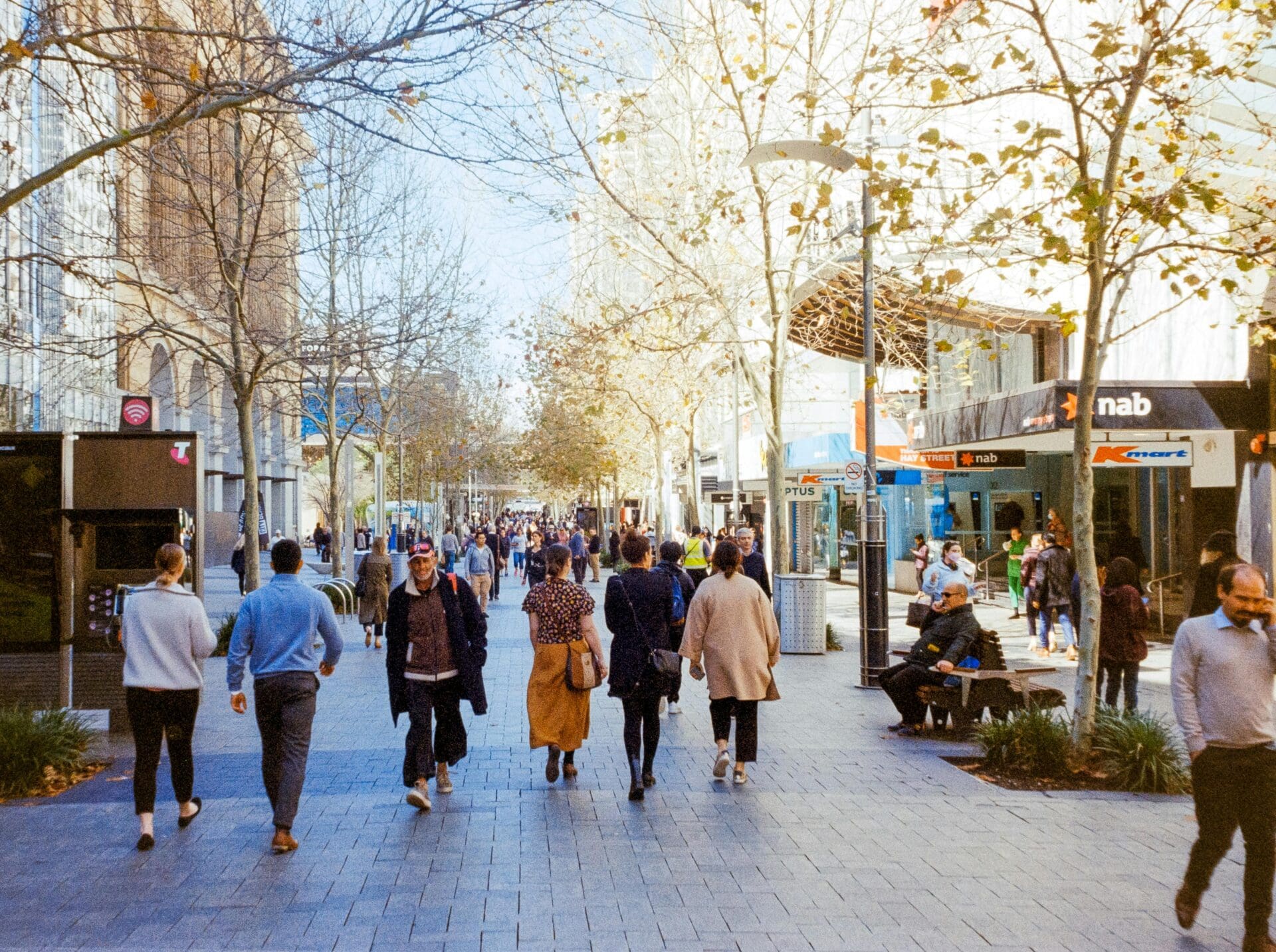
Cities across the U.S. are working to understand what makes a downtown thrive in today’s world.
The Retreat, Return, and Reinvention of Downtown
Downtowns were once the lifeblood of American communities—dense, walkable centers where people lived, worked, and socialized. But following World War II, cultural ideals shifted and the suburban dream of a large home and spacious lot drew many people out of the urban core. Between 1950 and 1970, the suburban population in the U.S. nearly doubled. Downtowns began functioning more like employment centers than 24/7 neighborhoods, and infrastructure like one-way street pairs was designed to usher commuters in and out daily, leaving downtowns quiet and underutilized after hours. Retail followed rooftops, migrating to suburban malls and commercial strips.
Yet over the past few decades, a renewed interest in urban living has sparked a transformation. In the 1980s and 1990s, downtowns began to reassert themselves as cultural and entertainment hubs through investment in convention centers, sports arenas, and arts districts, as well as with the involvement of Business Improvement Districts (BIDs) and public-private partnerships. Expanded transportation options, such as transit-oriented development and better walking and bicycling facilities, made downtowns more accessible and attractive to young professionals and empty-nesters seeking vibrant, connected lifestyles. “Cities Boom Once Again: Census Numbers Affirm an ‘Urban Renaissance,’” wrote USA Today in a 2001 headline.
Enter 2020, when the COVID-19 pandemic exposed a lingering vulnerability: downtowns still relied heavily on office workers to generate daily activity. When people stopped commuting to office buildings, the energy downtown appeared to vanish overnight. Even as offices reopened, many cities struggled with quiet streets and underutilized spaces. A Stanford study published in 2024 reported that since the pandemic, the 12 largest U.S. cities have cumulatively lost 8% of their downtown residents.
As workers continue to opt for remote, hybrid, and flexible setups, what does this mean for downtowns today—and in the future? The pandemic created a pivotal moment, offering cities a chance to reimagine downtowns not as business parks, but as dynamic neighborhoods that support living, socializing, recreation, and culture. By shifting the focus from office space to community-oriented uses, cities can build urban cores that once again serve as gathering spaces. A downtown’s greatest strength, the ability to bring people together, remains a powerful force for renewal.
By shifting the focus from office space to community-oriented uses, cities can build urban cores that once again serve as gathering spaces.
The Foundation of a Vibrant Downtown: Unplanned Exchanges
Downtowns have always thrived on social exchange. Spontaneous interactions—greeting a passerby, chatting with a barista, or people-watching from a park bench—create a sense of connection and community. These “unplanned exchanges” are essential to urban vitality and overall mental health.
But when downtowns evolved into commuter hubs, much of that energy faded. Office buildings filled during the day but emptied at night. Retail and restaurants catered to workers grabbing lunch or running errands. The shift to more remote work, accelerated by the pandemic, has meant that even people working from an office are often taking meetings from their desks, reducing the chance for unplanned, in-person interaction even further.
So where are the unplanned exchanges happening now? We’ve seen the vitality that once defined downtowns reemerging in places designed for informal connection: coffee shops, microbreweries, food truck courts and food halls, and parklets. Parks and trails have become social spaces as much as recreational ones. People want to feel part of something, and downtowns that embrace this shift through creating destinations for activity are the ones that thrive.
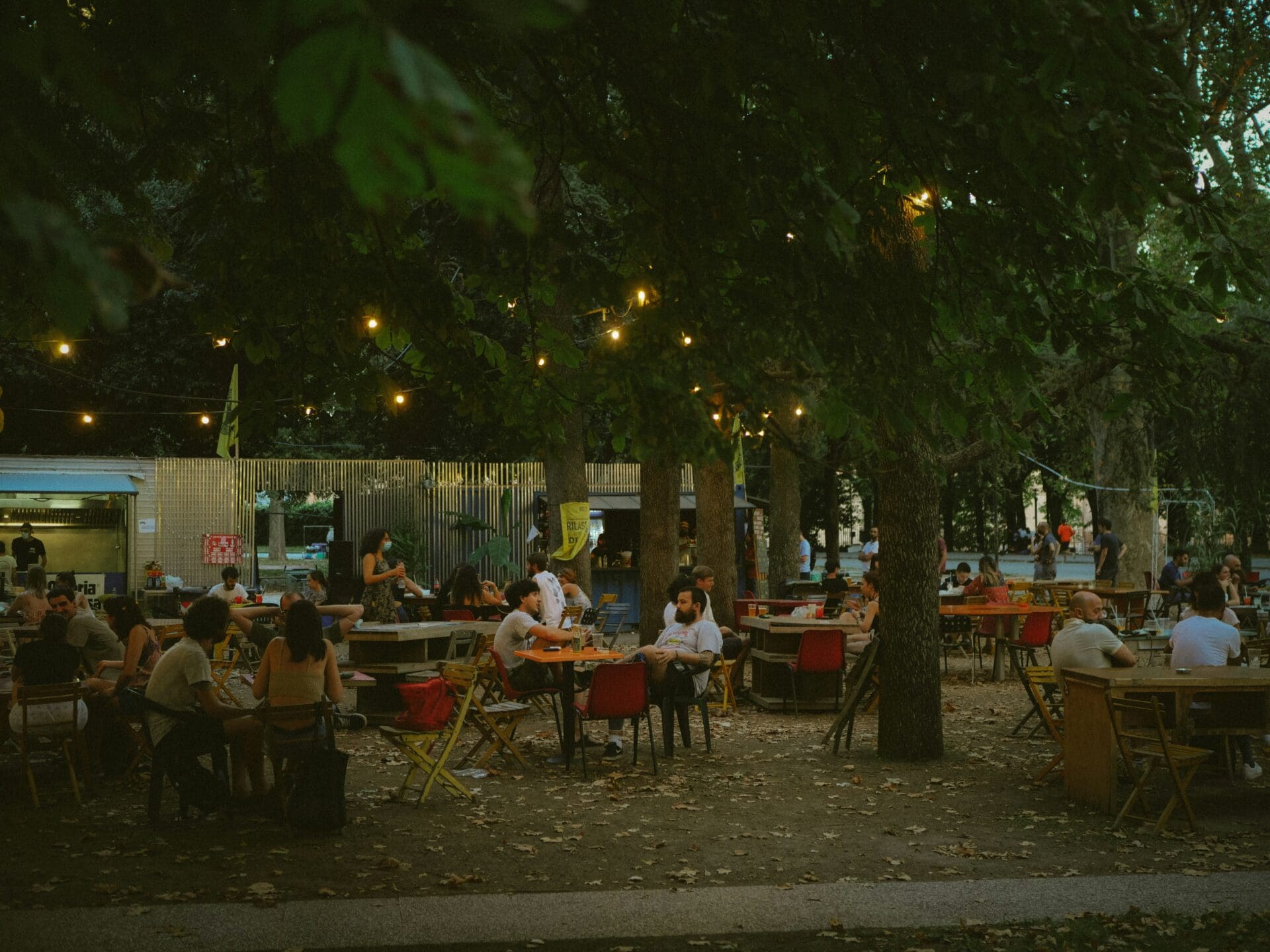
We’ve seen the vitality that once defined downtowns reemerging in places designed for informal connection.
According to a study titled “Downtowns Rebound: The Data Driven Path to Recovery,” Nashville, Tennessee showed a 100% rebound in downtown activity (combining workers, residents, and visitors) compared to pre-pandemic levels (2023 versus 2019). The city was successful in reasserting itself as a vibrant place to live and visit through a coordinated effort among property owners, businesses, city agencies, and civic organizations to create an enjoyable, safe, and well-maintained downtown. In fact, for Nashville, visitors exceeded pre-pandemic levels. Cities are proving that 2020 was not the end of the Urban Renaissance, and places that spark interaction, belonging, and shared experiences are leading the way.
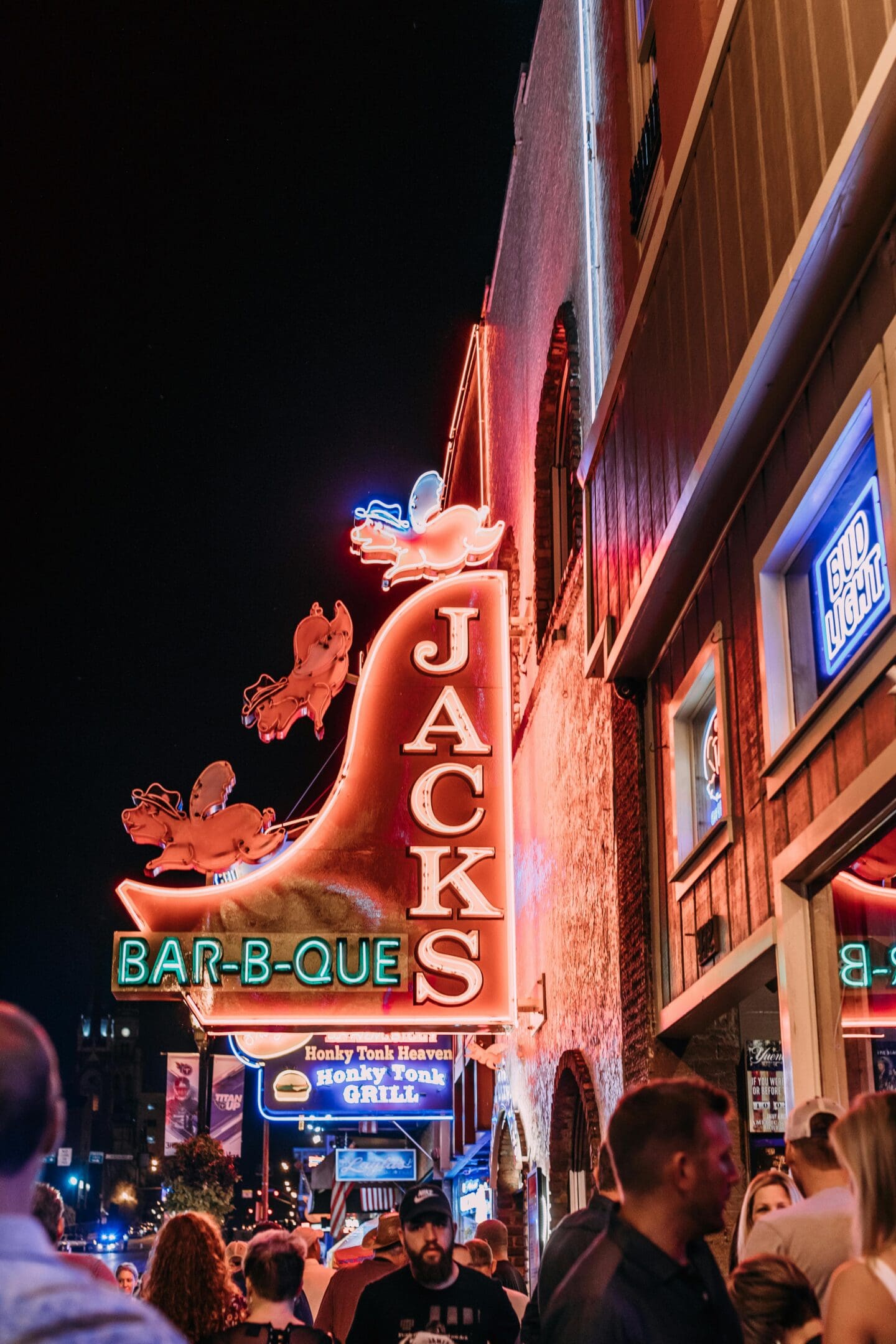
Nashville has been successful in reasserting itself as a vibrant place to live and visit after the COVID-19 pandemic.
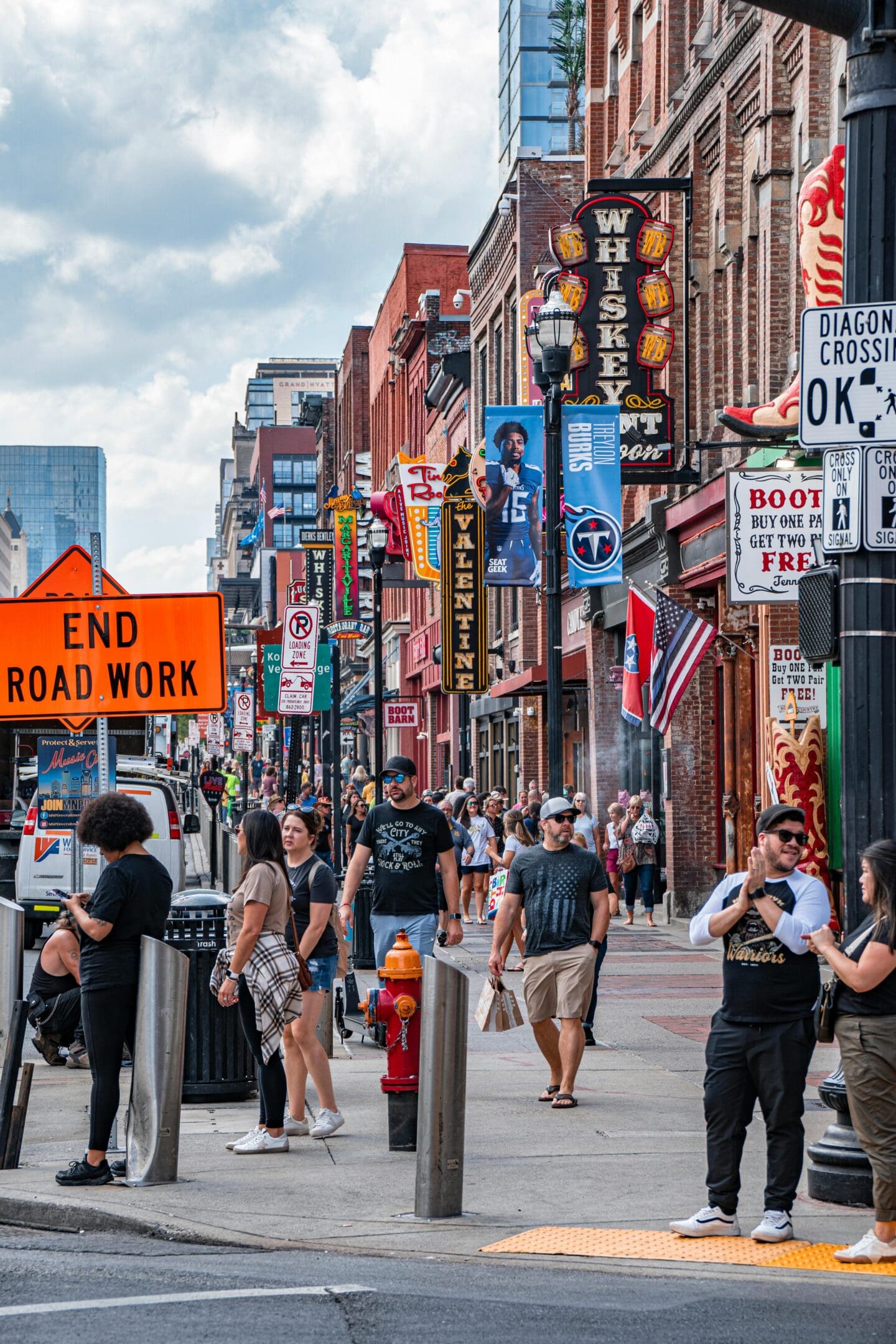
In fact, a 2023 study showed that visitors exceeded pre-pandemic levels.
The Essential Role of Community Redevelopment Agencies in Downtown Areas
One key mechanism that enables cities to strengthen the social fabric of their downtowns and sustain this renewed energy is the Community Redevelopment Area (CRA). A CRA is a public entity established by a city or county to revitalize areas experiencing economic decline, underdevelopment, or blight, including deteriorating public spaces. Often described as a “city within a city,” a CRA operates with a focused mission and dedicated funding to improve a specific area, allowing it to implement targeted strategies that might be difficult to pursue at the broader municipal level.
CRAs exist across the United States under different names and structures. In Florida, the setting for our recent downtown redevelopment work, CRAs are typically funded through tax increment financing (TIF). This powerful policy tool captures the increase in property tax revenue generated by rising property values within a designated area and reinvests it locally to support infrastructure, public space improvements, and other initiatives that encourage revitalization.
From a CRA’s perspective, downtowns are uniquely positioned to drive both economic and community outcomes. Unlike suburban areas, which often lack the density and concentrated tax base necessary to fund large-scale improvements, downtowns can generate the revenue needed to support broader municipal goals. By encouraging mixed-use development and strategic density where it is expected and welcomed, CRAs can maximize the return on TIF investments, helping downtowns flourish not only as regional economic engines with far reaching impacts, but also as vibrant, walkable centers of community life. A Community Redevelopment Plan (CRP) serves as a guidebook for these efforts, outlining how TIF dollars should be strategically spent to address blighted or underinvested conditions so that revitalization benefits the whole community.
A Downtown at a Crossroads: Tampa’s Journey to Reinvestment
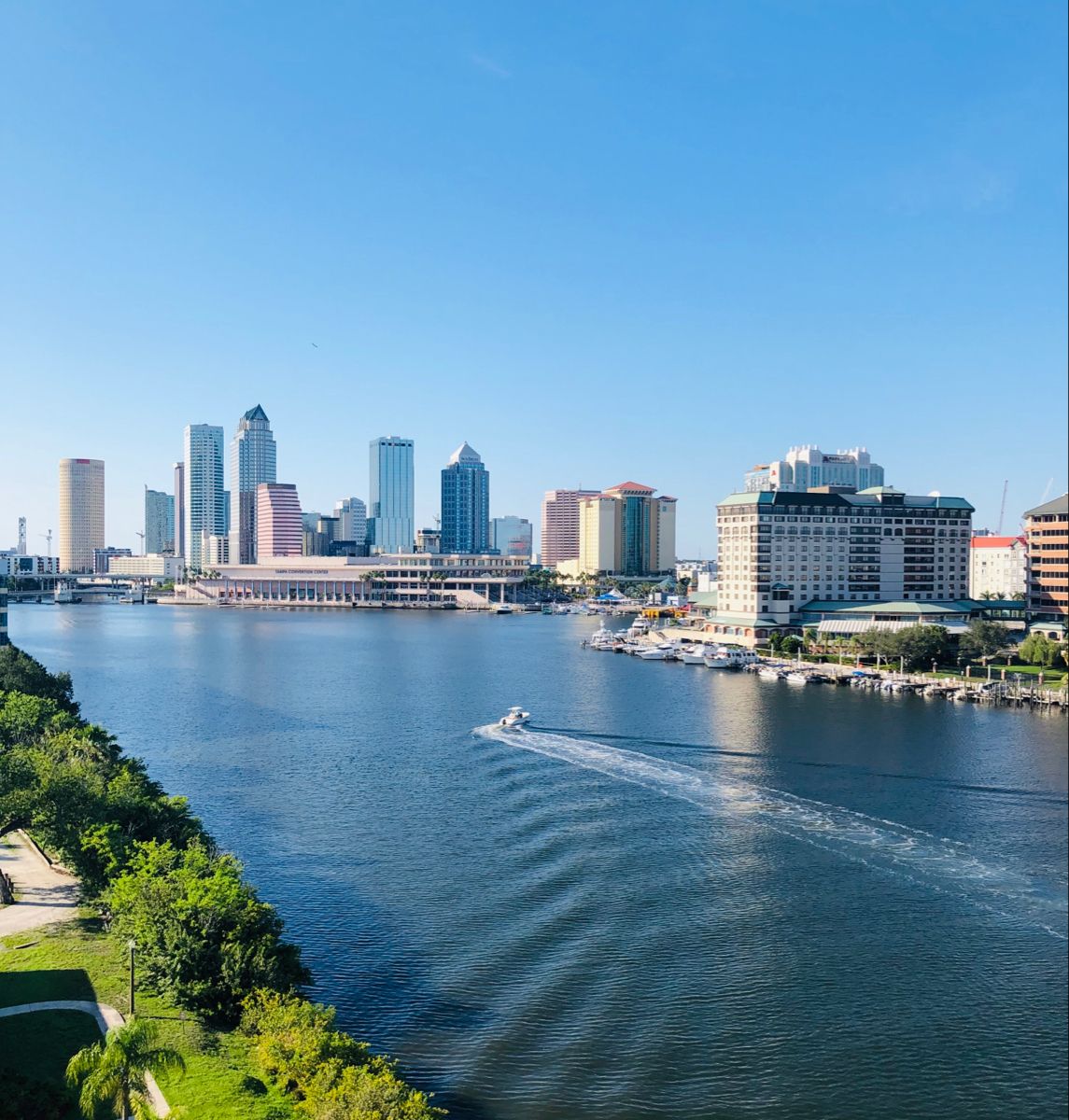
A Kittelson team recently had the opportunity to lead a CRP update for the City of Tampa’s Downtown Community Redevelopment Area, an exciting endeavor for us not only because of our long connection and history of working in Tampa, including leading the Tampa MOVES Plan, but also because the plan had not been updated since the CRA was established in the early 1980s.
For some perspective, at the time of the Downtown CRA’s establishment, Back to the Future was coming on the scene as a box-office hit, and you might be serenaded by the smooth saxophone solo of Wham!’s Careless Whisper (Billboard’s No. 1 song of the year) on the way to the theater. At that time, Downtown Tampa was struggling with vacant lots, unoccupied buildings, and sluggish interest from private investment. The original CRP prioritized investments to elevate the downtown’s economic status, like an arts center (now the Straz Center), a convention center (now one of the largest convention centers in the state), and the Harbour Island People Mover (the history of which was very enticing for us transportation nerds)—in other words, keystone projects that have either been long established or long removed.
When we kicked off our project in 2022, you can imagine that the downtown area had changed significantly since the heyday of Doc Brown, Marty McFly, and George Michael. Conversely, the original CRA plan had changed very little. With such a different urban landscape today, the challenge we and the City faced was imagining how the CRA could continue advancing meaningful projects while relying on goals set more than four decades ago.
Photo by Eric Statzer on Wikimedia Commons, CC BY-SA 4.0.
With such a different urban landscape today, the challenge we and the City faced was imagining how the CRA could continue advancing meaningful projects while relying on goals set more than four decades ago.
Additionally, there was discussion about whether the Downtown CRA had fulfilled its purpose and should continue to be funded, given competing priorities citywide. Our team held this question as we entered into discussions with 30+ stakeholders—from major business enterprises to local community organizations to elected officials—and conducted a robust existing conditions analysis, highlighting the downtown CRA’s biggest needs. These included:
- Environmental infrastructure: 90% of the CRA area is at risk of flooding during a Category 3 hurricane, highlighting urgent resilience needs.
- Land use and economic development: 28% of CRA land is vacant or underused, with outdated infrastructure and remnants from razed buildings. The area has 24,000 parking spaces (double the 1980s projection) yet the downtown retail center that was supposed to drive the need for parking was never built.
- Transportation: Despite goals for walkability, single-occupancy vehicles dominate. Crashes within the CRA rose 40% between 2017 and 2021, and nine of its streets fall into the Citywide High Injury Network.
- Housing affordability: Downtown residents need 20% more income than the city average, with rents 47% higher and few affordable options, contributing to high vacancy rates.
- Historic preservation: There are currently 23 national and locally designated historic places within the CRA, but many are in dilapidated condition, and they face restoration challenges due to code compliance costs and storm vulnerability.
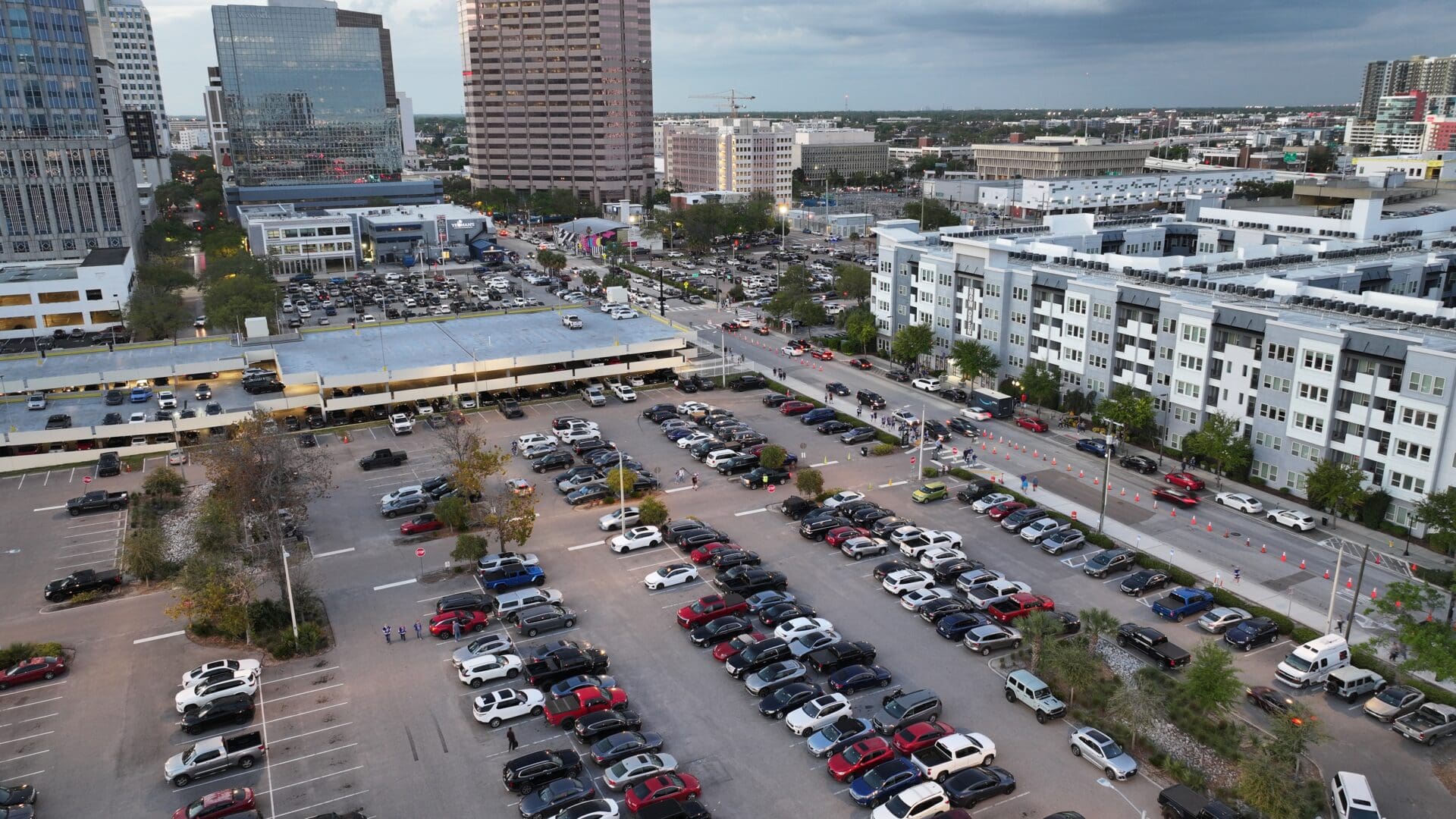
An existing conditions analysis showed that Tampa’s downtown area has 24,000 parking spaces (double the 1980s projection), yet the downtown retail center that was supposed to drive the need for parking was never built.
Given the area’s evolving needs and the length of time that had passed since the CRA initially set strategies to improve downtown vitality, its decision-makers sought to revisit the plan’s mission and goals. Our team worked closely with them to define a downtown vision and translate it into seven sets of measurable goals: environmental infrastructure, land use and economic development, transportation, public safety, affordable and attainable housing, urban design, and historic preservation.
Developing a Vision of Vitality for Downtown Tampa
Kittelson and the Downtown CRA set ambitious goals for the plan. It needed to serve as a strong, policy-forward document that complied with Florida statute, while also incentivizing private investment and clearly defining the objectives for CRA funding. At the same time, the plan had to address the human-scale impacts CRAs are designed to tackle, eliminating slum and blight conditions while revitalizing social connections through carefully targeted projects supported by CRA funds.
The updated CRP establishes a clear framework for reinvestment built around three elements: goals that define measurable outcomes, policies that guide decision making, and strategic actions that outline purposeful steps to achieve the goals. This structure gives the CRA a way to evaluate projects, programs, and developments so that the initiatives they support contribute to its overall vision. While a single initiative does not need to address every goal or policy, it must clearly advance at least one goal and follow an associated strategic action(s). In this way, the CRP leverages policy language as a tool to guide decision-making, coordinate investment, and achieve meaningful, targeted revitalization outcomes.
As an example, one of the Downtown CRA’s key goals is to create a more permeable and connected street network, breaking up large blocks and completing the street grid to make downtown Tampa more walkable, accessible, and socially vibrant. The policies that guide these efforts might include engineering and planning studies to understand transportation issues and coordination with the City Mobility Department, the Hillsborough Transit Authority (HART), the Florida Department of Transportation, and other agencies to address street network challenges. Projects, programs, and developments looking to utilize CRA funds for this purpose must address one or more of the strategic actions that support the transportation goal: making the street grid more efficient and walkable, improving links under I-275 and the Selmon Expressway to stitch neighborhoods back together, and opening up access to the Riverwalk, parks, cultural venues and institutions, and the TECO Streetcar so downtown feels easier to explore and enjoy.
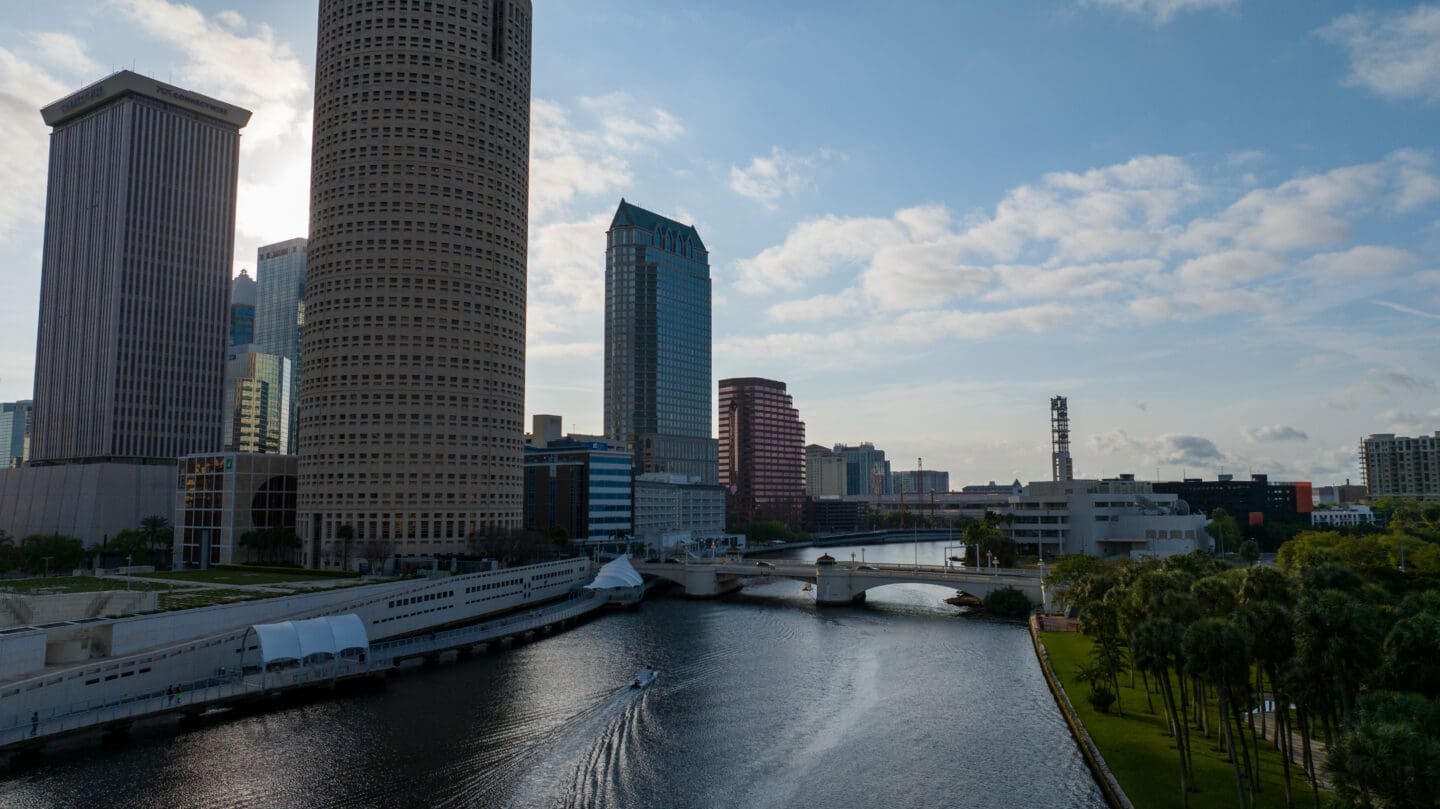

A common theme of our discussions with the CRA, and the resulting priorities and plan, was the need to reimagine Tampa’s downtown as more than a place to work—it’s also a place to live and play. As noted above, long-term trends toward remote and hybrid work means office buildings are a fickle foundation for a vibrant downtown. Just as we build redundancy into transportation systems to keep them resilient, we need layers of vitality—overlapping and diverse opportunities for living, working, and recreating—in downtowns so they remain relevant and adaptable. That means adding affordable housing and creating spaces for recreation and social connection. Parks, plazas, and cultural amenities aren’t add-ons; they’re essential to a thriving urban core that invites informal connections and social exchanges both inside and outside of work.
Ultimately, through our planning process, we were able to demonstrate that the Downtown CRA’s role is evolving, not ending. Since it’s not tied to any one project but rather operating at a bird’s eye view, the CRA is uniquely positioned to support projects that bring life back to the heart of the city. The updated plan reaffirmed the CRA’s value and earned unanimous support from the Tampa City Council to continue its work.
The updated plan reaffirmed the CRA’s value and earned unanimous support from the Tampa City Council to continue its work.
4 Takeaways from Tampa’s Plan
Our work with Tampa’s CRA was a meaningful opportunity to help shape the future of a downtown in transition. Here are a few insights we gathered through the process that may be useful to other cities ready to translate vision into action:
- Understand your target markets. As part of defining your vision and goals, clarify who you want to attract and what they need. Tampa’s Downtown CRA sought to attract more families and young professionals not making a standout salary to live in the urban core. Another unique gap we identified in Tampa was workforce housing for the convention center, as most of its employees were commuting in more than an hour.
- Weight metrics to match your priorities. Sifting through potential projects is overwhelming until you have a clear rubric for project evaluation that’s built from your specific goals and vision. Use a weighted metric system so projects align with your goals—for example, if walkability is a top goal, give walkability metrics more influence in project scoring. This directs your resources to go toward what matters most and creates practical mechanisms for carrying out your vision.
- Balance historic character with modern uses. One challenge CRAs often face is balancing historic character with modern functionality. When cities try to counter stagnation, they can sometimes overcorrect, replacing character-rich spaces with designs that feel out of place. Tampa offers thoughtful examples of preserving building exteriors while adapting interiors for new uses. One is the Franklin Street Vision project, which was approved in 2024 with the aim of restoring Tampa’s original “main street” through brick street restoration, infrastructure upgrades, and public gathering spaces, creating a walkable destination that invites small businesses and community life.
- Design public spaces to support both activity and connection. Of course, a safe and attractive space is the foundation for drawing people downtown to live and play. But these spaces must feel inviting, not just functional. Support events and activities that bring people together and consider hiring downtown ambassadors: trained staff who serve as friendly guides, provide directions, assist visitors, and act as extra eyes and ears to enhance safety. Just like an employee at a retail store is there to greet people who walk in the door, help them find what they’re looking for, and make them feel welcome, ambassadors help create an inviting atmosphere that encourages people to linger and explore. These efforts can turn public spaces into destinations where people want to linger and return.

Stone Street Gardens in downtown Dallas, Texas. Photo by MasonPelt on Wikimedia Commons, CC BY-SA 2.0.
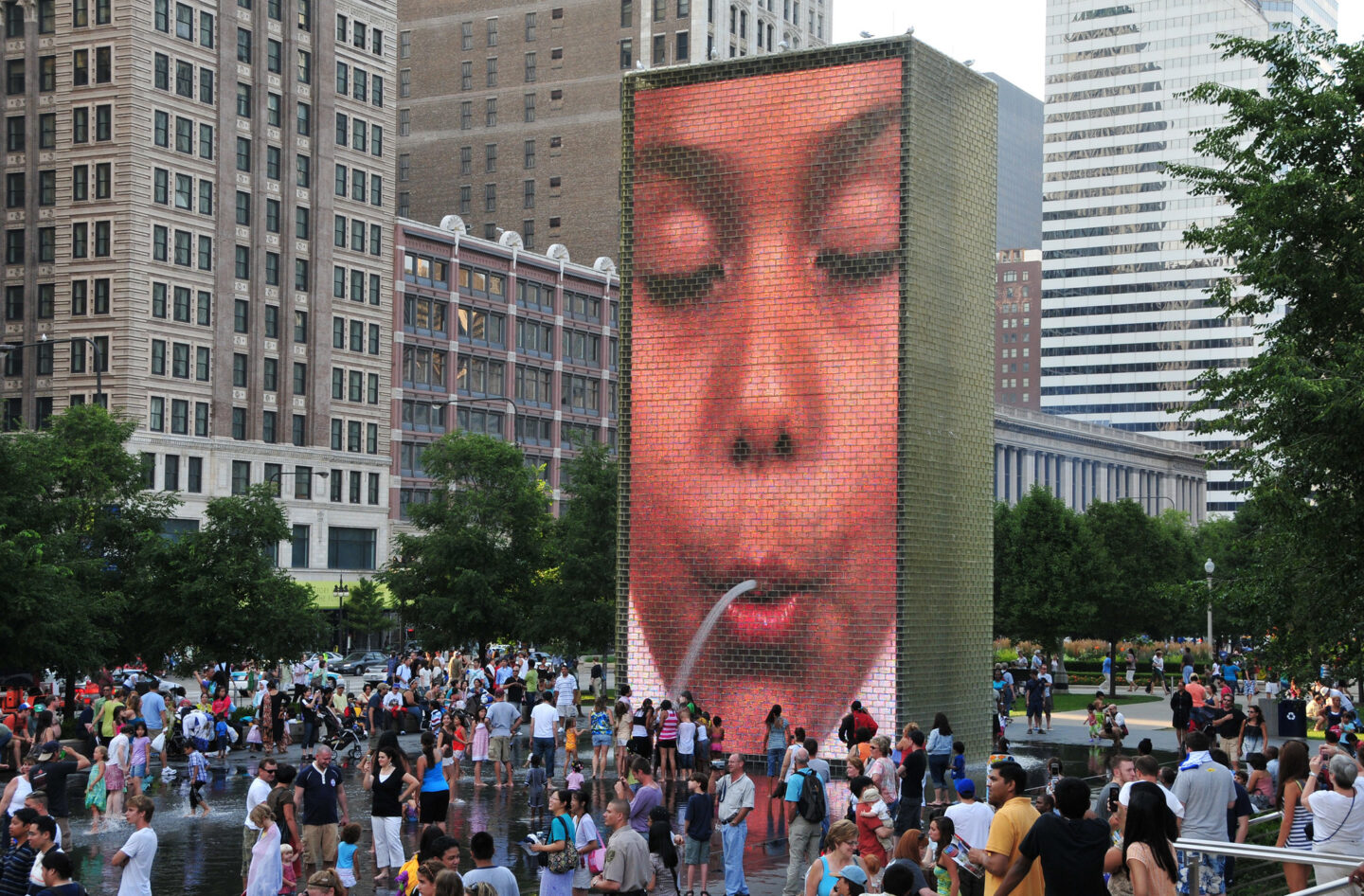
Crown Plaza in Chicago, Illinois. Photo by Serge Melki on Flickr, CC BY 2.0.
Continue the Conversation
In summary, cities are reviving the Urban Renaissance, but not through recreating the past. Our task is to reimagine the future. Rather than functioning as commute destinations, downtowns can evolve into thriving centers of art, food, culture, and identity—essential threads in the urban fabric and economic powerhouses for their regions.
There’s lots more to talk about regarding this topic, and we’re curious about your thoughts as well! Reach out to any one of us to continue the conversation.