Challenge
Palo Alto, California has been at the forefront of bicycle and pedestrian transportation planning since the early 1980’s, when the City developed the nation’s first bicycle boulevard on Bryant Street. A dense, connected street network, a long-standing commitment to bicycle infrastructure, and comfortable weather conditions make Palo Alto an ideal place for walking and biking.
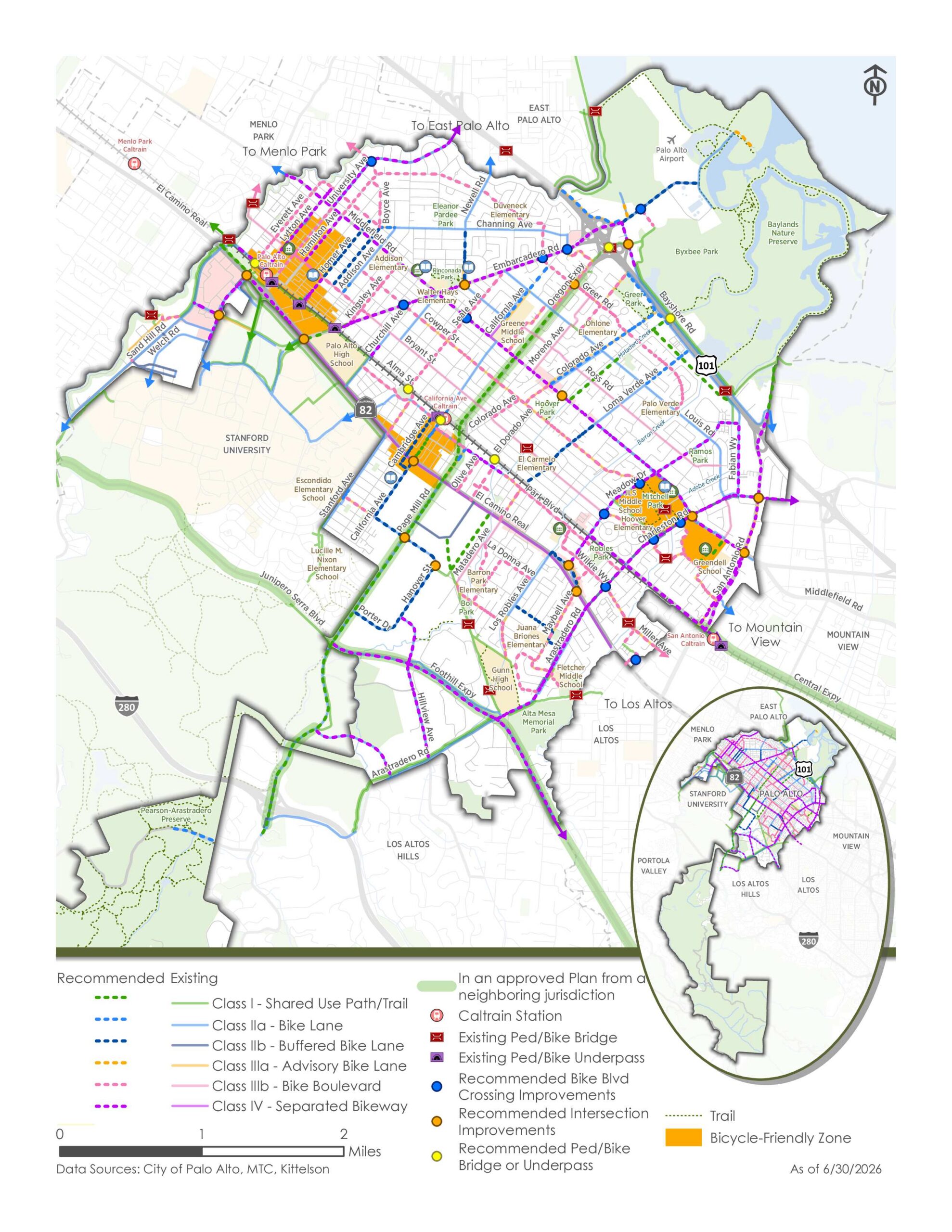
While Palo Alto has an extensive bicycle and pedestrian network, there are still missing links between key destinations, and many residents still face barriers that make walking and biking less safe, less comfortable, and less convenient than driving. The City was looking to build on its strong foundation of active transportation planning and design by developing a connected and low-stress network with its 2026 Bicycle and Pedestrian Transportation Plan (BPTP), inspired by Dutch network design.
Solution
Our team partnered with Mobycon, a Dutch-American consultancy specializing in the development and implementation of innovative and sustainable mobility solutions in communities both in the United States and internationally. Together, we combined rigorous technical analysis with extensive community engagement to develop a plan that responds to current and future transportation needs while still reflecting community priorities and values.
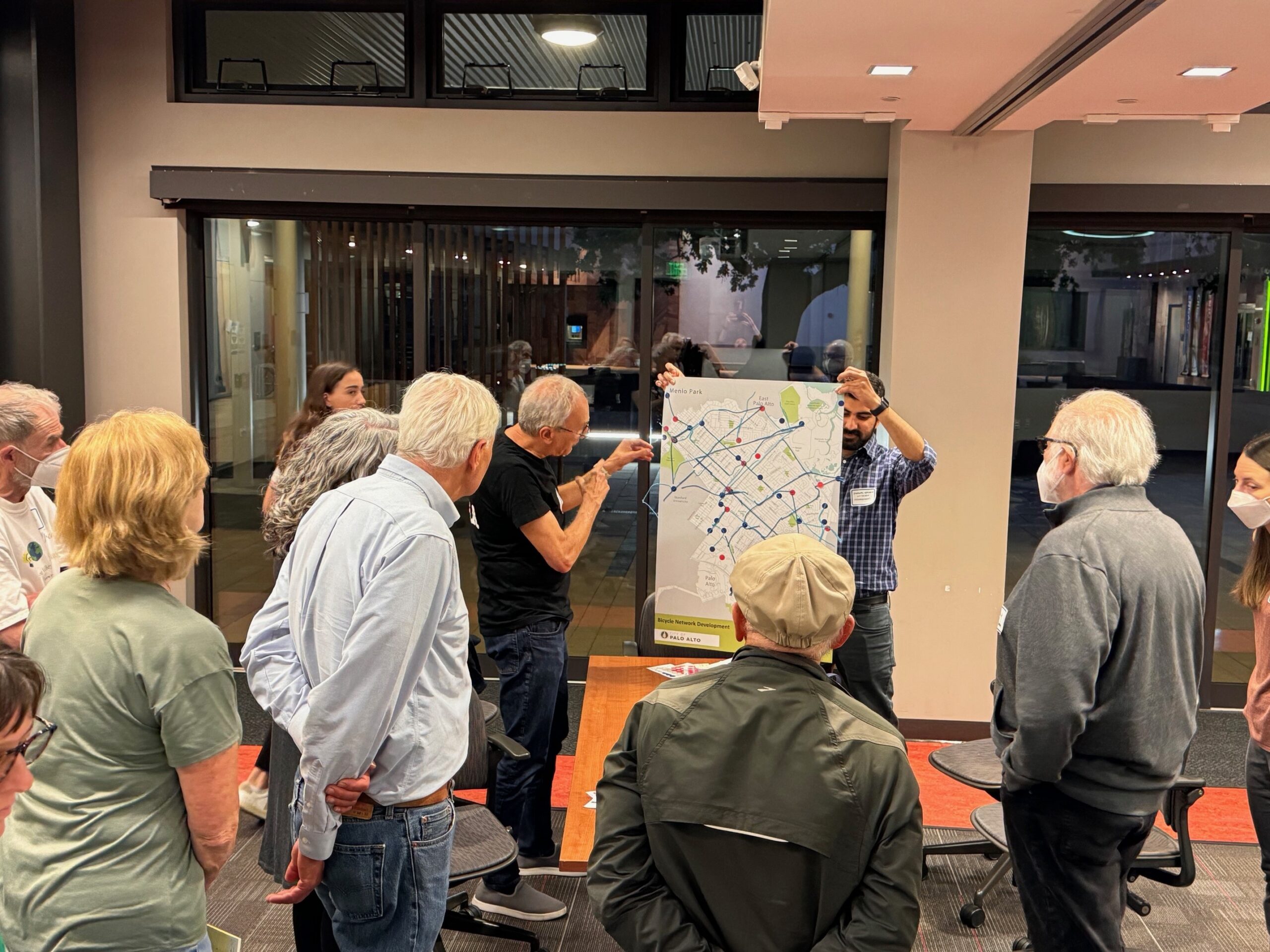
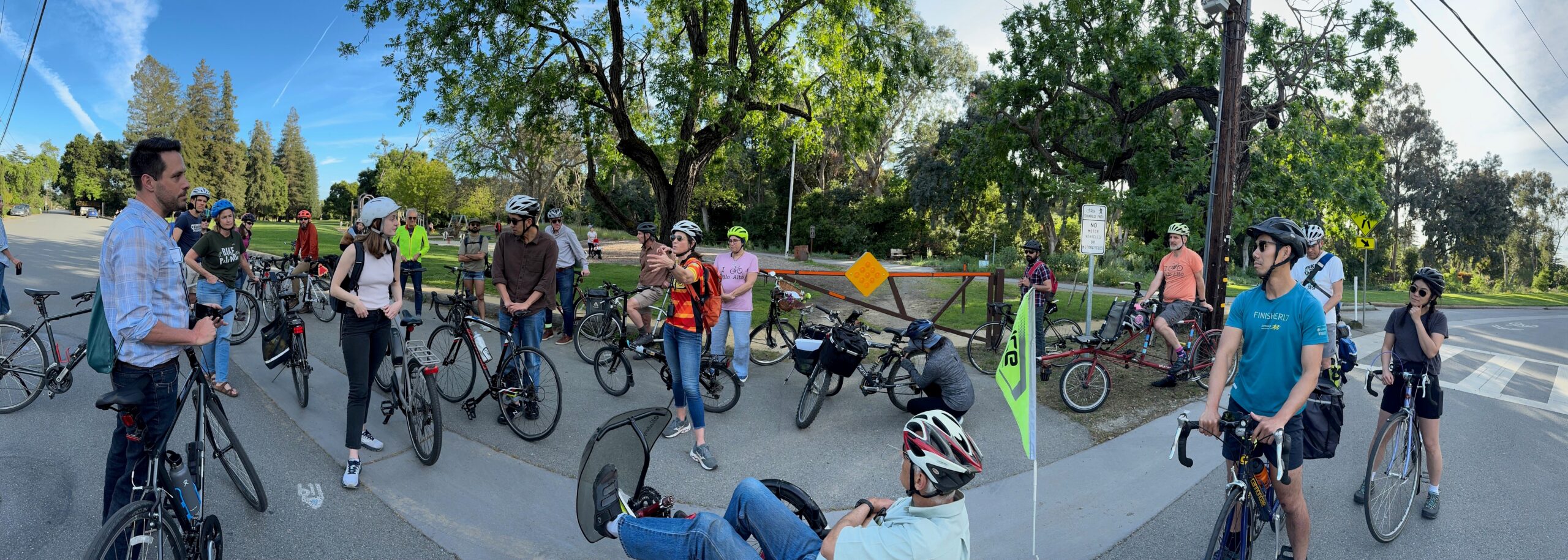
The project team conducted a citywide Bicycle Level of Traffic Stress analysis; evaluated network connectivity; identified barriers to walking and bicycling; analyzed travel patterns and collision trends; and incorporated equity and accessibility considerations to identify and prioritize investments that would deliver the greatest safety, mobility, and community benefits. These technical analyses were complemented by a robust public engagement program—including interactive mapping, online surveys, workshops, pop-up events, stakeholder meetings, and advisory committee discussions—to understand how residents experience the transportation network and where improvements were most needed.
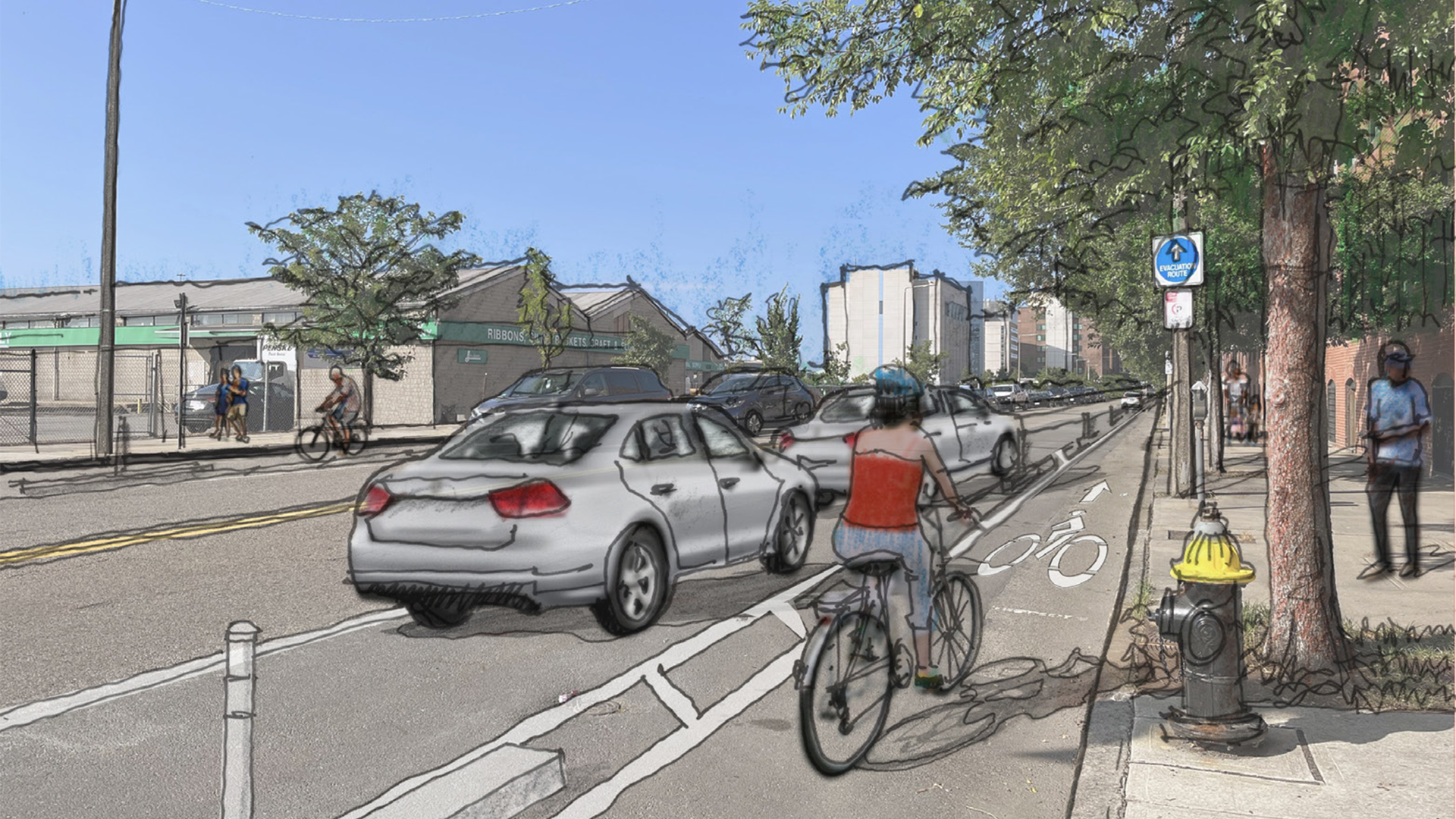
The resulting plan prioritizes projects that close critical network gaps, improve crossings at high-stress locations, strengthen access across major barriers, accommodate emerging travel modes such as e-bikes, and support the City’s Vision Zero, climate, and mobility goals through a practical, phased implementation strategy.

The Outcome
Building on the Legacy of Palo Alto’s Bicycle Network
The 2026 BPTP continues the legacy of the 2012 BPTP to establish a Complete Vision Network and guiding ongoing investments to make walking and biking a safe and practical transportation option for people of all ages and abilities.
In the near term, the City will focus on advancing priority projects identified through the low-stress bicycle network. Moving forward, the 2026 BPTP will serve as a foundation for securing funding, guiding capital improvement investments, and integrating active transportation strategies into broader transportation, land use, and sustainability initiatives.