
October 21, 2026

Transportation professionals spend a great deal of time identifying where crashes are most likely to occur. But an equally important question often receives less attention: if a serious crash does occur, how do we help a seriously injured person survive it?
Since it first launched in Sweden in the late 1990s, the Safe System Approach (SSA) has given industry practitioners and the public a new vocabulary through which to understand roadway safety. The Safe System Wheel, an on-theme graphic, names five “elements” as co-equal spokes that keep it spinning: safer vehicles, safer people, safer speeds, safer roads, and post-crash care. By the logic of the image, if one of these elements were to be removed, the wheel would become inoperable.
And yet one of these elements—post-crash care—has always been an ugly duckling within the transportation industry, least attended to and poorly understood by planners and engineers throughout the practice. There are obvious differences separating post-crash care from the four other elements: it is the only reactive element in an otherwise proactive approach, and its success relies on the participation of many actors—not just transportation practitioners.
Today, we’re taking an existential deep dive into the state of post-crash care. Our goal is to understand what the transportation practice can do to incorporate the element more fully and harmoniously into the practice. To do this, we’ll review the origins of post-crash care and walk through the ways in which it has confounded transportation researchers and practitioners over the decades. Finally, we’ll talk about the ways we’re changing our perspective around post-crash care and some ideas we have that can help roadway safety efforts even after the moment of impact.
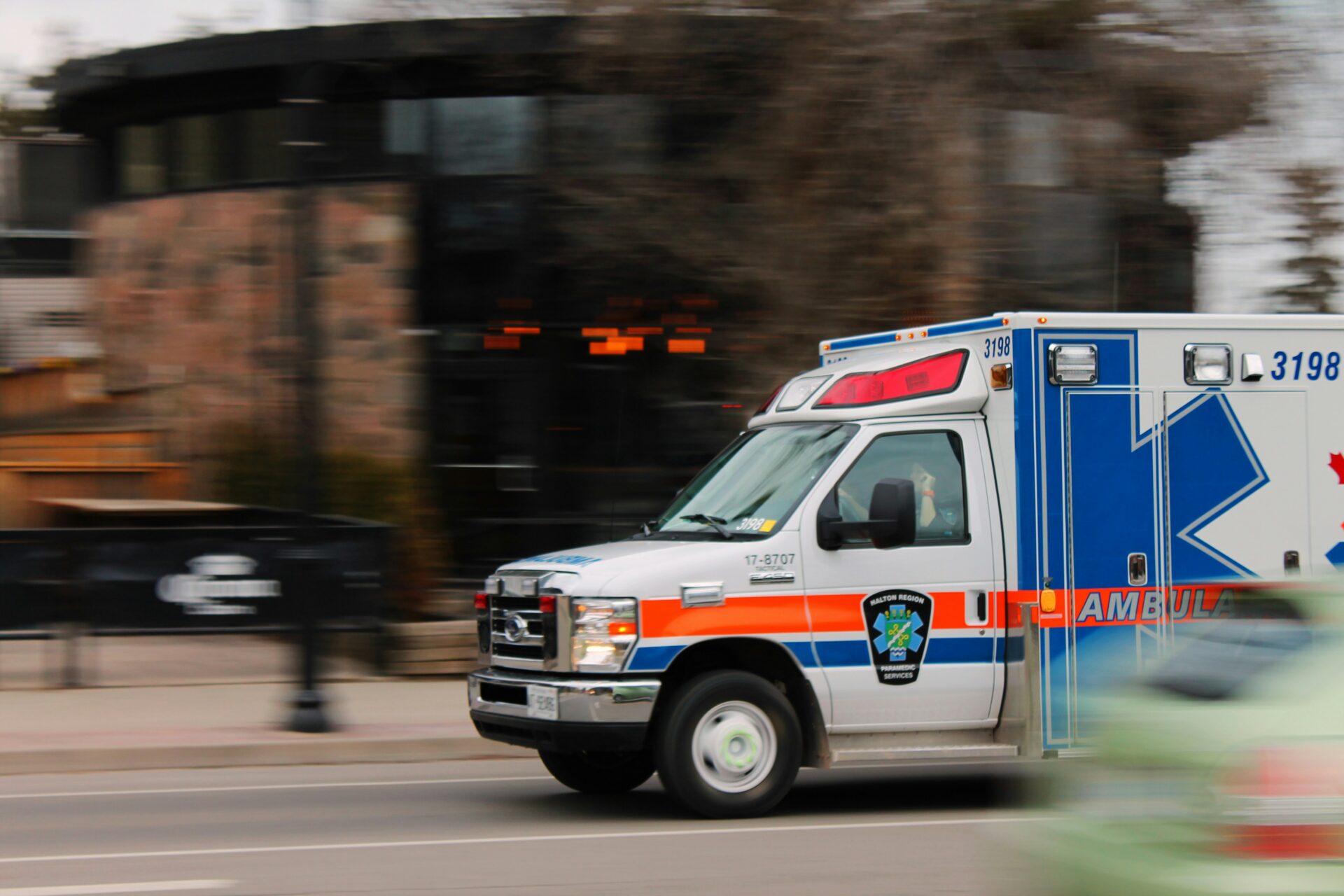
Post-crash care is one of five core elements of the Safe System Approach. It is also one of the most difficult for transportation practitioners to support. Source: Jonnica Hill, Unsplash
A Crash Course History of Post-Crash Care
The FHWA defines post-crash care as the ability of “first responders to quickly locate [crash victims], stabilize their injury, and transport them to medical facilities.” The language here is unambiguous: the essential duties of post-crash care come after a crash and are carried out by people who aren’t transportation practitioners. While the National Highway Traffic Safety Administration’s Office of Emergency Medical Services (EMS) offers financial support and facilitates knowledge-sharing, the fact is that the people empowered with the skills to provide life-saving intervention in the event of a crash—professionals like emergency medical technicians (EMTs) and paramedics—have never operated under the domain of transportation authorities.
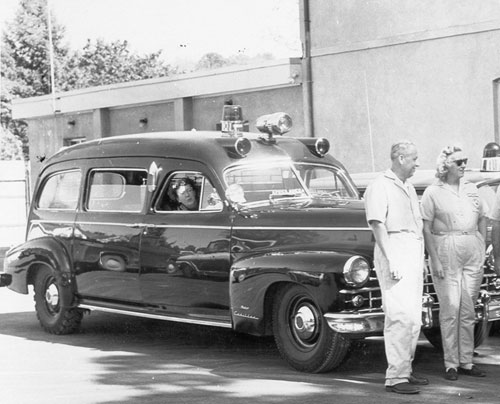
Premodern EMS response was more limited in its life-saving capacity. While ostensibly an ambulance, this vehicle just as often doubled as a hearse. Source: Wikimedia Commons
Early EMS workers were drivers with little training who, according to Smithsonian Magazine, existed as part of “a jumble of unregulated services operated by hospitals, police and fire departments, and funeral homes.” The first EMS response that looked more like our’s today—in which the person who arrives to escort you to a hospital in the midst of your medical emergency is also trained to triage your injury and provide some degree of appropriate treatment—was the nonprofit Freedom House, a primarily woman- and Black-led service designed to fill care gaps in segregated Pittsburgh in the 1960s. The staff of the Freedom House received formalized training in medical response, which, as it turns out, helped a lot with their ability to save lives: a 1972 study mentioned in a history of Freedom House by Time found that staff of the nonprofit demonstrated sound medical judgement and action 89% of the time, as opposed to the police (38% of the time) and volunteer ambulance services (13% of the time). The organization has been credited with saving at least 200 lives in its short seven-year existence.
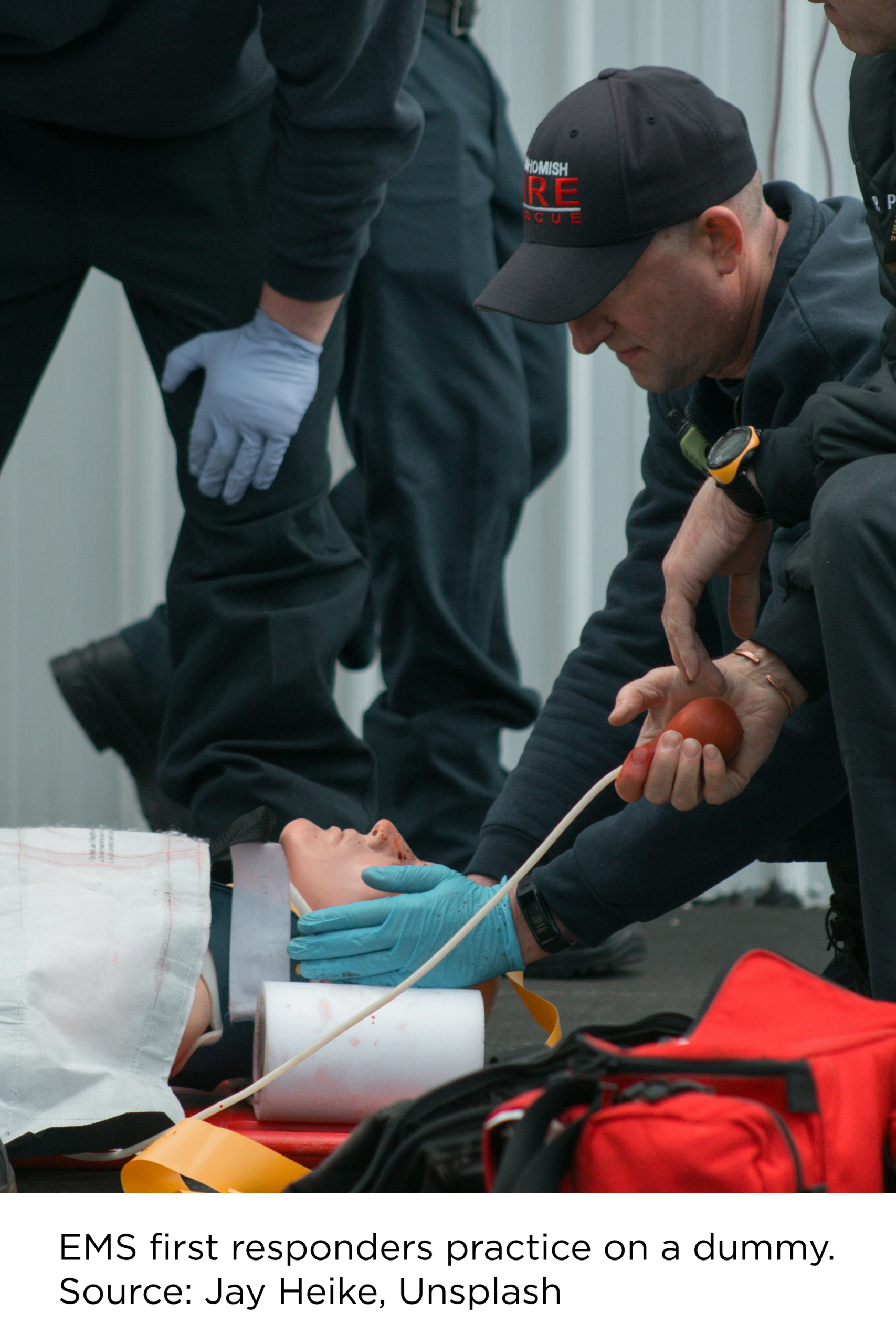 In the current American healthcare ecosystem, first-response EMS services are largely provided by private companies, by hospitals, or by municipal departments distinct from transportation services, such as public health, fire, or police. Dispossessing transportation planners and engineers of the responsibility to provide quality EMS makes sense at first blush: when the point of EMS is to administer lifesaving care, it’s better to leave the coordination of this service to the doctors, healthcare professionals, and scientists who know what the best practices are for saving lives. Yet relegating EMS to the custody of the healthcare sector has meant that most of its innovations have concerned the quality and kinds of medical care EMS staff can provide, not how the transportation system can facilitate a speedier response.
Instead, many transportation practitioners have seen and continue to see their role in post-crash care as limited to the tasks of traffic incident management (TIM): clearing the road of any crash debris, keeping traffic moving in the immediate aftermath, working to restore traffic to its normal flow, and preventing additional crashes from occurring. Facilitating the actual emergency response for the people involved in the crash, however, is a responsibility largely consigned to other authorities despite the fact that it is clearly a medical problem and a transportation problem, because those authorities have to be able to use the roadway network to reach the crash. Transportation agencies do not control hospitals, trauma care, or EMS training, but they do influence how quickly emergency responders can reach a crash scene, how reliably roadways connect to communities of care, and how accessible lifesaving services are across different parts of a transportation network. Still, agencies have historically struggled to step in and contribute to post-crash care, in part because even those who study EMS response don’t always agree on what’s needed.
The Difficulties of Integrating Transportation into Post-Crash Care
In literature written by EMS experts, no one disagrees with the proposition that a prompter medical response is more desirable than a slower one when it comes to trauma recovery. Roadways—their placement, design, and operations—can play a determinative role in the ability of EMS officials to quickly respond to victims of crashes. These ideas check out as common sense.
Yet aside from these easy-to-make statements, there’s a surprising lack of consensus around which variables most influence success or failure in an EMS response, or, for that matter, around what an EMS “response” even is. Perhaps most surprisingly, while promptness is desired, it’s not clear how helpful it is.
Over the course of many attempts to sort through the murkiness of EMS responses into something resembling evidence-backed best practices, the people who perform and/or study first response have relied on some basic concepts. There’s a general consensus that a “response” is composed of several “intervals,” which when added together give you “total response time.” But entities define their response intervals differently.
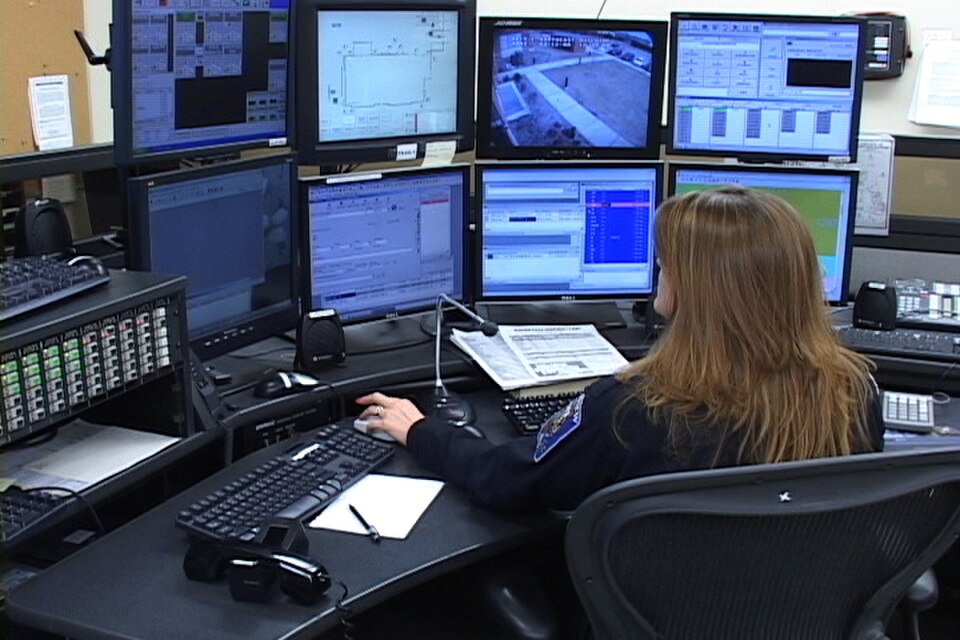
A 911 call center. Some authorities think an EMS “response” begins with a call to someone at a center like this; many others disagree. Source: Wikimedia Commons
An old study from 1999 found that 11% of ground-based EMS agencies surveyed defined the first “interval” of a response—that is, when the stopwatch measuring total response time begins running—as starting when a call to 911 is first placed, presumably either by someone involved in the crash or by someone who comes upon the crash after the fact. Of these same agencies, 23% define the first interval of a response as starting when 911 transfers a call to an area dispatch; another 56% of agencies define it as starting when area dispatch notifies the EMS unit that will actually travel to the crash site and administer care. Since this study, differences in definition have continued to persist, and in some cases have widened.
The National Fire Protection Association (NFPA) breaks down “response” time into three intervals.
- The first, “alarm processing time,” starts when 911 transfers the call to an area dispatcher and ends when the dispatcher notifies the responding unit that will actually travel to the scene.
- “Turnout time” picks up where the first interval left off, beginning when the responding unit receives the notification of the job and ending when their vehicle pulls out of the station.
- Finally, “Travel time” is just that; the time that elapses between departure and arrival at the scene.
FHWA’s NEMSIS data dictionary divides an entire EMS “encounter” into sixteen intervals, but considers intervals three through six—from the point when the responding unit is notified by dispatch to the point when they arrive at the scene—as the “Unit Response Time.” The Kansas Department of Transportation breaks down EMS response into four intervals, the first of which starts when the crash occurs.
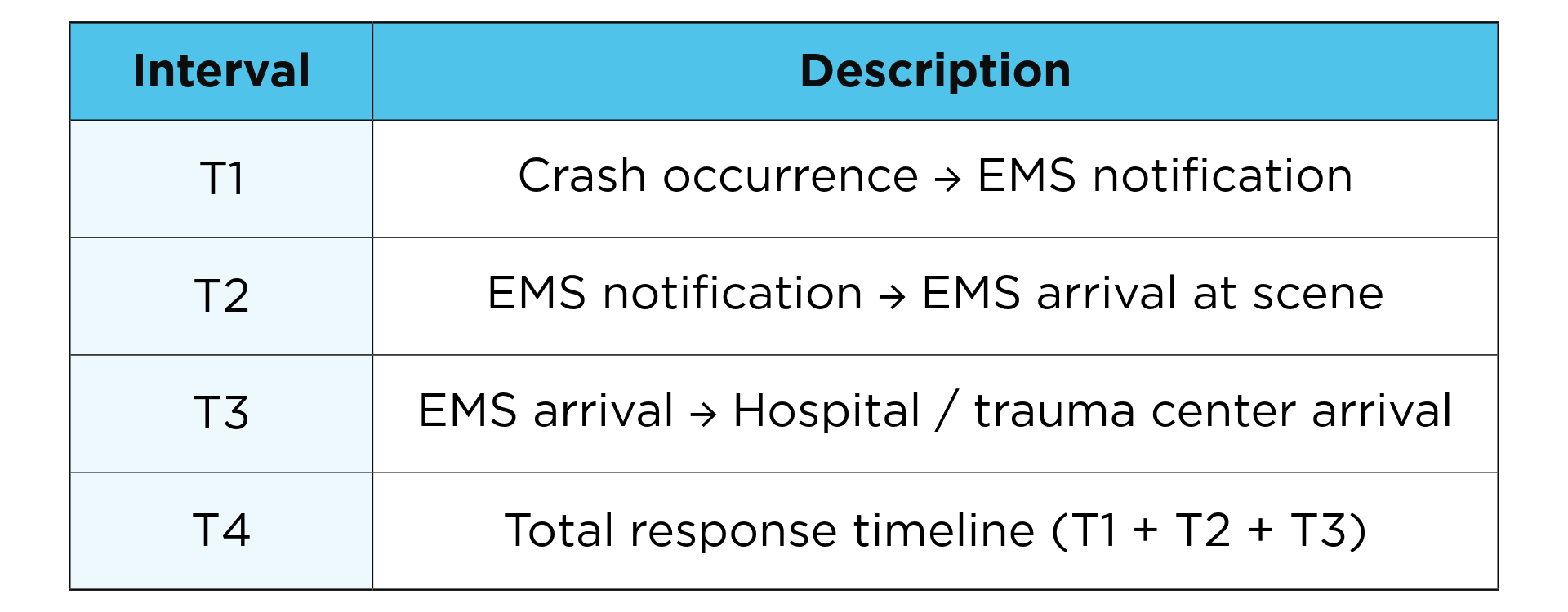
An example of how Kansas DOT breaks down EMS response into different intervals.
These differences between these intervals matter, as does response time more broadly, because of the widely held belief in the concept of the “Golden Hour,” or the idea that what happens within the first 60 minutes of major bodily trauma is the most determinative of the final medical outcome. The Golden Hour was first defined in the 1960s by a doctor at the University of Maryland and has been central to EMS response in the ensuing decades. Importantly, the concept has informed the expectation that EMS response must arrive at the scene within the first “Platinum 10 Minutes” (even here there’s a lack of agreement—multiple studies cited a platinum eight minutes). Yet the Golden Hour has been increasingly doubted, caveated, and dismissed. A 2008 study could prove no connection between “out of hospital” time and survivability. A 2010 study focused on North American EMS services also failed to prove a connection. A 2025 meta-study from the University of Cambridge found no clear indication that the time that elapsed between a crash and EMS response played a more important role than various other factors in determining outcome. This same study also concluded that EMS services across the globe almost never achieve response times within the platinum window.
Other studies suggest that timely responses are important but disagree on how timely those responses need to be: one study suggests there’s meaningful value in responding within four minutes; another suggests that severe crashes don’t experience their first consequential decrease in survivability until the seven-minute mark. (In either case, responding by eight or 10 minutes would be too late.) This latter study, a recent 2026 publication, most confidently reaffirmed the presence of a basic relationship between fast EMS response and survivability, and even it had to offer its own caveats: the relationship was clearest in cases of most profound trauma, and injury severity remained above timeliness as the “dominant predictor” of fatality. One of the earlier dissenting studies found that taking the most expedient route to the nearest medical center might be a less effective EMS decision than taking a longer route to a medical center that specializes in trauma; another seconded this notion.
The majority of these studies noted the need to work mightily to safeguard their data against confounding influences. One confounding phenomenon—triage bias—is especially pernicious. In this phenomenon, the tendency of EMTs to respond faster to more severe crashes combines with the fact that more severe crashes have a significantly higher likelihood of fatality to make it look like slower response times actually benefit crash victims. Despite their best efforts, almost all of the studies cautioned that their ability to account for this bias was limited. Several of the studies we reviewed wondered if it would ever be possible to prove an association between response time and medical outcome. There is a futility apparent even on the surface of these studies: if time is of the essence—the proposition allegedly being tested by these researchers—then it makes little sense to start timing a response at any point other than immediately after the crash occurs, as Kansas DOT does. Yet this approach would render the majority of samples used in the above studies as irrelevant. If we hold data to this logical standard, it’s plausible that there’s virtually no accurate data on responses to rural crashes, which often occur without any witnesses.
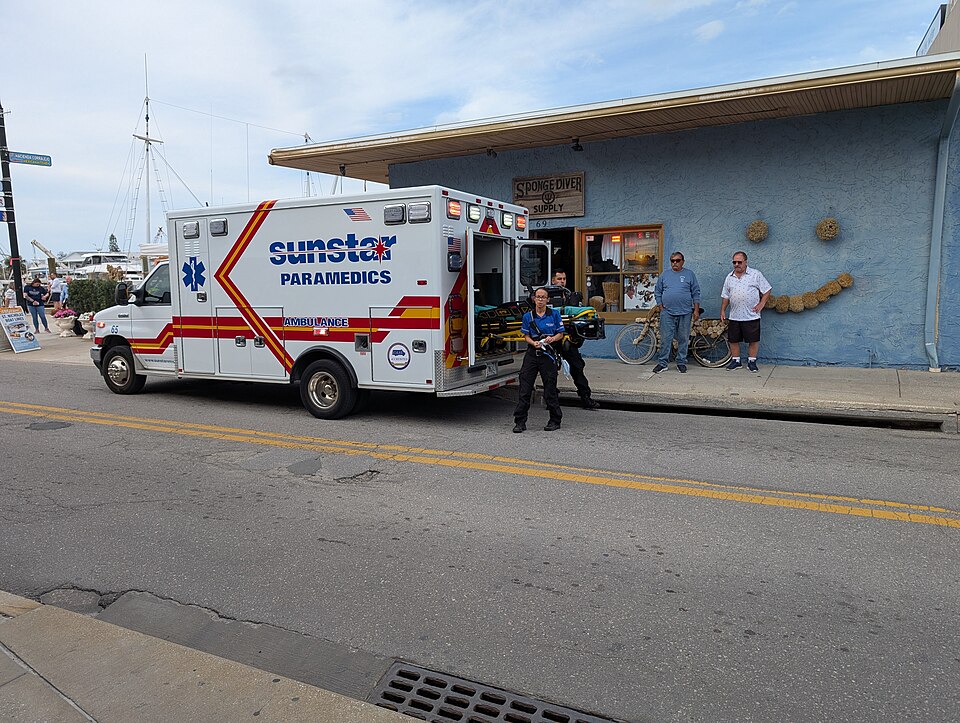
In the U.S., EMS services are operated by entities outside the domain of transportation, as is the case with this privately employed paramedic team in Pinellas County, FL. Source: Wikimedia Commons
By highlighting the ambiguities of crash analysis, these studies remind us that crashes are fundamentally human—another tenet of the SSA—and that to be human is to operate without a single cause. Even a relatively straightforward crash (and its ensuing response) is begotten from a huge array of distinct but interlocking factors, including weather, time of day, land use, psychology, biology, age, overall health, injury type, injury severity, and even happenstances like the skill of the doctors at the trauma center the ambulance delivers you to. A crash may occur because of all of these variables or only some of them, and the degree to which a variable bears direct causal responsibility can grow or shrink between crashes. The context in which the crash occurred may become unknowable by the time anyone does anything about it anyway.
We firmly believe in the power and promise of research and data. Dedicated research efforts are giving us advancements in the present tense that can potentially address the hardest unknowns of EMS response: the increasing prevalence of connected vehicles, for instance, can help to eliminate the mystery of exactly when a crash occurred. But it is also important to remember that data is not a silver bullet. We don’t want the research here to cloud what one study refers to as the teleological truth of the issue: that “no one would argue an individual should be left bleeding on the streets for an extended period of time.” The complexities of crashes and EMS response mean it’s always possible for transportation practitioners to shift responsibility onto another actor within the process, and historically this is what the American transportation industry has done by relying on the healthcare ecosystem to cover the logistics of response.
If crashes and responses are hugely complicated events that arise from variables that stretch across several disciplines, then it makes sense for each of those disciplines to contribute to the larger project of improving EMS. Interestingly, despite the wide range of definitions of response intervals, virtually every authority we reviewed defined the EMS unit’s trip from its station to the crash site as a discrete interval of its own. This suggests that, for every EMS provider, there is a step in their response that is entirely transportation. There’s potential for transportation practitioners to make meaningful contributions here by focusing on developing and proliferating best practices to shorten this window. Recently, we were honored to help one state department of transportation do just that by mapping the accessibility of every one of their roads, no matter how remote, to EMS services.
PennDOT EMS Travel Time Study
In 2024–2026, we partnered with Michael Baker International to conduct an EMS Travel Time Study for the Pennsylvania Department of Transportation (PennDOT). This project was borne out of PennDOT’s desire to understand where EMS response times are the longest and to assume a greater responsibility for post-crash care.
Pennsylvania’s rural roads were calculated to have some of the longest EMS response times. This could be because rural environments present a special challenge to EMS response. Rural roads often have higher speeds and, in the case of lesser traveled rural roads, fewer safety countermeasures. As a result, when crashes occur in these environments, they’re likelier to be more severe and require post-crash care. (While only a handful of crashes might occur on these roads each year, their fatality rate is disproportionately high.) Additionally, these locations are by definition remote and more sparsely traveled, meaning they’re further from ambulance stations and can be reached via fewer routes—in some cases, maybe only by one. It also means that more time tends to elapse between when a person is involved in a crash and when another individual comes along to report it. Finally, rural roadway crashes tend to be widely dispersed along an area’s entire rural roadway network, whereas crashes in urban environments tend to be concentrated to a specific spot (like at a problem intersection). It’s harder to prioritize a location for safety improvements when a crash is approximately equally likely to occur anywhere.
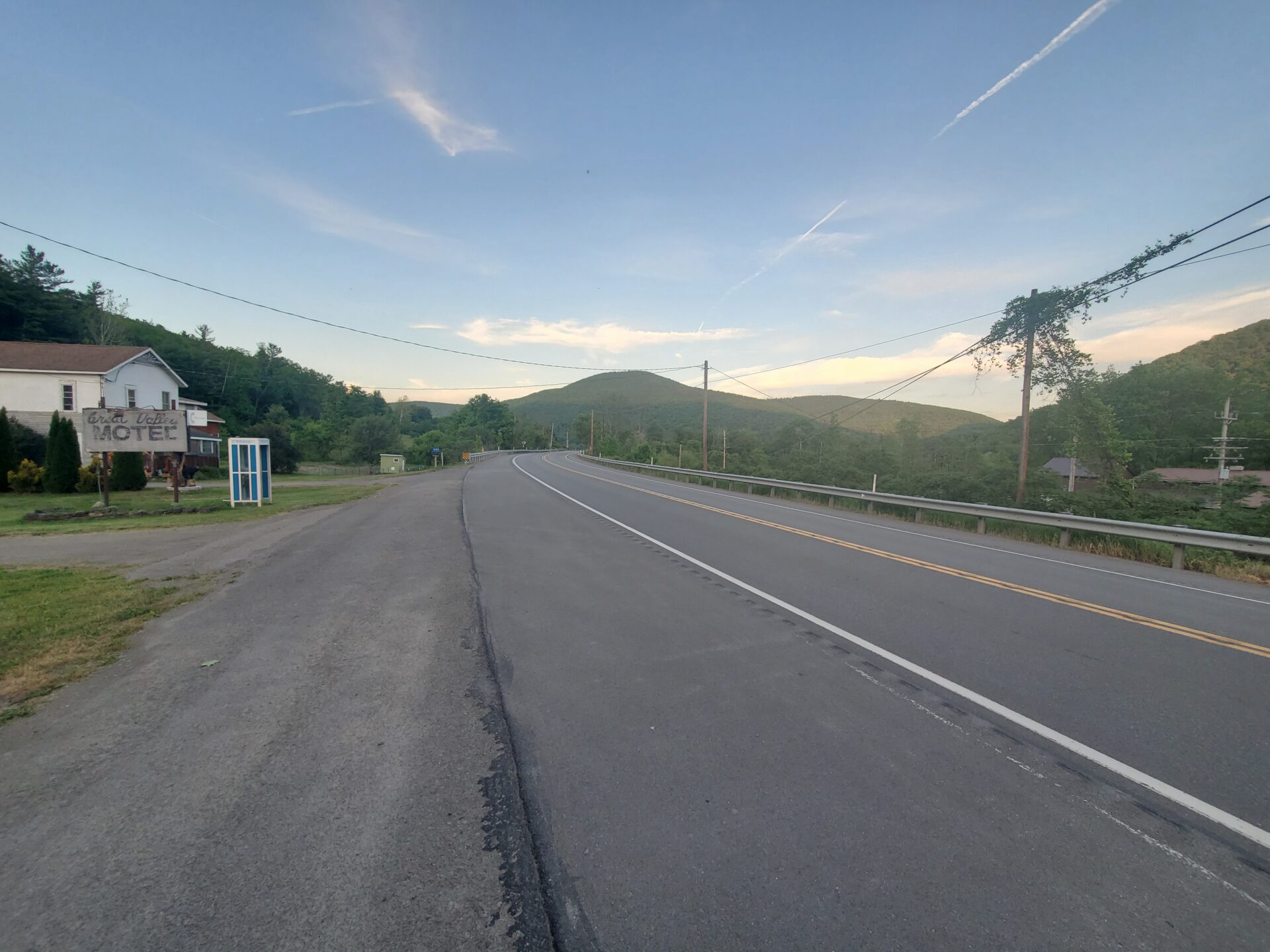
Rural roads often present the greatest challenge to EMS response times. Source: Kittelson & Associates, Inc.
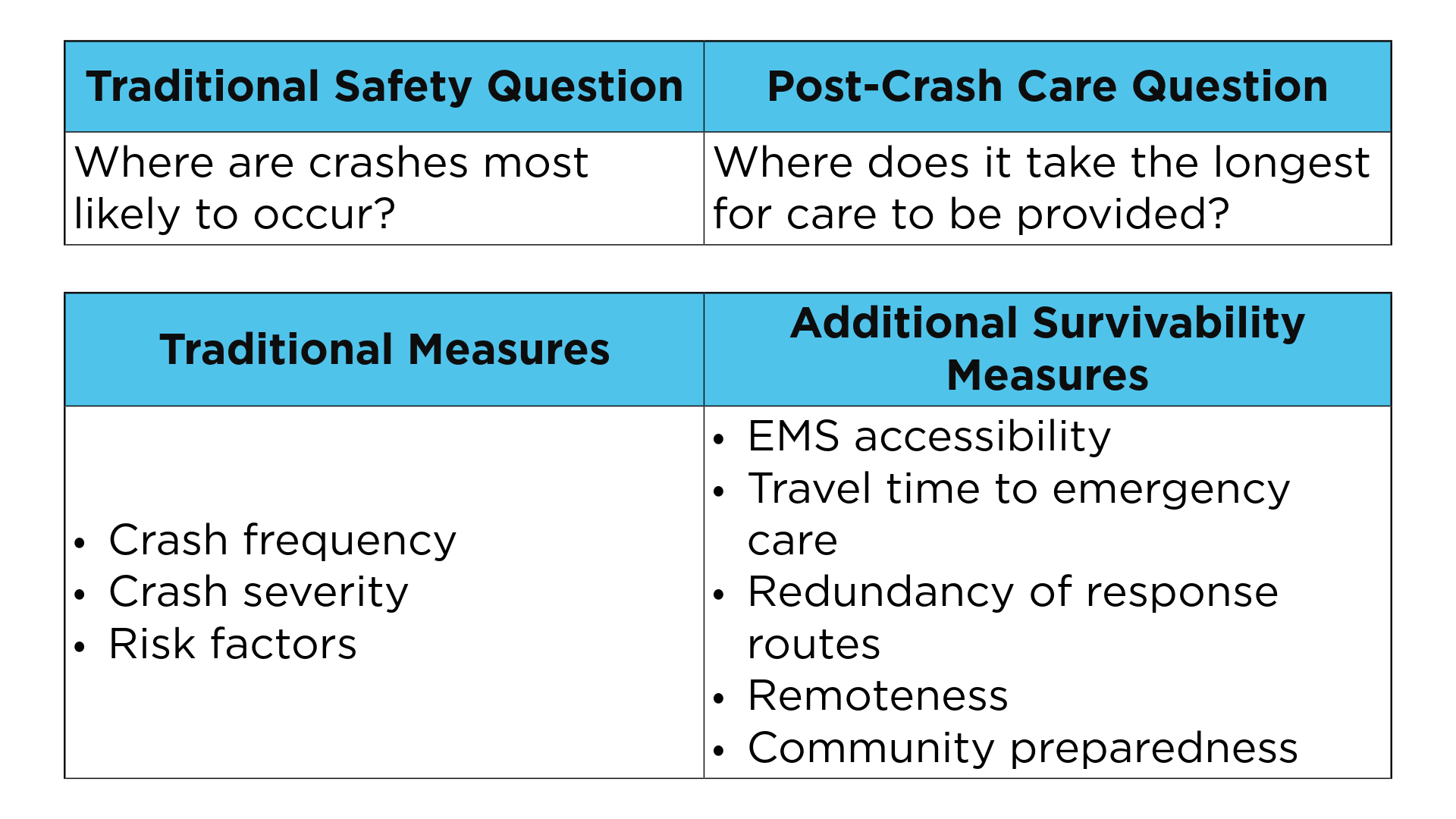
Whereas most transportation safety analyses aim to understand where in a roadway network crashes are likeliest to occur—either because a location has a demonstrated history of crashes or because it has a cluster of design features correlated with greater crash frequency and severity (think High Injury Networks)—this safety analysis analyzed data to discover how quickly emergency care services can reach the site of a crash.
Because EMS records of how long previous responses have taken wasn’t available, we calculated how long a response would take to reach different roadway segments. To do this, we worked alongside the project prime to establish an informational foundation that stretched outside the conventional bounds of the discipline, identifying and coordinating with ambulance stations throughout the state to get a lived-in understanding of the routes and transportation procedures ambulance drivers rely on when responding to emergencies.
Eventually, we settled on using a 15-minute response time as the threshold for a “long” response. This 15-minute threshold was a project-specific planning threshold supported by literature and local stakeholder input; it doesn’t represent a universal clinical standard. Of those 15 minutes, it was assumed four minutes were for the various stages leading up to dispatch. Then, we incorporated the findings from our outreach into modeling that mapped EMS travel time to state and local roadway segments across Pennsylvania. The modeling identified roadway segments where predicted response exceeded the 15-minute threshold.
With these locations identified, we then deliberated over how to produce actionable insights for PennDOT. By filtering the locations by their crash history and excess crash cost, we were able to produce a prioritized list of 200 segments of State-maintained roadway that would benefit the most from safety countermeasures that decrease the likelihood of a fatal or severe injury crash. We also identified rural communities that relied on any combination of 5,000 long-response-time segments for increased community outreach and preparedness efforts. These outreach efforts, which could look like greater community education on careers in EMS, can create culture shift over a longer timeline. For now, this project demonstrates that emergency accessibility can be analyzed with transportation tools such as GIS and network modeling. It also offers an example of how traditional safety risk and post-crash accessibility can be considered together.
Focusing on Survivability in Addition to Risk
Right now, transportation practitioners focus primarily on reducing the risk of a crash happening as their contribution to post-crash care. Reducing risk will remain at the heart of our work; and yet it fundamentally is not post-crash care. That’s why, alongside the work of reducing risk, we’re also interested in finding ways for our roadways to increase the survivability of a crash when it does occur. Our work with PennDOT showed us that a good first step toward this goal is to improve EMS access across the roadway network, and especially in hard-to-reach rural communities.
This work will require a broad shift in the transportation planning mindset when it comes to rural corridor planning. We can start by adding to what High Injury Networks measure in community Safety Action Plans. By developing High Injury Networks that measure not just the risk factors of various roads throughout a network but also the way access from an EMS station (or to a trauma center) changes throughout the network, practitioners can build survivability into these maps and help decision-makers visualize the corners of a network that are hardest to reach in an emergency.
Amidst Uncertainty, a Practical Next Step
For post-crash care to become a co-equal element of the Safe System Approach in practice, transportation practitioners need to acknowledge the way in which it is an issue of equitable access as much as it is a healthcare issue. We also need to take greater ownership of the aspects of the response process that we can influence while remembering that no one authority can improve the response to something as complex as a crash alone; we are all, at the end of the day, responsible for working together to try to get our arms around EMS response despite its many unknowns.
We can also make a positive impact by inviting individuals to take greater responsibility for post-crash care, as well. Very often it’s a community member who is the true first responder at a crash site. Stop the Bleed is a nonprofit offering courses to individuals and communities on basic lifesaving measures, from how to use a tourniquet to what to do when you see a bleeding victim.
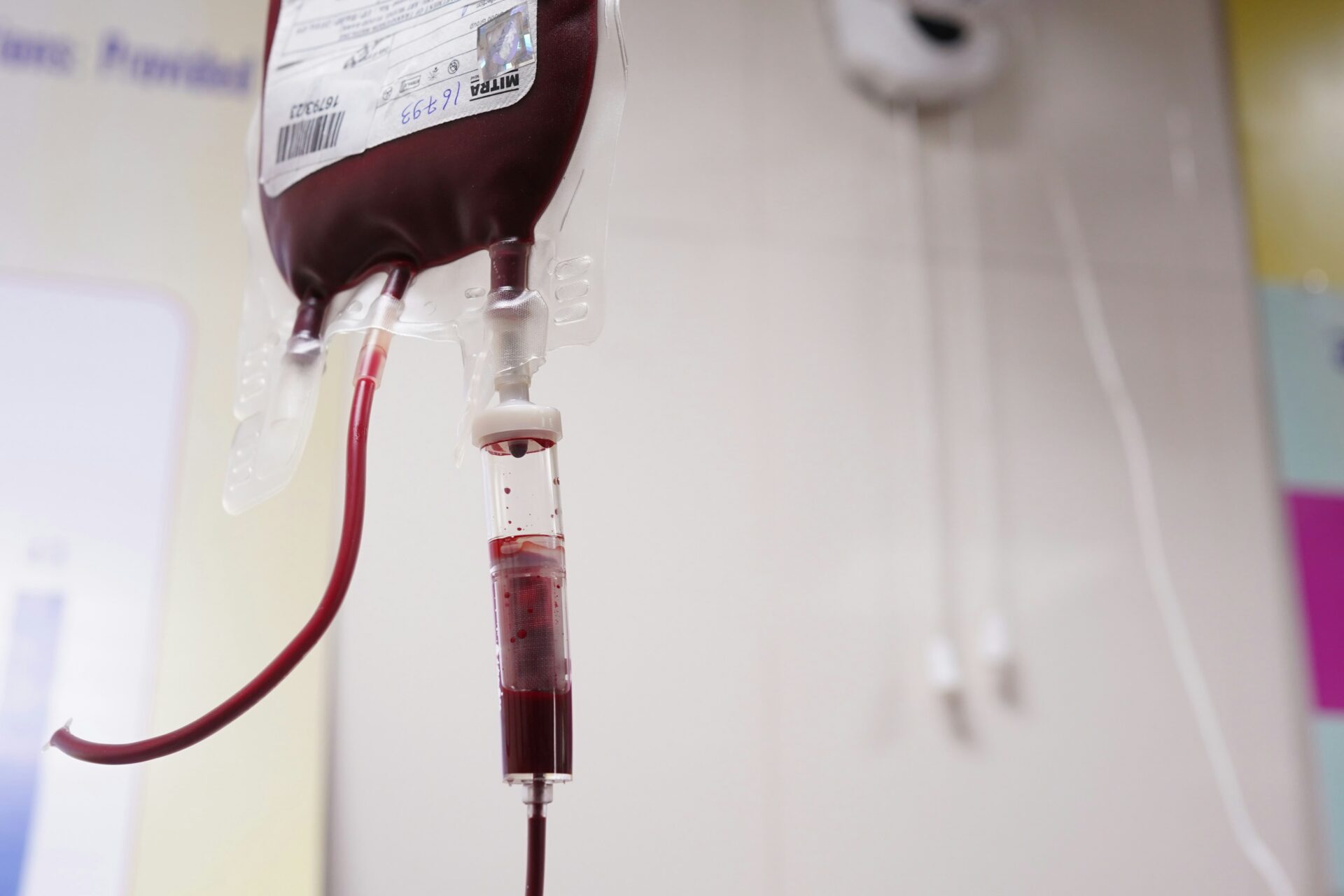
EMS is growing more sophisticated, with on-scene blood transfusions offering additional promise. But everyday people can help systematize post-crash care, too. Source: Aman Chaturvedi, Unsplash
By working to mainstream these basic lifesaving skills within communities, we connect past to present: equipping volunteers with training was the very innovation Freedom House used to propel EMS into modernity, but on a scale that means the public becomes one more layer of redundant protection in the Safe System Approach.
Going forward, we’re going to be thinking much more about how to change the way transportation officials and the public see themselves as fitting into post-crash care. Thanks for sticking with this long read! Reach out to Nikhil or Pete to further discuss the challenges, and opportunities awaiting us in post-crash care.