
August 26, 2026

As we approach the start of another school year and families set up new schedules—including how their kids will get to school, and who will take them—Safe Routes to School is on the minds of many transportation professionals. Safe Routes to School programs help create safer, more comfortable environments for students to walk, bike, roll, or take transit to school. Naturally, they often focus on roadway or intersection improvements close to school campuses, since these are the areas that most or all students will travel through.
But of course, a trip to school doesn’t begin at the crosswalk by campus; it begins the moment a student steps outside their front door, backpack bouncing. The residential streets that connect houses and apartment buildings to sidewalks, bike routes, bus stops, and school entrances define much of the commute experience: the corner where you meet up with a friend; the busy street that means you’re not allowed to bike; the house where the dog always barks from behind the fence; the stop sign where you sit, buckled and fidgeting, behind a long row of cars. This is the daily routine that becomes as much a part of attending school as the thrill of correctly answering a question or playing on the monkey bars during recess.
A trip to school begins the moment a student steps outside their front door.
That is why neighborhood slow zone programs, which consider the broader neighborhood network students travel through every day, can be a powerful complement to a Safe Routes to School strategy. With school commutes as the backdrop (though the safety benefits of slower streets extend far beyond this specific type of journey), let’s dive into how neighborhood slow zones work and what it takes to make them work.

Neighborhood slow zone programs can be a powerful complement to a Safe Routes to School strategy. Source: Note Thanun on Unsplash.com.
What Is a Neighborhood Slow Zone?
Neighborhood slow zones are areas (typically made up of lower-volume, residential streets) in which cities apply a coordinated set of traffic-calming and safety treatments to reduce vehicle speeds and speeding related crashes, making the area more comfortable to travel through. The specific definition can vary by community, but the premise is consistent: rather than treating one location at a time, a slow zone applies a systemic approach to neighborhood streets with the goal of slowing drivers down.
This doesn’t necessarily mean that every street within the slow zone receives the exact same treatment. Streets are assigned treatments based on their characteristics; parallel streets of similar sizes and functions could get the same treatments, while streets with community destinations where people are likely to walk might get something different. For example, parallel streets in a neighborhood might all be treated with speed humps, but if one of those streets has a park, a speed hump might be exchanged for a raised crosswalk. Streets on the boundaries of the slow zone might receive gateway treatments that introduce drivers to the slower speed. For example, in Boston, we designed a comma-about to introduce drivers to a slower environment as they transition into it from a wider street.
The area-wide approach can be especially valuable for school travel. A school-front project can certainly improve safety at one point along the route, but students and their families or caregivers typically need to move through an entire neighborhood before they reach campus. Additionally, a “spot treatment” approach might just shift the safety issue a block or two over. A neighborhood slow zone can help avoid this pitfall by examining how to create a consistently low-speed environment across the entire area.
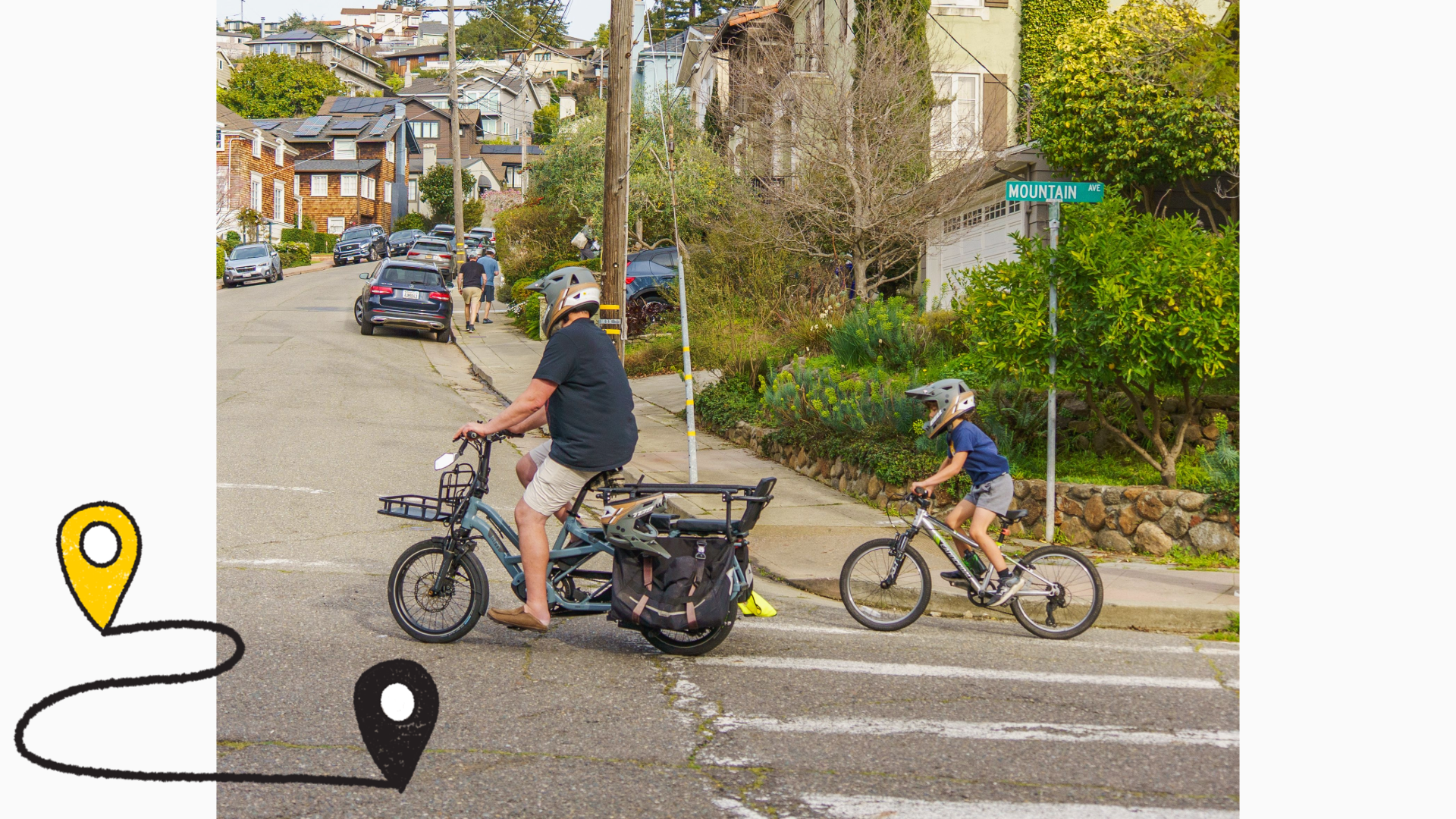
Students and their families or caregivers typically need to move through an entire neighborhood before they reach campus. Source: Robert So on Pexels.com.
Why Progress Toward Slow Streets Can Be… Slow
So what’s the catch? Why not just post lower speed limits in residential areas and call it a day?
Like many other transportation ideals, slow zones are an idea that’s easier to support in theory than practice. Slow zones affect how people drive, park, travel through neighborhoods, and maintain streets. While they may draw support from residents who want calmer streets, they tend to ignite frustration in people who travel through and worry most about access and delay. Think the daily car commuter who’s impatient to get home after a long stop-and-go commute, or the driver who relies on their “shortcut” through a residential area to bypass a busy intersection.
Research also shows that simply changing the speed limit doesn’t tend to do the trick. In its discussion of countermeasure effectiveness, the National Highway Traffic Safety Administration notes that reducing speed limits (without altering the characteristics of the roadway) has a limited effect on travel speed for several reasons, including drivers disagreeing with the lower speed, speeding out of habit, or paying more attention to other drivers’ speeds than the posted legal limit.
It takes more than a different number on a sign to make neighborhood streets truly hospitable to the parent walking their kids to school or the third-grader pedaling behind their classmates. Community buy-in, good design, proactive partnerships, and a willingness to adjust are all essential ingredients in the recipe.
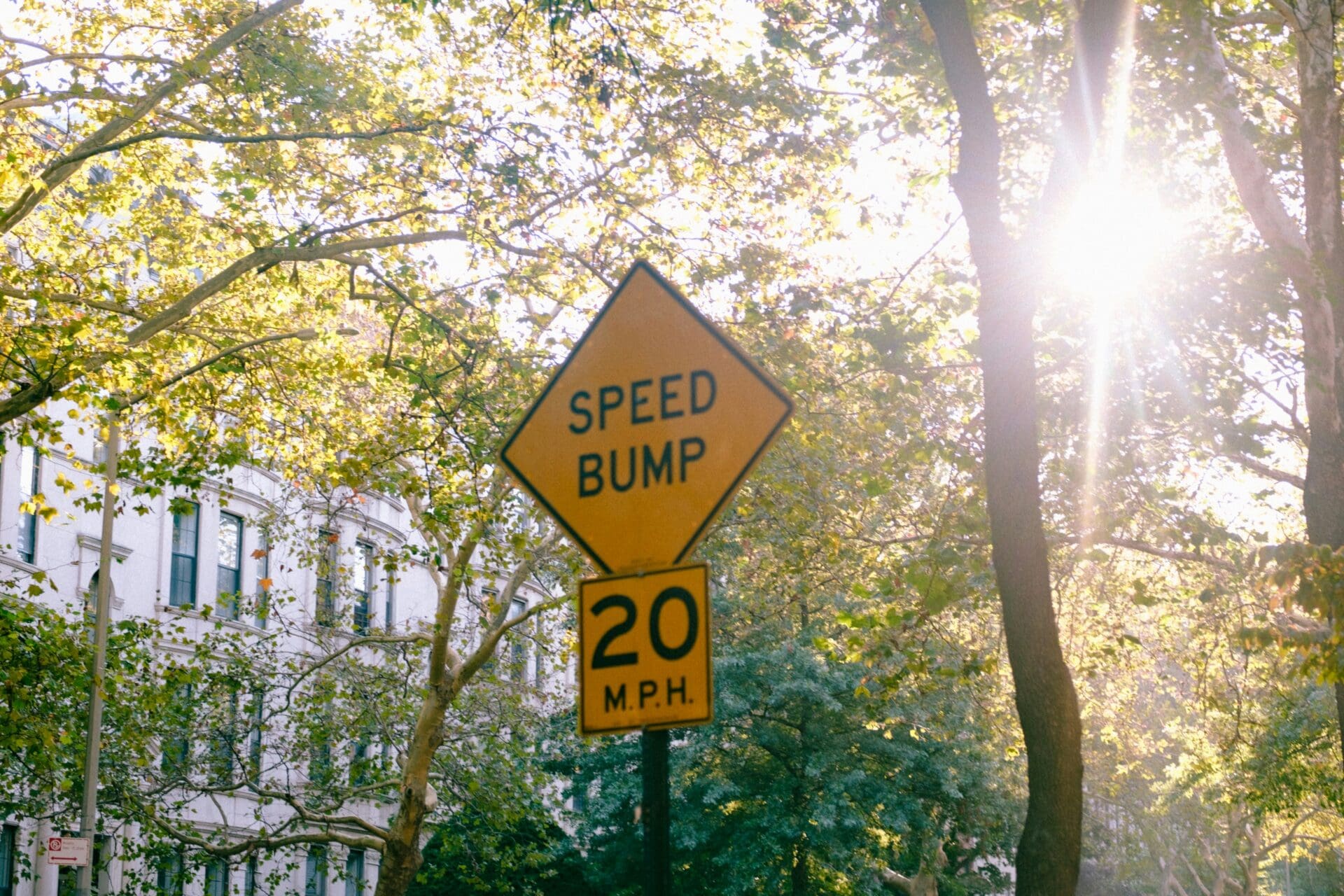
Putting a different number on a sign has limited effect on travel speed. There’s more to the recipe. Source: Ashe Walker on Unsplash.com.
From Good Intentions to Slower Speeds: 5 Proven Traffic-Calming Strategies
Based on our experience, the following five actions can help get a slow zone out of the agency group chat and into community practice.
1. Connect with the community first and foremost.
A community’s desire to have a stronger transportation safety culture—and their belief that managed speeds are the way to get there—must be the foundation of a sustainable slow streets effort. When opposition comes, the strength of residents’ support plays a massive role in how the project makes it through. Understanding what the community wants and then connecting proposed project outcomes to this desire is essential legwork that will provide needed clarity in decision-making and pay dividends when encountering project hurdles.
For example, a survey for a slow street project on Lake Street in San Francisco showed the idea was polarizing, but 83.5% of respondents who lived on Lake Street supported at least one slow street proposal (compared to more divided feedback from the broader neighborhood). SFMTA used that information to demonstrate project support from the people who were most impacted by the street’s speeds: its residents. In 2022, Lake Street was approved as one of 16 initial corridors in the San Francisco’s Slow Streets program.
2. Start with a strong example.
What if community members aren’t showing strong support for slower streets? Or what if they want certain safety outcomes but aren’t convinced that reducing travel speeds can get them there? Several agencies have found value in developing a program’s first slow zone in a neighborhood where there is clear and expressed interest. A pilot or demonstration project can give residents, elected officials, and agency staff a tangible example of what a slow zone looks like and how it functions. It can also create an opportunity to collect before-and-after data and hear directly from people who use the street every day. Some cities, like Oakland, California, have programs through which groups of residents can express interest through applying for transportation safety projects.
Of course, neighborhoods expressing interest should not be the only ones that get slow streets investments. Agencies that rely on requests from neighborhoods with the most organized advocates will inadvertently steer investment toward places that already have more resources. A strong early example can build confidence, then over time, programs may benefit from pairing community interest with a data-driven prioritization process that considers safety needs, neighborhood context, and historic underinvestment.
3. Design the streets for the speed you want.
As we mentioned earlier, speed limit signs alone rarely create the conditions for slower speeds. The same is true for slow street signage, though it can spark a feeling of community support for the movement. The most effective slow zone programs pair policy and messaging with physical changes to the roadway that naturally enforce slower driving speeds. In other words, the goal is not just to tell drivers to drive more slowly or convince them they should, but to design streets that encourage and reinforce the behavior of slower travel speeds.
Physical roadway treatments can include speed humps, raised crosswalks, curb extensions, traffic circles, chicanes, pedestrian refuge islands, daylighting, and high-visibility crossings. Each tool works differently. Some reduce speeds through vertical or horizontal deflection. Others improve visibility and shorten crossing distances. The right combination depends on the street, the community’s goals, available funding, maintenance needs, and the people the program is intended to serve.
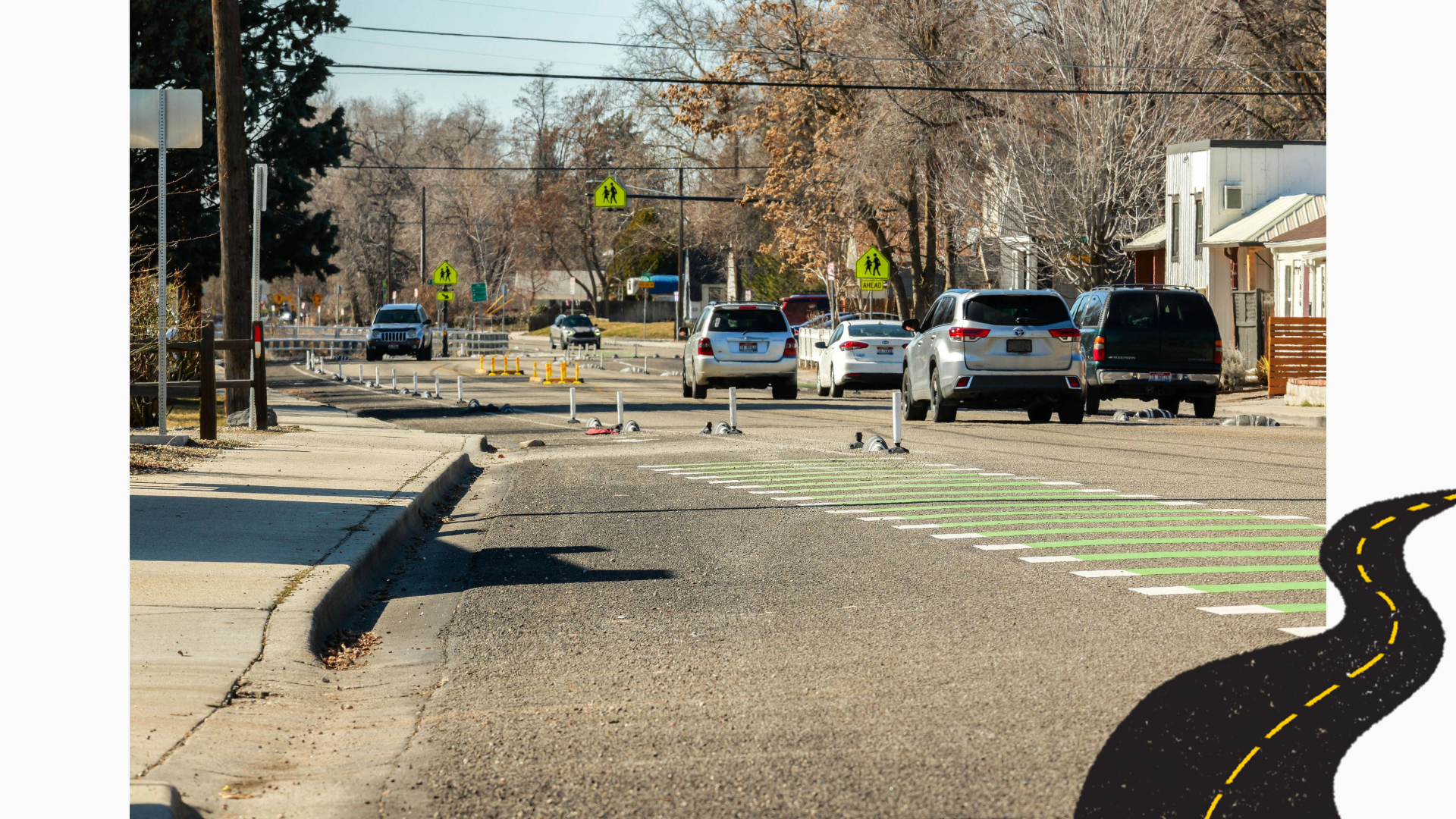
Street design plays an important role in encouraging and reinforcing the behavior of driving more slowly. Source: Kittelson & Associates.
4. Bring maintenance and emergency services into the conversation early.
Slow zone programs are often discussed through the lens of planning, safety, and community engagement, but maintenance departments can be among the most important partners in implementation. Treatments that slow vehicles may also affect maintenance vehicles like snowplows and street sweepers. If those concerns are not addressed early, they can derail a program later by forcing late-stage redesigns, narrowing the set of feasible treatments, increasing costs, or creating enough internal resistance that the project loses momentum. Thus, the maintenance department is a key stakeholder on the municipal side. The same is true for emergency services: a fire crew responding to an emergency in which every second counts does not want to be delayed or rerouted by traffic calming treatments.
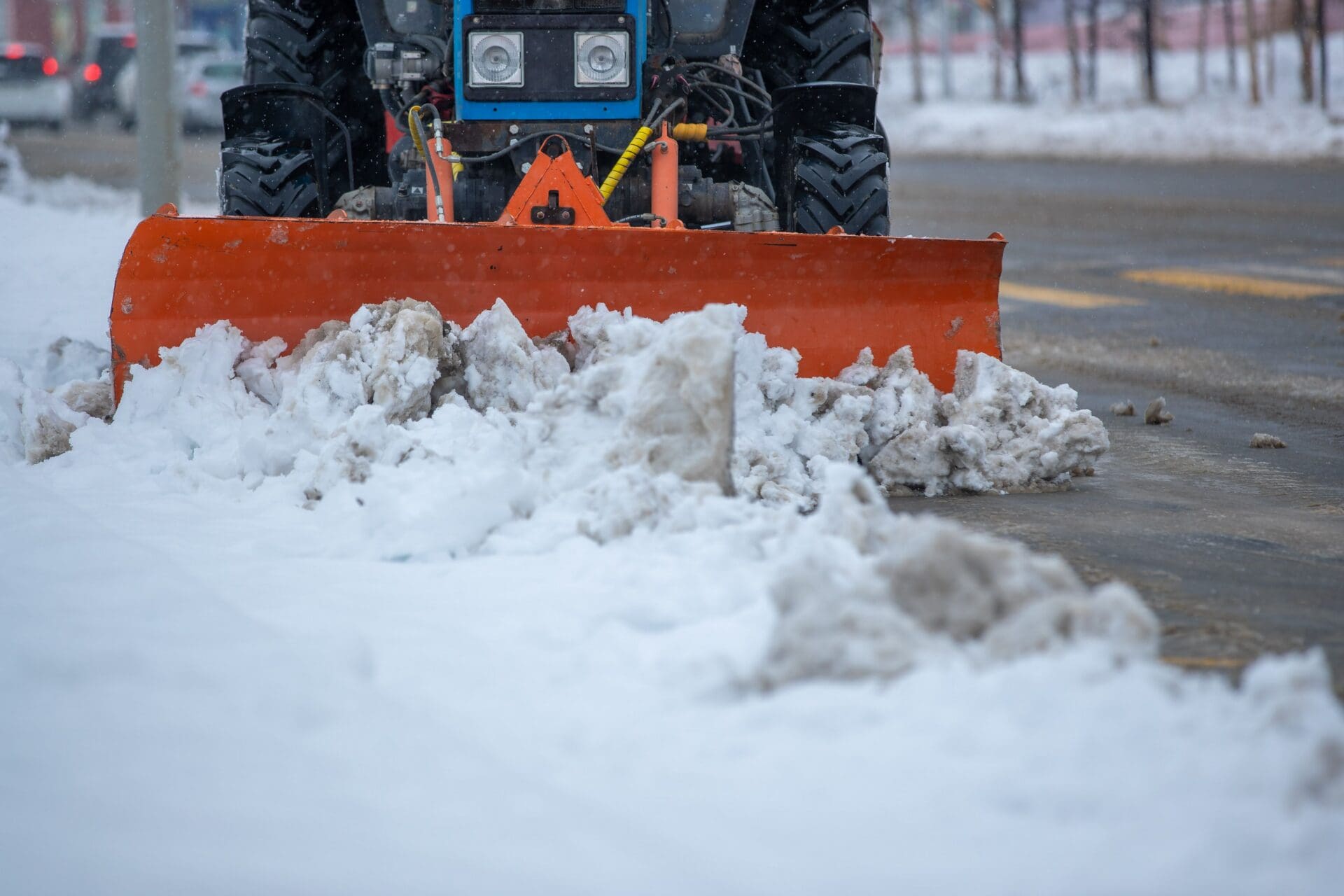
Keep a slow streets project moving forward by engaging with maintenance and emergency services departments early. Source: Sergei Starostin on Pexels.com.
These concerns are legitimate, and the goal is to weigh them alongside the everyday safety needs of students and families. It might require some design adjustments to make sure these experts, and the large vehicles they maneuver, have a practical way to do their jobs. When we zoom out, we’re all trying to prioritize the safety of people, so one of the best things we can do is connect early about how each department is doing that and what they need to be most effective. (Read about this idea in more detail via our article about meaningful collaboration with emergency services.)
5. Be nimble, humble, and responsive to what the data shows.
A slow zone program doesn’t end when the first treatments are installed. In many ways, that’s the beginning! As your attention turns to tracking progress, measuring outcomes—such as vehicle speeds, traffic volumes, walking and biking activity, and community experience—can help agencies understand whether the program is working as intended. If a corridor is not meeting the desired thresholds, the project team should be willing to adjust. For example, in one pilot slow zone, after data showed that drivers were still driving at higher speeds than the target speed of 20 miles per hour, the city responded by adjusting the spacing of speed humps.
Agency responsiveness matters for trust. Slow zones call for behavior change, in some cases asking people to accept what they may perceive as less efficient travel conditions (though driving speed may not impact travel time as much as we think). Communities are more likely to support that change when they can see how decisions are being made, what the program is trying to achieve, and how feedback and data are being used after implementation. A humble approach recognizes every city and every neighborhood is different. There is no one-size-fits-all template that works everywhere.
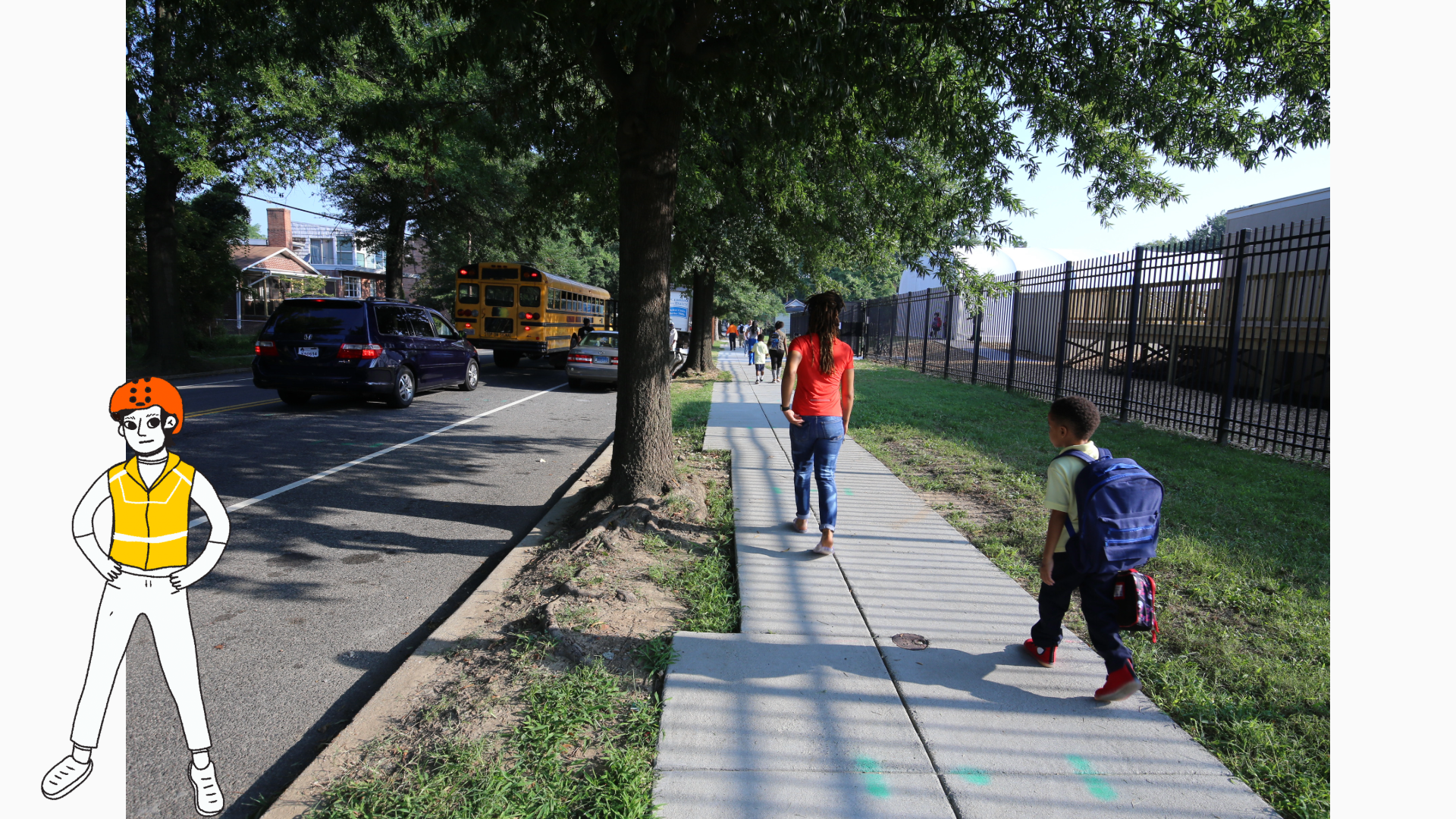
A humble approach recognizes every city and every neighborhood is different. Source: Kittelson & Associates.
Let’s Move More Quickly toward Slower Streets!
The safest school commute is shaped by the residential streets, crossings, and neighborhood choices students encounter along their entire journey to campus. Neighborhood slow zones give communities a way to rethink streets as a connected system and to design them to encourage slower, safer travel as the default. Of course we’re interested in this topic professionally, but for many of us at Kittelson, it’s also personal as we prepare to send our own kids off for their next year of school. If you’d like to talk further about anything we’ve shared here, we’d be delighted to continue the conversation.